10 things you may not know about dog aggression
Here is some information about aggression.
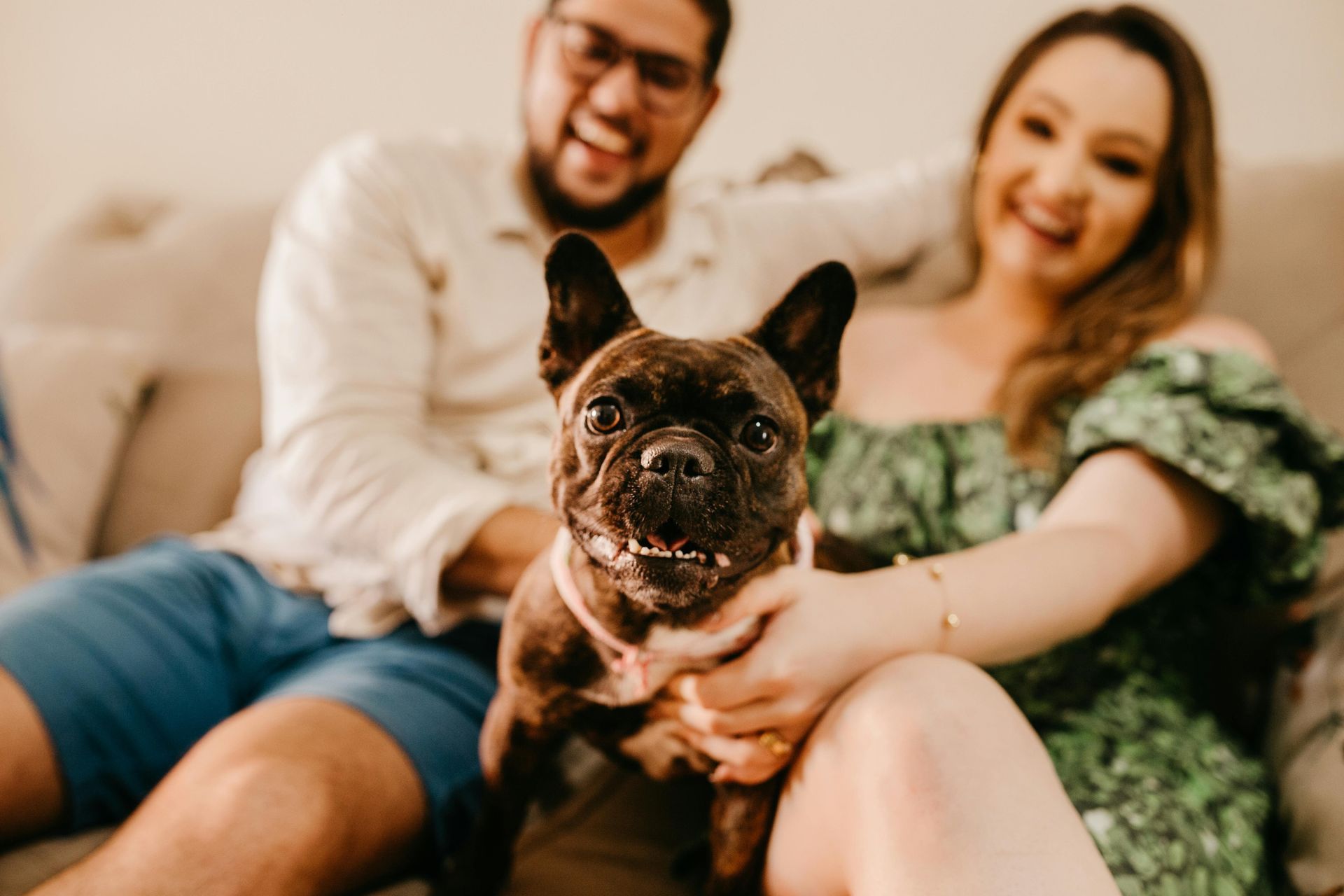
1. Recognising body language signs of communication such as lip licking, yawning and stiffness can help you be able to take steps to prevent behaviours from escalating to biting and snapping.
2. Some dogs if particularly scared (or if behaviours have been punished or suppressed in the past), may skip steps in the ladder of communication.
3. All dogs can show aggression and bite.
4. Thinking about the contexts behaviour happens in is key – does the dog run when a person comes in, but only bite when someone attempts to touch them? Contexts are important to recognise.
5. Predation is not related to threats or resources.
6. Aggressive behaviour is an attempt to worry an individual that they find threatening, can depend on early experiences, past experiences and genetics
7. Certain breeds, because of they way they are designed cannot communicate effectively – Pugs cannot use their tails.
8. The stress response can be shown in 4 different ways: fight, flight, freeze or fidget.
9. Retractable leads do not allow control on a walk
10. Stress and over arousal can affect a dog’s ability to respond to cue’s given
Reference: Denenberg, Sagi, Small Animal Veterinary Psychiatry