Confidence does not always mean competence
Everyone Has an Opinion, But Confidence Doesn't Always Mean Competence

If you've ever faced a challenge with your dog, you'll know there's no shortage of advice. Whether it's well-meaning people in the park, Facebook groups, books, or endless Google searches, it can quickly become overwhelming.
Most of this advice is given with good intentions, but that doesn't mean it's right for your dog. Canine behaviour is complex, and every dog is an individual. There are many different training methods and philosophies, and while some are supported by behavioural science, others are outdated and have long been debunked. Unfortunately, these methods are still widely recommended and can increase fear and anxiety, leaving a dog's nervous system in a constant state of stress.
When One Bad Experience Changes Everything
According to the PDSA Animal Wellbeing (PAW) Report, around 5% of UK dogs—approximately 570,000 dogs—have been bitten by another dog while away from home and required veterinary treatment.
While physical injuries often heal, emotional ones can last much longer.
A frightening encounter can change the way a dog views the world. Instead of seeing other dogs as neutral or friendly, they may begin to view them as potential threats. Fear often leads to behaviours designed to create distance, such as barking, lunging, growling, or snapping.
If a dog is on lead and unable to move away, they may even redirect that fear or frustration towards the nearest object—or sometimes their handler. It's easy to understand why owners in this situation often begin avoiding popular walking spots and feel anxious every time they leave the house.
It's also important to remember that reactivity doesn't have one single cause. Pain, fear, frustration, previous traumatic experiences, lack of appropriate socialisation, or an underlying medical condition can all contribute. Behaviour is communication, not stubbornness or spite.
Why Negative Experiences Leave Such a Lasting Impression
Just as humans tend to remember negative experiences more vividly than positive ones, dogs can too.
Psychologist Rick Hanson famously describes the brain as being "Velcro for the bad and Teflon for the good." From an evolutionary perspective, remembering danger helped our ancestors survive. Dogs appear to develop similar negative associations, particularly following frightening events.
This links closely to the concept of trigger stacking (sometimes called stress stacking). Rather than one event causing a reaction, several smaller stressors build throughout the day until the dog reaches their coping limit.
Those stressors might include:
- Poor sleep
- Pain or discomfort
- Loud noises
- An unexpected encounter with another dog
- Visitors at home
- Veterinary appointments
- A stressful walk
Individually, each may be manageable. Together, they can overwhelm a dog's ability to cope.
This is why owners sometimes say, "He reacted out of nowhere." In reality, the final trigger was simply the last straw.
The Advice That Can Make Things Worse
One of the most common suggestions you may receive is:
"Just let them meet lots of dogs—they'll get over it."
Although it sounds logical, repeatedly exposing a fearful dog to situations they're not emotionally ready for can actually make the fear worse.
This technique is known as flooding.
Flooding forces a dog to remain in the presence of something they fear without giving them the option to move away. While the dog may eventually stop reacting, this doesn't necessarily mean they feel safe.
Social media videos sometimes give the impression that flooding has "fixed" a dog because the dog appears calm and quiet. In reality, what you're often seeing is shutdown behaviour.
The dog has learned that reacting doesn't change the situation, so they stop expressing how they feel—not because they're relaxed, but because they're overwhelmed.
Suppressing behaviour is not the same as changing emotion.
The fear remains beneath the surface and may emerge again later, sometimes more intensely than before.
Learn to Spot the Early Signs
Dogs rarely react without warning.
Long before barking or lunging, they're often showing subtle signs that they're becoming uncomfortable.
Watch for behaviours such as:
- Lip licking when no food is present
- Wrinkling around the muzzle
- Showing the whites of the eyes ("whale eye")
- Turning the head away while keeping the trigger in view
- Freezing
- Raised fur along the back (piloerection)
- A stiff tail that twitches rather than wagging freely
These behaviours are your dog's way of saying they're struggling.
If you notice them, creating more distance from the trigger is often one of the kindest and most effective things you can do.
Building Confidence the Humane Way
Modern behaviour science doesn't focus on forcing dogs to "face their fears."
Instead, it aims to change how they feel about the things that worry them.
Two of the most effective approaches are counterconditioning and desensitisation.
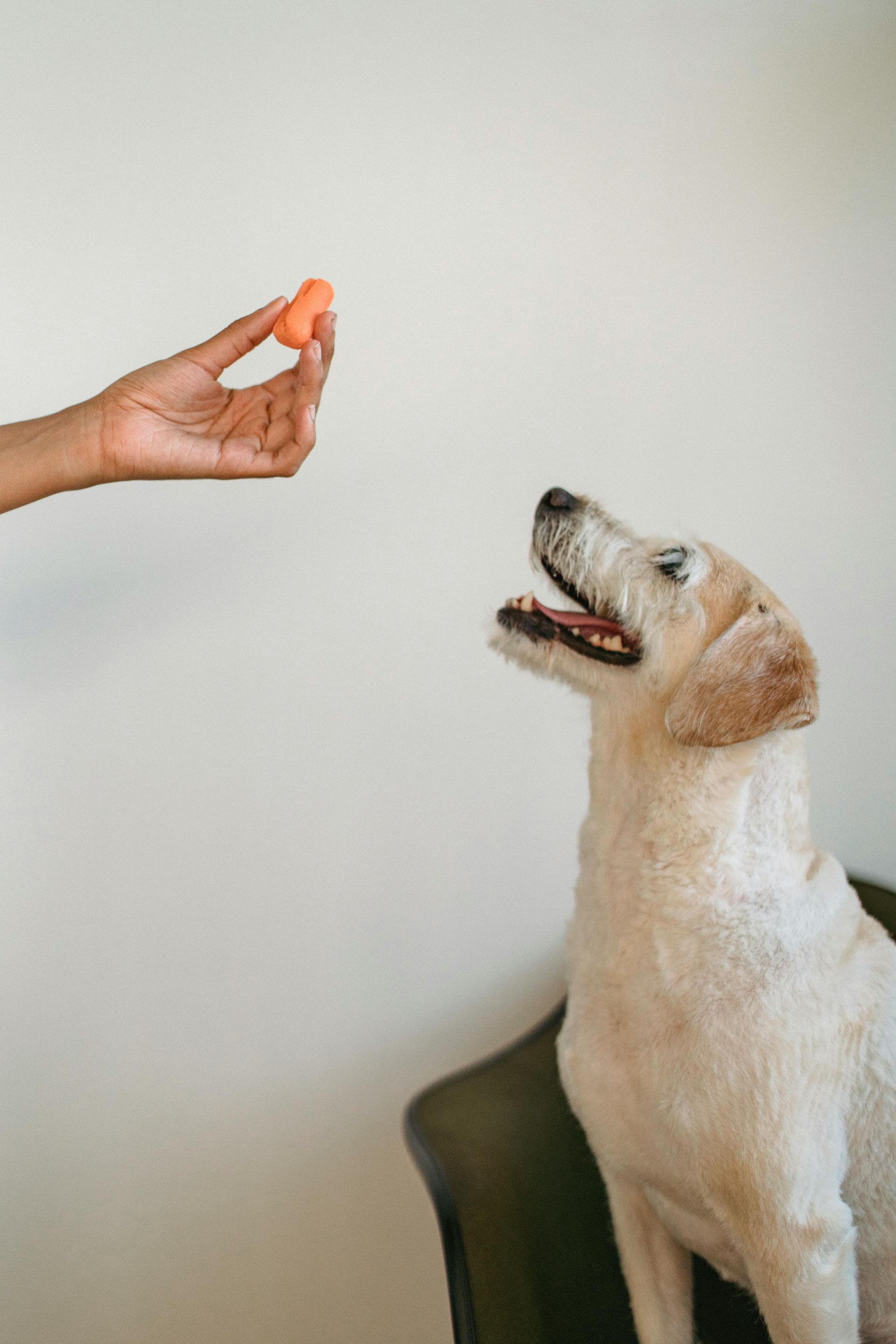
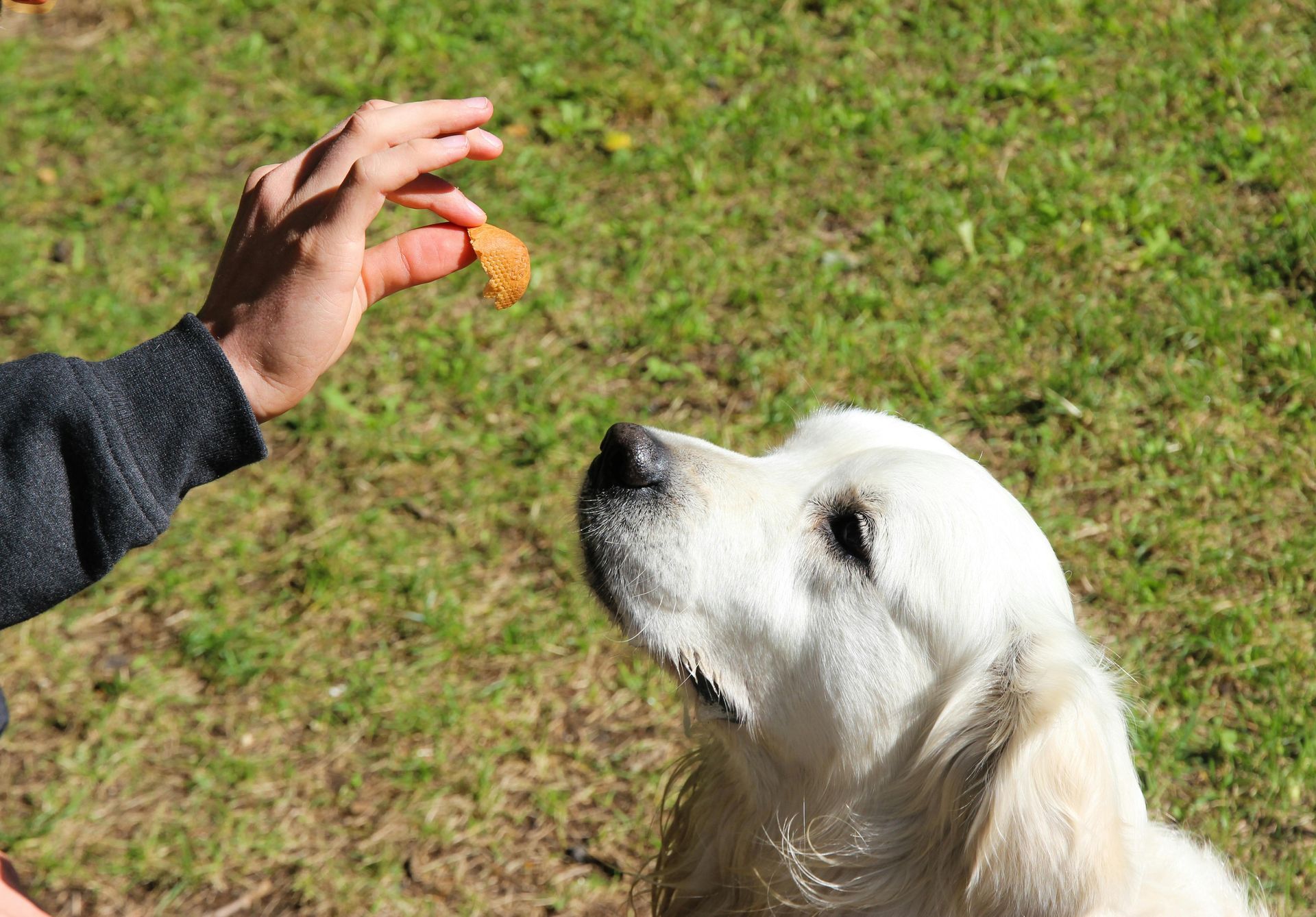
Counterconditioning involves pairing something your dog finds worrying with something they genuinely love, such as high-value food, a favourite toy, or play. Over time, this helps create a more positive emotional association.
Desensitisation means exposing your dog to the trigger at a level they can comfortably cope with—perhaps at a greater distance or lower intensity—and gradually increasing the challenge only as they remain relaxed and successful.
These evidence-based methods require patience, consistency, and careful planning, but they build genuine confidence rather than simply suppressing behaviour.
The goal isn't just a quieter dog.
It's a dog that truly feels safer, more secure, and better able to cope with the world around them.
Getting the Right Help Matters
When you're living with a reactive or fearful dog, it's completely understandable to look for answers wherever you can find them. But confidence in giving advice doesn't always equal competence.
Every dog deserves an approach based on compassion, science, and an understanding of why they're behaving the way they are.
If you'd like support, I'd be happy to help. And if I'm not the right person for your particular situation, I genuinely won't be offended. I'm always happy to recommend trusted colleagues, because what's most important is that you and your dog receive the support that's right for you.