Food and how it can be poisoned
When we live with an anxious dog, it is natural to want to reassure them.
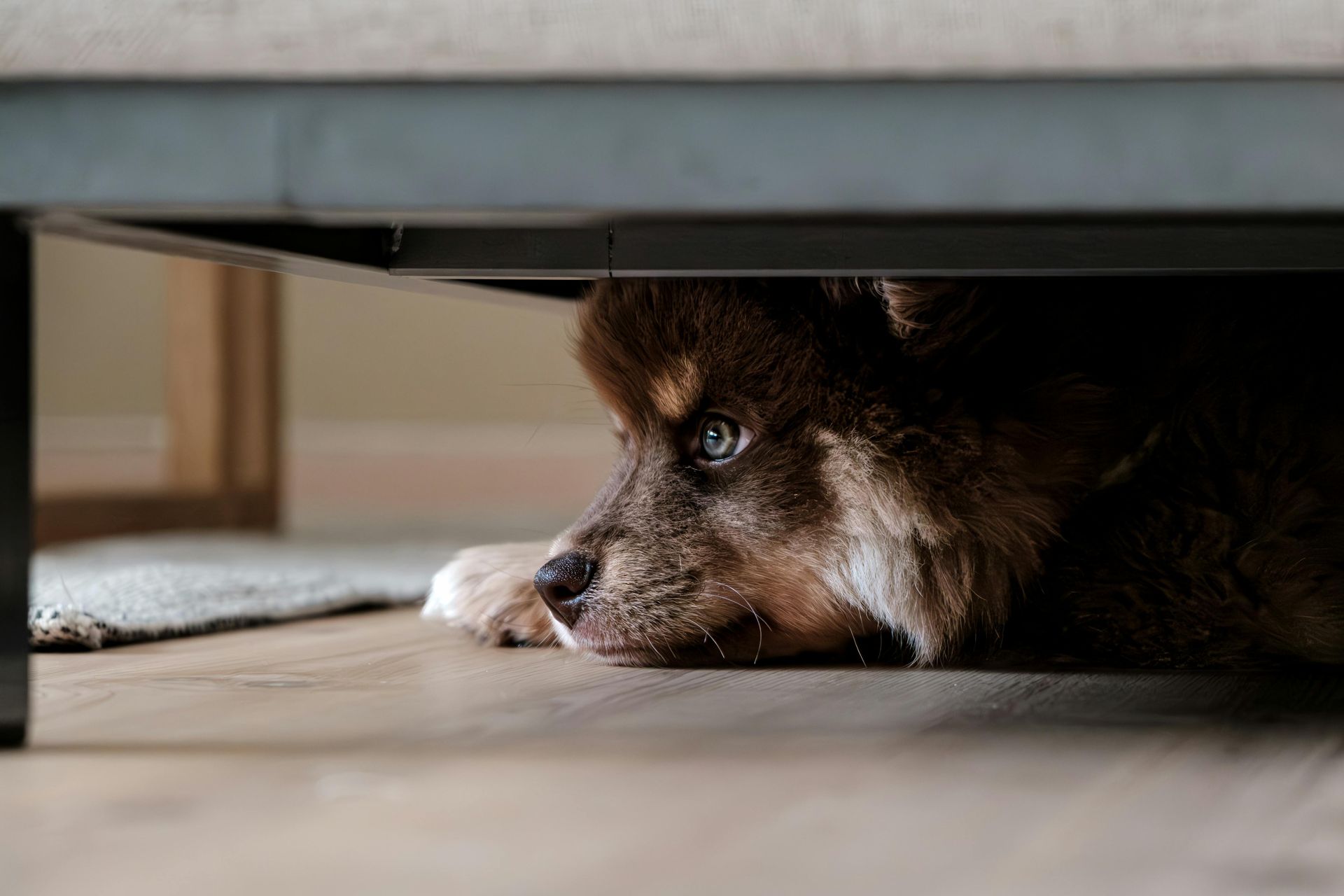
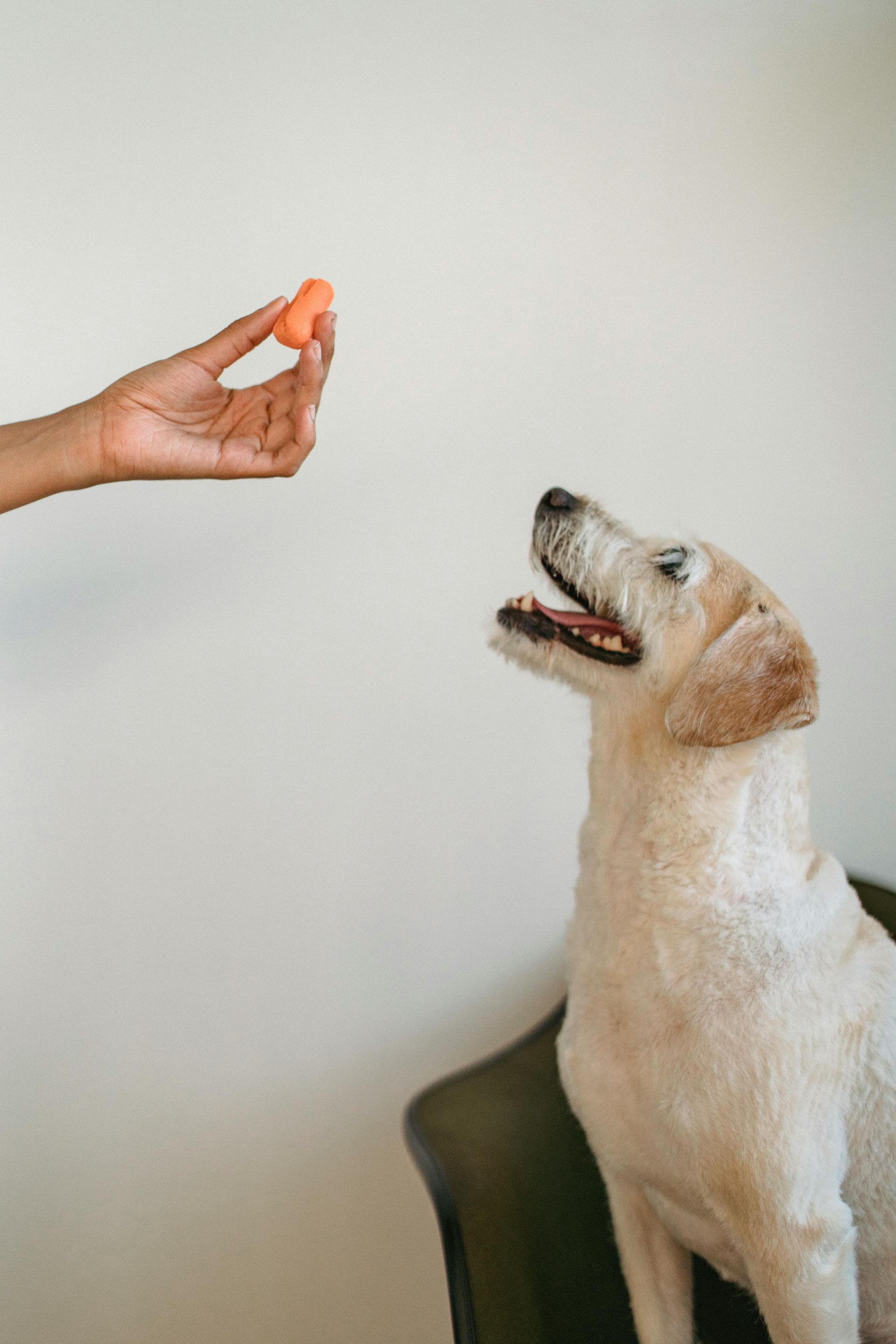
One of the first things many owners try is offering treats from their hand in the hope it will help the dog feel safer and more comfortable around them. While the intention is kind, it is important to think about the situation from the dog’s perspective.
Your dog may absolutely want the food — after all, treats are tasty. But at the same time, they may still feel uncertain about you, your movements, or your hand reaching towards them. This can create an internal conflict. The dog wants the treat, yet feels worried about the situation surrounding it. In some cases, this can actually “poison the hand” — meaning the very thing you want your dog to associate positively becomes linked with feelings of discomfort or pressure.
A far better approach is to focus on giving your dog choice and control.
For anxious dogs, predictability matters enormously. When a dog can predict what is happening around them, they often feel safer. Unpredictability, on the other hand, can fuel fear and uncertainty.
A useful analogy for this is imagining someone arriving at your house covered in post-it notes, each with different words written on them. Your brain would need time to process what you were seeing, read the notes, and understand the situation. It would likely feel mentally overwhelming at first.
This is very similar to how anxious dogs experience our movements and behaviour. Something as simple as standing up, walking across the room, leaning over, or reaching out can suddenly change the picture for them. What felt calm and predictable moments earlier may now feel uncertain.
Owners are often surprised that when they move from sitting quietly to standing up, the dog suddenly increases distance again. This does not mean progress has been lost. The change in body posture alone may simply feel more intimidating or unpredictable to the dog.
It is also important to understand that helping an anxious dog is not about creating a “treat hierarchy” where increasingly valuable food is used to push the dog closer and closer. Fear is an emotion, and emotions cannot simply be reinforced in the way people sometimes worry about. Comforting your dog when they are worried does not “reward” the fear. If your dog seeks reassurance, supporting them can help them feel safer.
At the same time, attention and interaction should happen during calm moments too — not only when the dog is anxious. Over time, this helps the dog learn that your presence is safe, predictable, and pressure-free.
There are also a few important behavioural terms worth understanding:
Desensitisation
This means gradually becoming less sensitive to something over time. For example, a dog who is worried about people standing up may slowly become more comfortable with the movement when exposed to it at a level they can cope with.
Counter Conditioning
This involves changing the dog’s emotional response to something. If every time a person enters the room good things happen — such as food appearing at a comfortable distance — the dog may begin to anticipate that person positively rather than fearfully.
However, emotional safety always comes first. If a dog does not feel safe, even the best treats in the world may not matter.
Imagine someone placing your hand into a bowl full of spiders while simultaneously offering you chocolate. You may still eat the chocolate, but you would almost certainly still feel anxious and overwhelmed. The presence of the chocolate would not remove the fear.
Dogs can experience situations in much the same way. They may take the food while still feeling worried underneath.
It is also important to remember that every dog’s threshold is different. One dog may feel uncomfortable with direct eye contact, while another may worry about certain gestures, people standing, or sudden movement. Learning to recognise and respect these thresholds is key to helping anxious dogs feel secure.
Ultimately, building trust with an anxious dog is rarely about persuading them with food alone. It is about creating an environment where they feel safe, listened to, and in control of their choices. When we slow down, reduce pressure, and allow dogs to approach us in their own time, genuine confidence and trust can begin to grow.