Understanding Dog Reactivity
If your dog barks, lunges, growls, or becomes overwhelmed around other dogs, people, or situations, you're not alone. Reactivity is one of the most common challenges dog owners face, and understanding why it happens is the first step towards helping your dog feel calmer and more confident.

What Is Dog Reactivity?
Reactive behaviour can present in many different ways. Some dogs bark and lunge at other dogs, while others may vocalise, pull on the lead, or become highly aroused in certain situations. Reactivity is often rooted in an emotional response, such as fear, frustration, stress, or feeling trapped.
The important thing to remember is that reactive behaviour is communication. Your dog is telling you that they are struggling to cope with something in their environment.
Learning to Spot the Early Warning Signs
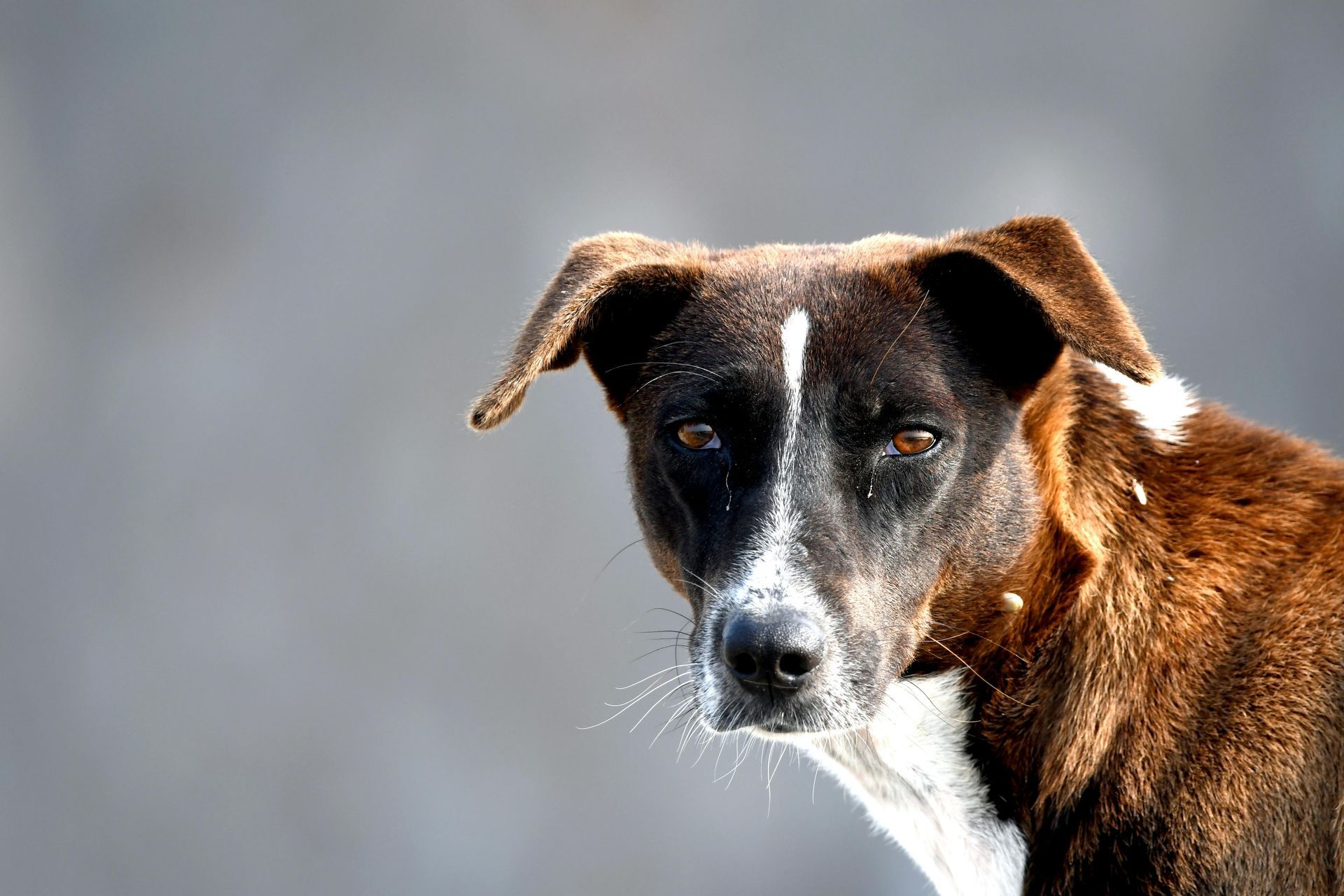
Many dogs show subtle signs of discomfort long before they bark or lunge. Recognising these early signals can help you intervene before your dog reaches their emotional threshold. According to Lisa Sinnott, signs of discomfort may include:
Eyes
- Dilated pupils
- Showing the whites of the eyes ("whale eye")
Ears
- Ears pinned back
Face
- Tension around the forehead
- Tightness around the mouth
Body
- Freezing
- Hiding behind their owner
- Raised hackles (fur standing on end)
Tail
- High, fast tail wagging
- Tail tucked underneath the body
By learning to recognise these signs, you can create distance from a trigger and help your dog feel safer before they feel the need to react.
Why Do Dogs Become Reactive?
One of the most damaging myths in the dog world is that reactive dogs are always the result of poor ownership. In reality, there are many factors that can contribute to reactive behaviour. These include:
- Genetics
- Temperament
- Negative experiences
- Insufficient or poor-quality socialisation
- Stressful life events
Every dog is an individual, and their experiences shape how they respond to the world around them.
The Role of Stress
Stress plays a major role in reactive behaviour. Dogs can experience stress from many sources, including:
- Pain or discomfort
- Scary experiences
- Stressful travel
- Encounters with other dogs
- Constant pressure to control impulses
When stressful experiences occur repeatedly without enough time to recover, a dog's "stress bucket" can overflow. At this point, even relatively minor triggers can result in reactive behaviour.
This is why recovery time, enrichment, and positive experiences are so important.
Change the Environment, Change the Outcome
When dogs are highly stressed, learning becomes more difficult. Busy environments filled with dogs, noise, and activity can quickly overwhelm a reactive dog, making it harder for them to focus on training or make good choices. Decompression is very important - for some dogs they need this prior to any behaviour modification plan.
Instead, consider:
- Walking in quieter locations
- Choosing less busy times of day
- Allowing your dog opportunities to sniff and explore
Reducing pressure on both you and your dog can significantly improve your training progress and overall relationship.
Understanding Lead Reactivity
Lead reactivity is a common issue that can look like:
- Barking
- Lunging
- Pulling
- Standing on hind legs
- Vocalising when seeing another dog or trigger
The key question is: Is the dog scared or frustrated?
Some dogs feel trapped because they cannot move away from a perceived threat, particularly if the lead is held tightly or kept very short. Others become frustrated because they want to approach something but are physically prevented from doing so.
Understanding the underlying emotion helps determine the most appropriate training approach.
Don't Ignore the Smaller Signals
Dogs often communicate their discomfort in subtle ways before escalating to barking or lunging. One example is sniffing the ground as a displacement behaviour. This is a way for a dog to diffuse tension and redirect attention away from a stressful situation.
When owners learn to recognise these quieter signals, they can better support their dogs and prevent situations from escalating.
Final Thoughts
Living with a reactive dog can be challenging, but it is important to remember that reactivity is not a character flaw. It is a sign that your dog is struggling with something in their environment and needs support, understanding, and appropriate training.
By learning to recognise early warning signs, managing stress, choosing suitable environments, and understanding the emotions driving your dog's behaviour, you can help your dog feel safer and more confident in the world around them.
Patience, empathy, and consistency go a long way—and every small success is worth celebrating.