Why should we be talking about and concerned about the way dog's are treated?
We are a nation of animal lovers, we spend thousands on our pets and their needs but why do certain behaviours still remain that are not concurrent with showing love to a dog?
- Why is it still legal to hit a dog in the name of ‘training’ it?
- Why is okay to place a dog in their crate if they misbehave or to stop them from toileting in a certain place? This sounds a lot like locking a child in a room if they don’t behave in a way we like. If a dog is toileting in a place we don’t want to it’s up to us to train them to do so in the correct place (providing they are toileting purely because of a training challenge?
- Why is it okay to use social media to put dogs in uncomfortable situations where they are snapping and growling or worried because people find it amusing and ‘sassy’ and it gets lots of ‘likes?’
- Why is it okay to pin a dog down to get them to 'submit' and why is it okay to put them in a situation that they are scared of so they lunge growl and react or just shut down their emotions?
- How come it is ok to breed dogs to have certain characteristics that compromise their health and welfare because we find it aesthetically pleasing? Or shockingly, so they don’t need extra walking to fit in with our lifestyle?
- Why is it OK to use tools on dogs that we would not dream of using on ourselves because they’d cause pain, in the name of ‘training’ which is really not training as it is just suppressing a behaviour (not training an alternative).
- Why is it recommended to allow puppies to cry out at night and become distressed when they are in a new place and away from all their litter mates?
- Why is it okay to dress up dog’s in itchy costumes that inhibit the chance to express their body language (and therefore put them at risk as there feelings may be misinterpreted by other dogs/ people) because we find it fun?
Here are just a handful of questions I have that illustrate the issues that dogs face today. Many of these things are rarely spoken about and people may disregard the issues saying there are bigger concerns to worry about. Certainly, dogs face abuse, starvation cruelty and neglect on a intense scale but I argue that dogs perceived to be in loving homes have some elements of the above too.
The way children learn to treat dogs is an issue for wider society too. If a child learns that dog’s are playthings that are just there to enhance our lives only, with disregard to what the dog wants and needs, it perpetuates the ideas that all living creatures are solely for human use. This is dangerous. It can make a child think that they can treat the dog in anyway they like. This can lead to
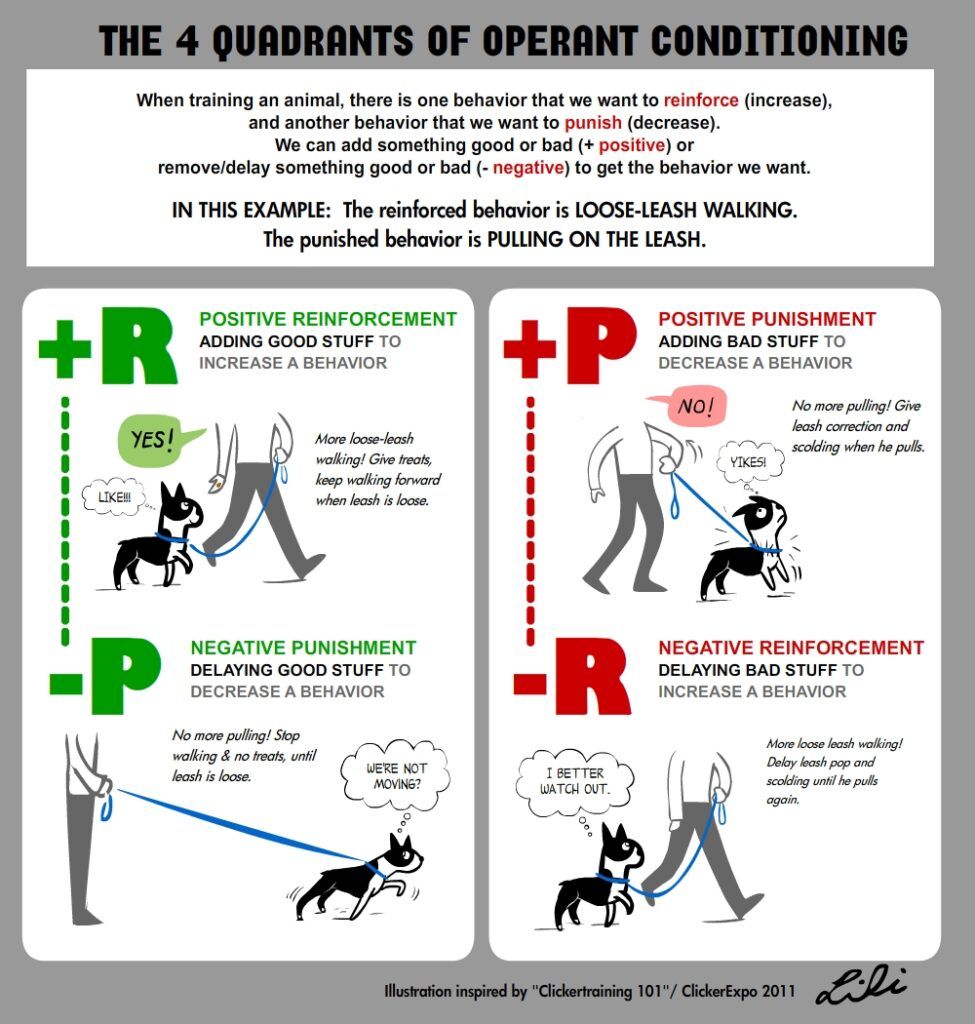
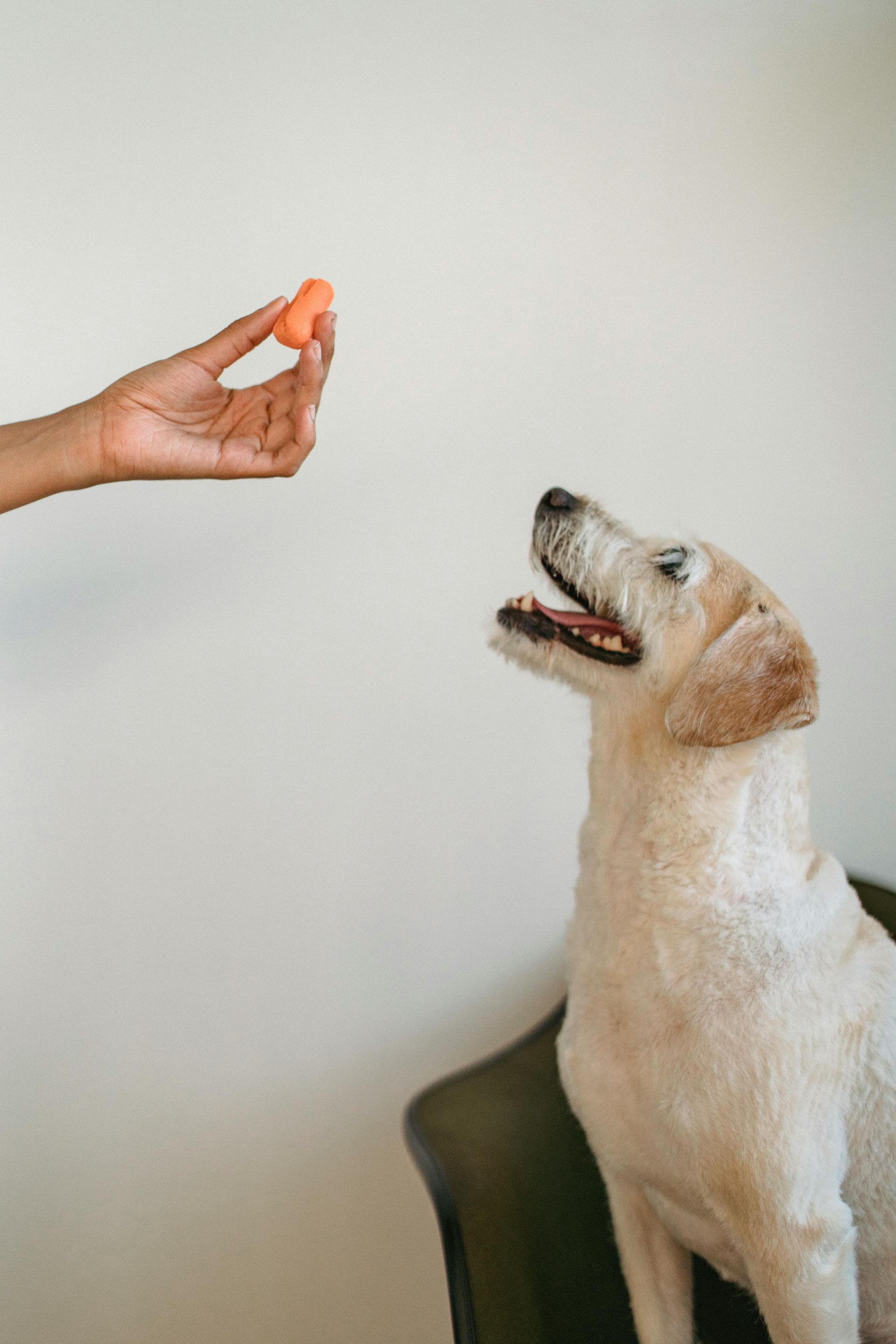
The idea that a forceful hand needs to be used with dogs is thrown around and accepted by many. Some trainers do not have the conversation with the dog’s carer about what methods will be used (some of which can be fear, intimidation and pain). Trainers that use positive reinforcement (adding something to make the behaviour more likely) is sometimes labelled by critics as ‘purely positive’ and not realistic. It makes some people think that these trainers are ‘snowflakes’. However, no one can ever be purely positive – training does not work like this, if someone labels themselves purely positive it is likely that they mean they just do not use punishment (hitting, shouting, adding something such as a choke collar). Inevitably they will withhold rewards from the dog. There is a good guide to methods below.
Just because someone has a big following on social media does not mean that their advice is sound and reliable (I’m sure you can think of a few people on twitter!)
Poor dog training, behaviour and handling and care is a mental health issue for dogs. Anyone that is interacting with a dog whether that be a dog walker, day care operator, trainer or behaviourist should be aware of the dangers of using certain methods – for the dog’s mental and physical health, as well as humans mental and physical health. Studies have shown that dog’s that are treated with harsh methods can become more unpredictable and aggressive.
I appreciate that some people do not know how to use certain methods, but I feel that some just do not want to change. Having an open mind about different methods is key – as the science moves on, so can we. Just like with experience in the past, we can learn, educate ourselves and do better. We do the best with what we have at the time but that does not give us an excuse to stay in the past because we are scared of being wrong. Dogs deserve better. They give us so much love.
What does it tell children when forceful techniques are used? That if someone or an animal is doing something that we don't like that we should hit them to get them to stop. This perpetuates the idea that it is okay to use abuse on others to get what they want, or even that it is okay to receive this abuse.
Dogs with poor mental health can be stressed and stress leads to compromised welfare and potentially bites. Placing a dog in a situation that it is uncomfortable with when there are other stressors in their life, which me may not even be aware of – pain for example – can lead them to display stress which could include snapping or biting. In turn this is an obvious mental health issue for people, as a dog bite has ramifications such as the dog being euthanised, and a fear of dogs for the person as well as physical and mental scars.
I highly recommend reading this paper which outlines the effects of training methods on dogs.
Why not join my newsletter or join me on Facebook.