Thinking about saying goodbye to your pet before you pass away and planning for their care
Your dog is so important to you and you love them dearly.
Trigger warning: this blog contains details about death.
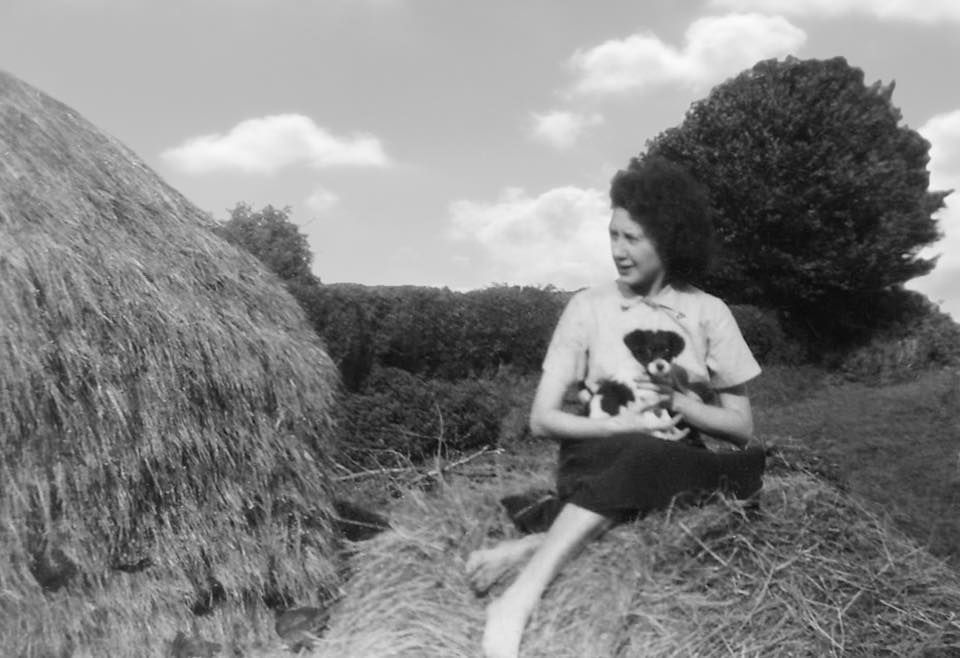
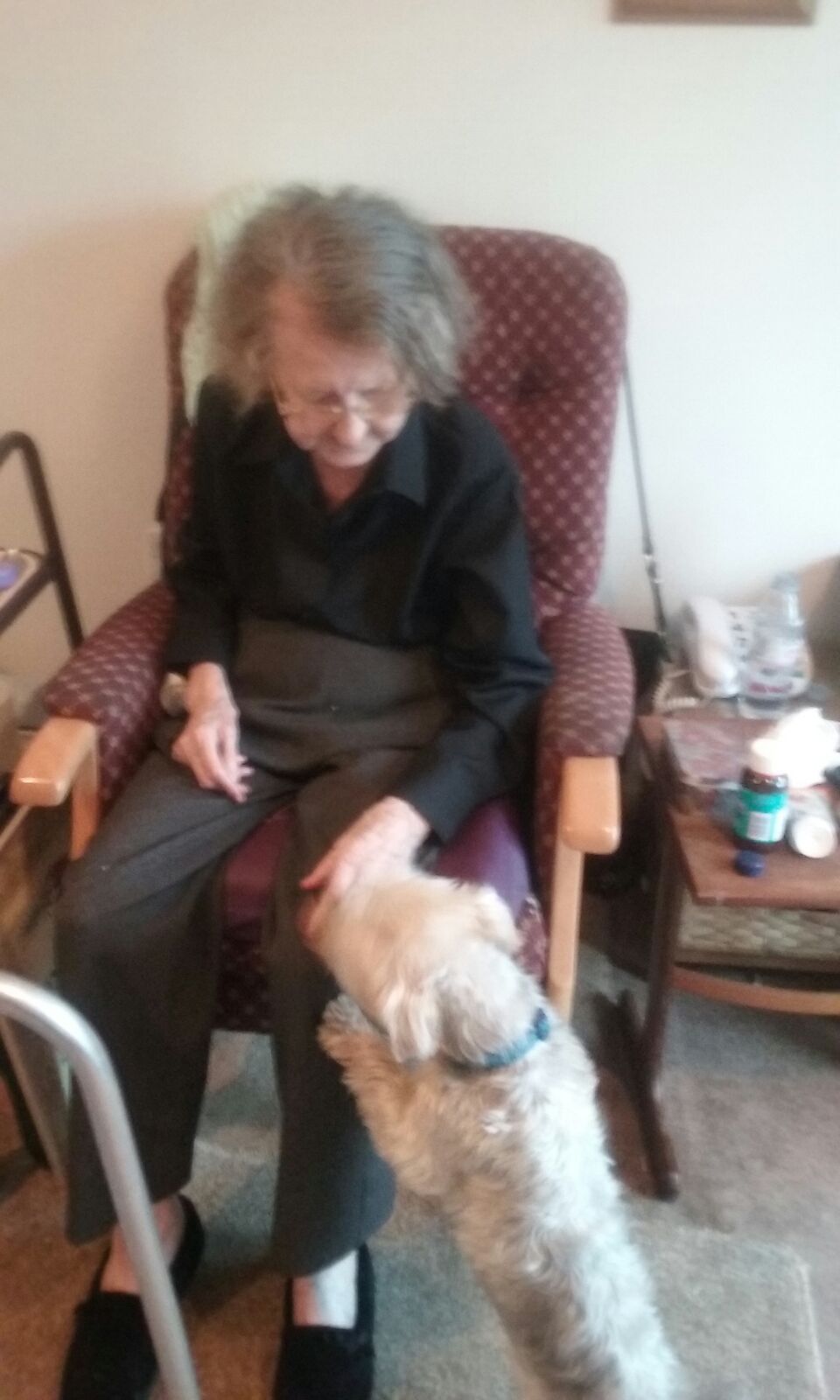
The NHS 75th anniversary got me thinking about my Granny and how the NHS cared for her in the last stages of her life. She had a beautiful puppy when she was younger called (Bobby) above and while her health meant it wasn't suitable to have a dog herself in terms of giving them the exercise they needed she loved spending time with my Cousin's dog.
Death is something that affects us all. It is, understandably something that many people don’t like to think about or prepare for, because it can be upsetting thinking about our own or a loved one’s mortality. Despite this, it is important to prepare and think ahead and plan for this, as it can save a lot of stress for you and your loved ones later on.
If you had sadly passed away yesterday, what would be happening to your pet?
Would they have someone to care for them? Such as a friend or family member? Have you spoken to somebody about this? Would the new home be suitable for them, e.g. can they be away from other animals if needed? The Dog's Trust offer a care plan.
Here are a list of considerations:
Are their vet details, medication and any illnesses noted down?
Is their food noted down and any prescription diets?
Has a note about when their last flea and worming treatment and vaccinations been written?
What about their behaviour? Do they come back when they’re called? Are they scared of certain experiences/dogs/people? You know them the best but other people may not know these things.
Do you have their pet insurance details noted in case they’re ever needed? Has any money been put aside for their care?
These are important questions as inevitably, we never know when this can happen to us.
Is their pet carrier in a visible place?
What about the details of the company for their microchip? Your dog's new address details will need to be updated.
Where does the your dog go when you go on holiday? What are your dog walker's details?
Are they allergic to any particular food/treats?
Do they know your pet has a bed that they like in a particular spot, their favourite toys, the walking spots that bring great joy to them?
Does anyone know that your dog had an operation on their ear a few months ago and therefore is sensitive about this area being touched?
What’s your pet’s routine? Preparing for this not only helps the person caring for them, but for your dog's wellbeing too. They will already have lost you and to have a routine that is also disturbed can be stressful.
You can help prevent:
• Your family feeling stressed
• Your pet being put in a situation that is stressful and them reacting.
• Your pet being placed in danger of their own life if they don’t come back when called.
• Your pet not having the care that it is used to.
Things to prepare include providing a close/trusted/loved person with a document detailing all of this information and also bank details if you have a particular trust fund for your pet’s care.
There are 6 parts to a pet carer's end of life plan:
1. Legal – who has the right for caring for your dog, cat or pet? Are you going through a divorce at all? This is an important consideration. Read more
here, the Blue Cross have created a ‘pet – nup’.
2. Care planning – How do you want your pet to be cared for? What about their own death? Would you like them to be buried or cremated for example?
3. Household equipment – Where is all their food, grooming products, toys, beds etc?
4. Information- vet details, dog walker, insurance etc
5. Bank accounts – funding for your pet care.
There may be other options too. It’s worth contacting a professional to draw up a comprehensive after life plan. For example, there are specific companies such as Before I Go Solutions.
It’s not nice thinking about the end of your life, but it’s a great gift to give to your pet so you can continue to care for them.
If you are affected by anything I have written you may find these sources helpful:
The Ralph Site (this is if you have lost a pet however).