Emotions and the vet clinic
Why Emotional Wellbeing Matters at the Vet
When it comes to veterinary care, the focus is often on physical health—but a pet’s emotional experiences important If stress and fear are overlooked, it can shape how an animal feels about vet visits in the future.
Negative experiences may lead to increased anxiety, defensive behaviour, or even the need for sedation during routine examinations.
By considering how our pets feel, we can help create calmer, safer, and more positive veterinary visits. Chat to your vets about how they can support your dog.

Supporting Your Dog During Vet Visits
In the Consultation Room
Small changes in how we approach and handle dogs can make a big difference:
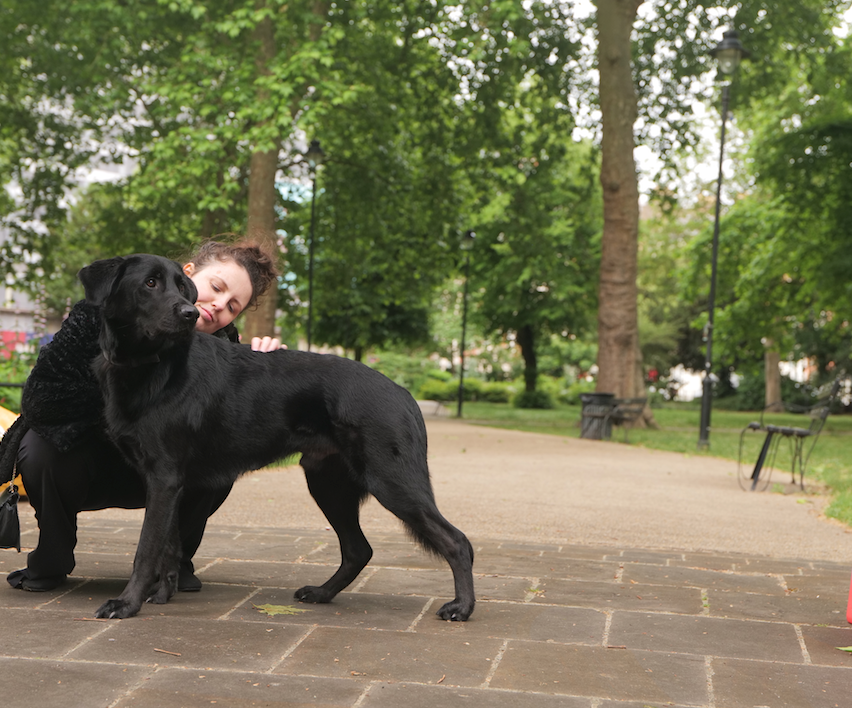
- Avoid leaning over your dog—this can feel intimidating
- Approach from the side rather than head-on
- Lean slightly away instead of into their space
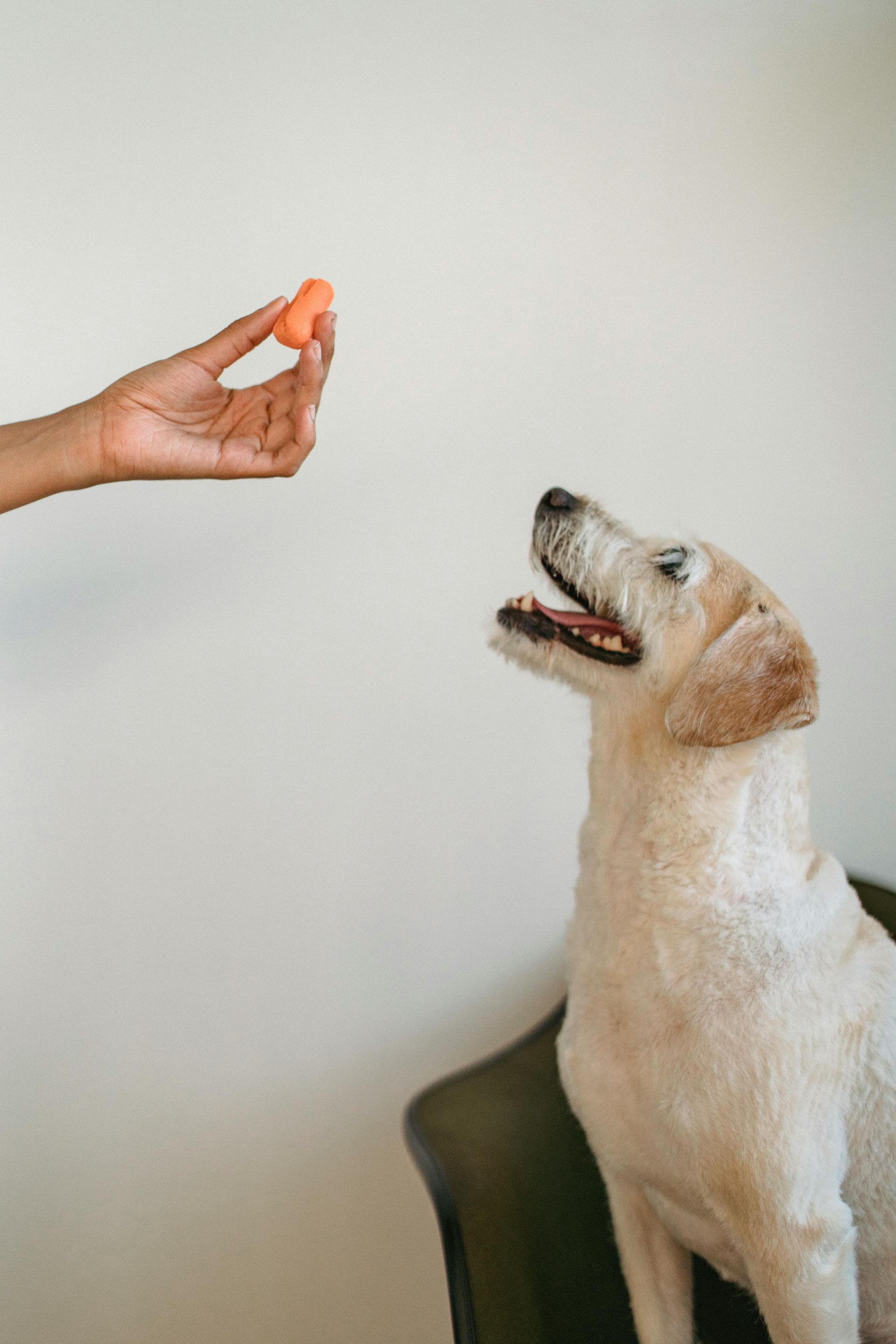
- Avoid putting your hand out directly toward them
- Where possible, allow examinations to happen on the floor
- Watch for early stress signals (lip licking, yawning, panting, ear changes)
- Respond early to prevent escalation of behaviour
- Avoid prolonged direct eye contact
- Move slowly and predictably—quick or erratic movements can feel threatening
- Consider waiting in the car until your appointment time
- Where appropriate, ask about being seen outside or in quieter areas
- Prioritise procedures so your pet can take breaks or return another day if needed
Low-stress handling and cooperative care techniques can make a huge difference in helping dogs feel more in control and less fearful.
Creating a Calm Veterinary Environment
The clinic itself plays a big role in your pet’s experience:
- Keep noise levels low (soft voices, quieter phones, reduced door slamming)
- Use soft lighting where possible
- Provide non-slip surfaces on floors, tables, and scales
- Use fresh bedding or towels to avoid lingering stress-related scents
- Offer comfortable resting areas like beds or blankets
- Position scales away from busy or visually stimulating areas
- Minimise exposure to other animals, especially for anxious dogs
- Provide enrichment like lick mats or puzzle feeders during consultations
Helpful Products and Tools
Simple additions can help reduce stress:
- Neutral-smelling cleaning products (strong scents can be overwhelming)
- Licki mats or food-based distractions (if appropriate)
- Toys such as Kongs to provide comfort and focus
Making the Waiting Area Less Stressful
Waiting rooms can be one of the most challenging parts of a vet visit:
- Use calming pheromone sprays on blankets (applied in advance)
- Provide physical barriers between pets
- Offer quieter, separate spaces where possible
- Reduce close encounters with unfamiliar dogs
Why It Matters
By recognising and responding to your dog’s emotional needs, you’re not just making vet visits easier—you’re protecting their long-term wellbeing.
Sign up to my newsletter to get more guidance.
References
Casey, R & Kry K. Animal Welfare 16, 375-383 (2007) The effect of hiding enrichment on stress levels and behaviour of domestic cats (Felis sylvestris catus) in a shelter setting and the implications for adoption potential p. 380
Ellis and Sparkes (2017) “ISFM Guide to Feline Stress and Health”, International Cat Care
Mills and Westgarth (2017) “Dog Bites: A multidisciplinary perspective” 5m Publishing
Riemer et al.,(2021)Animal Welfare.A Review on Mitigating Fear and Aggression in Dogs and Cats in a Veterinary Setting
Shreve, K. & Udell, M. Stress, security, and scent: The influence of chemical signals on the social lives of domestic cats and implications for applied settings, Applied Animal Behaviour Science. 187, 69–76 (2017). Pp. 69
Further information /websites
Sophia Yin Cattle Dog Publishing and You Tube Channel
Grisha Stewart – Behaviour Adjustment Training
Michael Shinshako – Aggressive Dog
The Muzzle Up Project
Cooperative Veterinary Care by Teaching Animals Facebook Group