Dogs who are nervous of sounds
Helping dogs who are nervous of sounds
It can be really tricky and feel hard when your dog is feeling nervous of sounds that you do not have control over. They may freeze, startle, growl, try to flee, shake, drool or more. Here are some considerations if your dog is nervous of sounds. As well as the noise, there is the physical vibration too.
Undiagnosed pain
It is thought that when a dog here’s a sound they startle, and then tense up. This tension can exacerbate underlying soreness and pain. Even if your dog is running around and enjoying life most of the time, it does not mean they are not sore. We can have a bad experience (sore leg) and positive experience (eating cake) at the same time. Lincoln University have a video that you can take of your dog moving (and then slow it down) so you can look at how they are moving,Canine Arthritis Management also have advice.
If your dog has floppy ears they can sometimes be more susceptible to ear infections. Again, if their ears are in pain, then they can be more jumpy to sounds as it physically hurts them.
Helping to build confidence
If pain or physical challenges have been ruled out (because you would not want to start on desensitisation before then), then building confidence may include a desensitisation and counter conditioning programme.
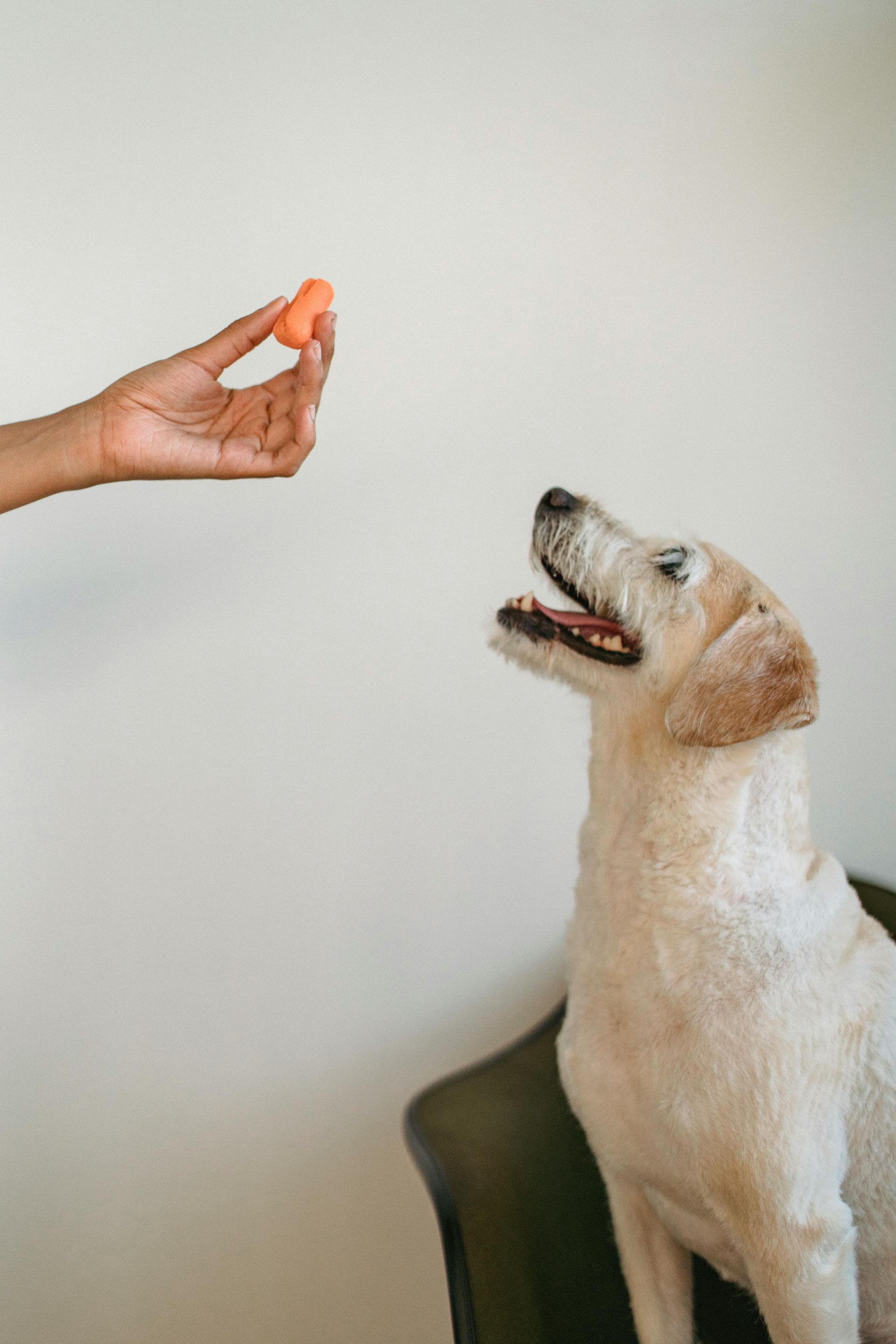
This could include introducing sounds in a safe space such as home, at a very low level. That is not to do with the original sound. This could be brown paper that rustles or plastic bottles. Then when ready they interact with the items and when they do interact and it makes a noise from their own movement, they get treats (not having treats inside the items). Then change the noise so that then they gradually get louder from a distance so there is a level of unpredictability so that resilience is built. In response to the sound the dog gets a treat.
Rewarding your dog when they look at you in response to a sound is really important too.
Avoidance where possible
Avoiding very intense sounds while you are working on the above is really important to avoid regressions and things intensifying (though can be difficult). Driving to locations can sometimes work if you know a certain area has more intense sounds. Veterinary Behaviourists often have good advice on this.