Mounting and humping behaviour
Some dogs do it for hormonal reasons others due to behavioural. Reasons behind humping can include hormones, anxiety, tension attention seeking, frustration, eliciting play or displacement behaviour when stressed. Filling out the diary can help pinpoint more triggers and look at what is happening.
Tips for your dog
If your dog mounts when people arrive I would set him up for success before they arrive by giving him something to do such as a kong in the garden or bedroom.
Body language
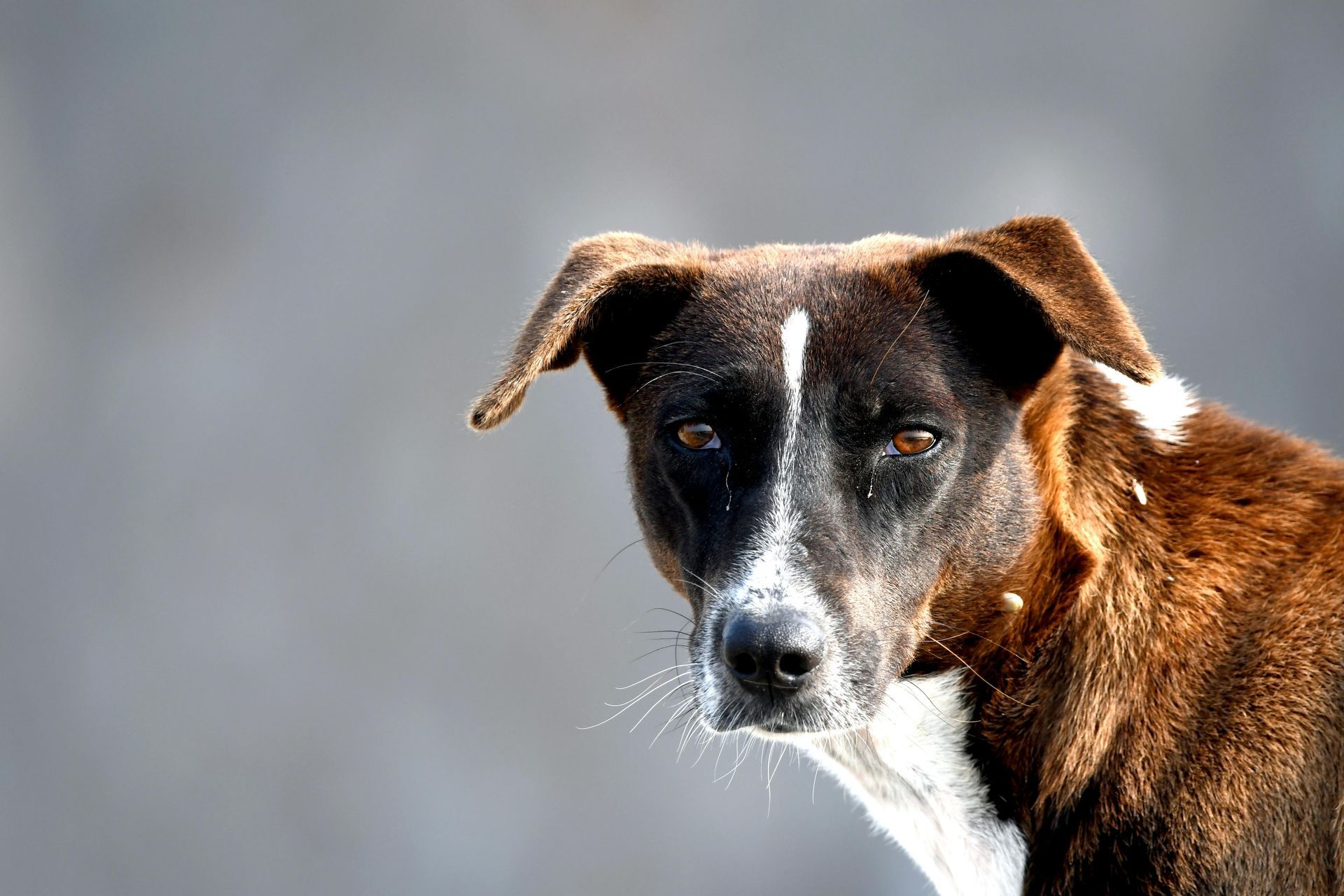
Frustration can induce humping and it can look like – barking, dilated pupils, panting, raised fur, jumping and humping.
Arousal
Where possible, reducing frustration and arousal levels can help and writing down a list of triggers that increase any barking or mounting behaviours – sometimes dogs bark then mount. If you imagine frustration and arousal as an emotional state that fills a sink and when there is too much of it overflows – the overflow can represent displacement activities such as jumping and humping and barking.
This can be a great guide when thinking about behaviour and what precedes it.
A – Antecedent (what was happening and where were you?)
B – Behaviour (what could you see)
C – Consequence (is this externally or internally reinforcing? – Is your dog getting attention and / or relief from doing this behaviour?
In terms of triggers that preceding barking, these include:
-The doorbell ringing
- Watching things outside like cats window film (some still lets the light in -(https://www.purlfrost.com/window-film/ - temporary and can be taken off) or even grease proof paper to try it can help so he's not sitting and watching things outside and getting more heightened.
- Getting people to text you rather than ringing the bell
- Leave your pup in another room with a kong when a visitor arrives to feel calmer.
When he is around something distracting outside (such as bikes) rather than asking him for a sit, I would recommend getting his nose down and working to reduce arousal as sniffing activates the parasympathetic nervous system (rest and relaxation). Sitting can increase frustration when he wants to explore.
People say neutering will always cure it but this is not true. There can be different motivations and emotions behind the behaviour.