My dog doesn’t want to walk – what’s up?
Reasons why a dog may not want to walk
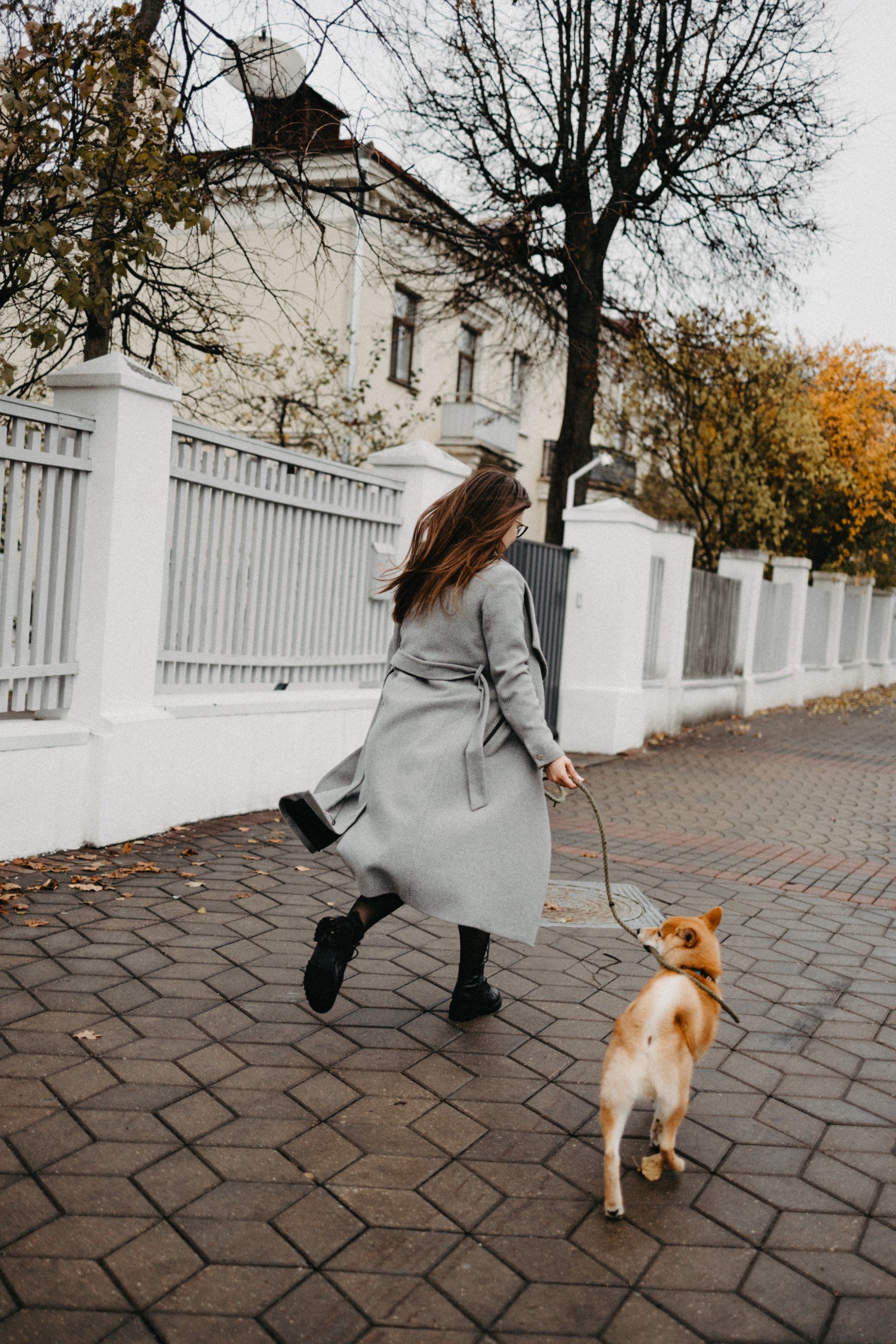
There can be a number of reasons a dog does not want to walk. They may be in pain, they may be nervous of the wind, not enjoy the sensation of the rain, scared of noises, or surfaces beneath their paws may be uncomfortable, or they may associate a certain spot with a bad memory. Our dogs have incredible hearing and amazing sense of smell so they notice many things we don't. Some dogs will move to the freeze response if they feel overwhelmed by what is happening in the environment. If the freeze position is ignored, punished or is not having the intended effect then they can move to the fight response in an attempt to gain space.
Freeze behaviours can look like a dog refusing to move, egnoring treats whereas fight can look like barking, stiffening up, growling and snapping.
A vet check to rule out overt pain is the first step.
What can I do to help them?
If I was to pull your arm you would probably resist and pull back. The same behaviour can occur with dogs. We should avoid pulling them because it doesn’t teach them what to do instead. Furthermore, if their lead is attached to their collar or a harness that does not fit them well then we can cause pain around their neck and chest. You can use ‘mime pulling’ or ‘lead stroking’ instead. This is something I learnt on a course with Grisha Stewart and it is a way of sending vibrations down the lead which encourages a dog to come to you and away from a situation. To do it you keep the lead one length and run it through your hands. Look at the video here.
You can also make a note of when your dog does it and where so you can spot any patterns. Use Susan Friedman’s ABC approach when looking at behaviour. What is the Antecedent (where, any noises etc), what behaviour can you actually see (egnore terms like stubborn etc), what does the behaviour look like, C – what is the consequence of the behaviour? You can then work on what is worrying them. It’s important to try and look at things from our dogs perspective and even if we don’t feel something is scary – they may perceive it to be. We do not want to supress or punish behavioural responses as they can be redirected elsewhere or inadvertently replaced by a more severe behavioural expression. For example if we pull a yank a dog or tell them off when they bark at another dog we may stop the outward behavioural expression but the underlying emotion is still there. This emotion is likely to come out more severely if they have been punished for a bark. They may snap instead next time.
What body language signs can I look for in my dog?
Avoidant or inhibitory behaviour – what does this look like?
This can include:
· Moving away
· Hiding behind you
· Sniffing the ground
· Licking (this can often be misinterpreted as giving kisses)
· Yawning
· Scratching
· Shaking off (as if they were wet
· Laying down with their leg up
· Turning their head away
· Panting
· Tucking the tail under their body
If this behaviour has been ignored and punished previously then the dog is likely to move to more intense behaviours (growl, snap, bite) in an attempt to gain space.
References
Jon Bowen, Sarah Heath, Chapter 11 - Canine aggression problems,Editor(s): Jon Bowen, Sarah Heath,Behaviour Problems in Small Animals,W.B. Saunders,2005,Pages 117-140,