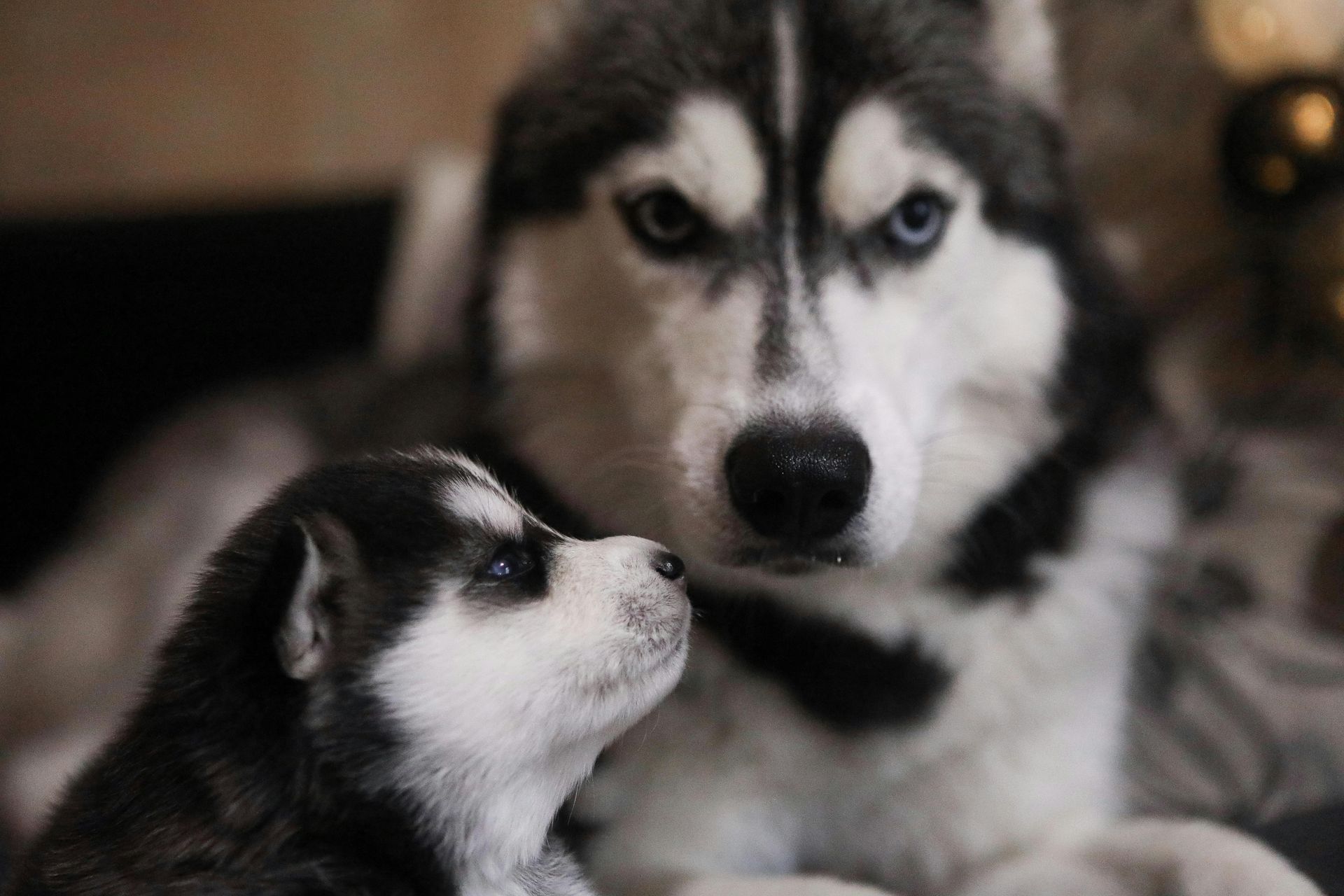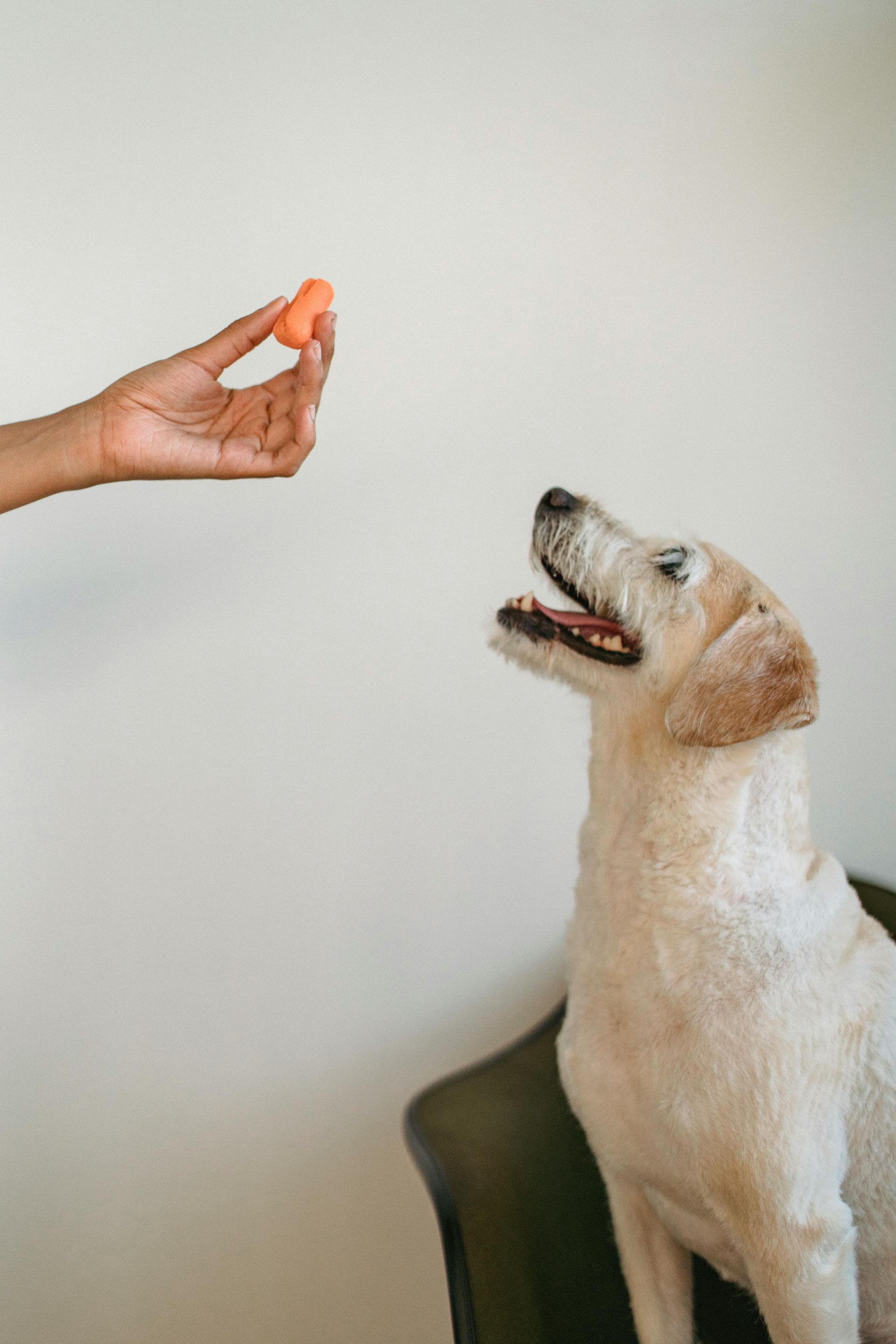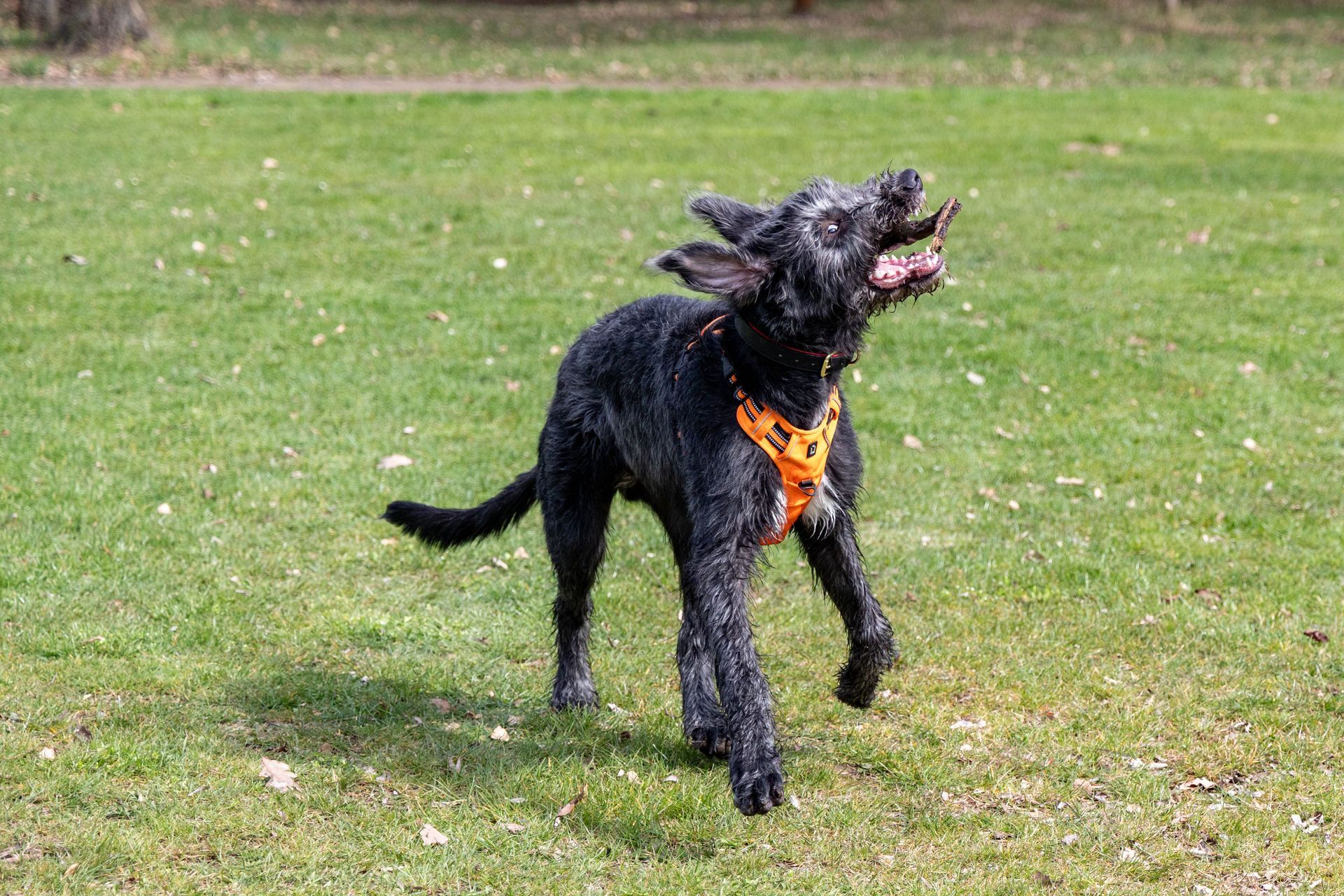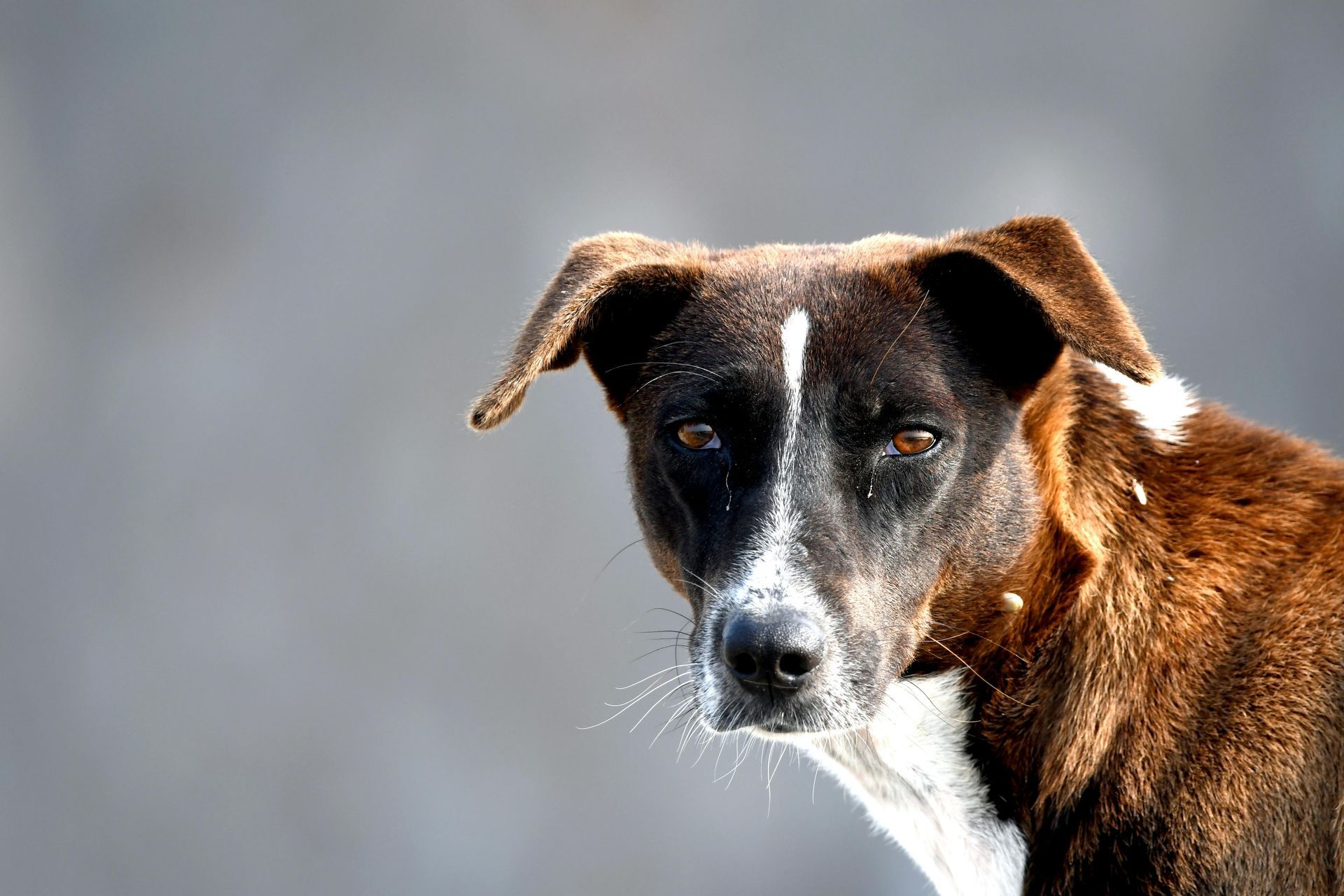
What should dog trainers be asking about your nervous dog?
Have you ever gone somewhere and felt a bit anxious? Did the host do anything to help alleviate your fears and worries?
If not we can speak to our friend, or maybe have a drink or take a deep breathe. Our dogs can't do this unless these options are available and taught to them.
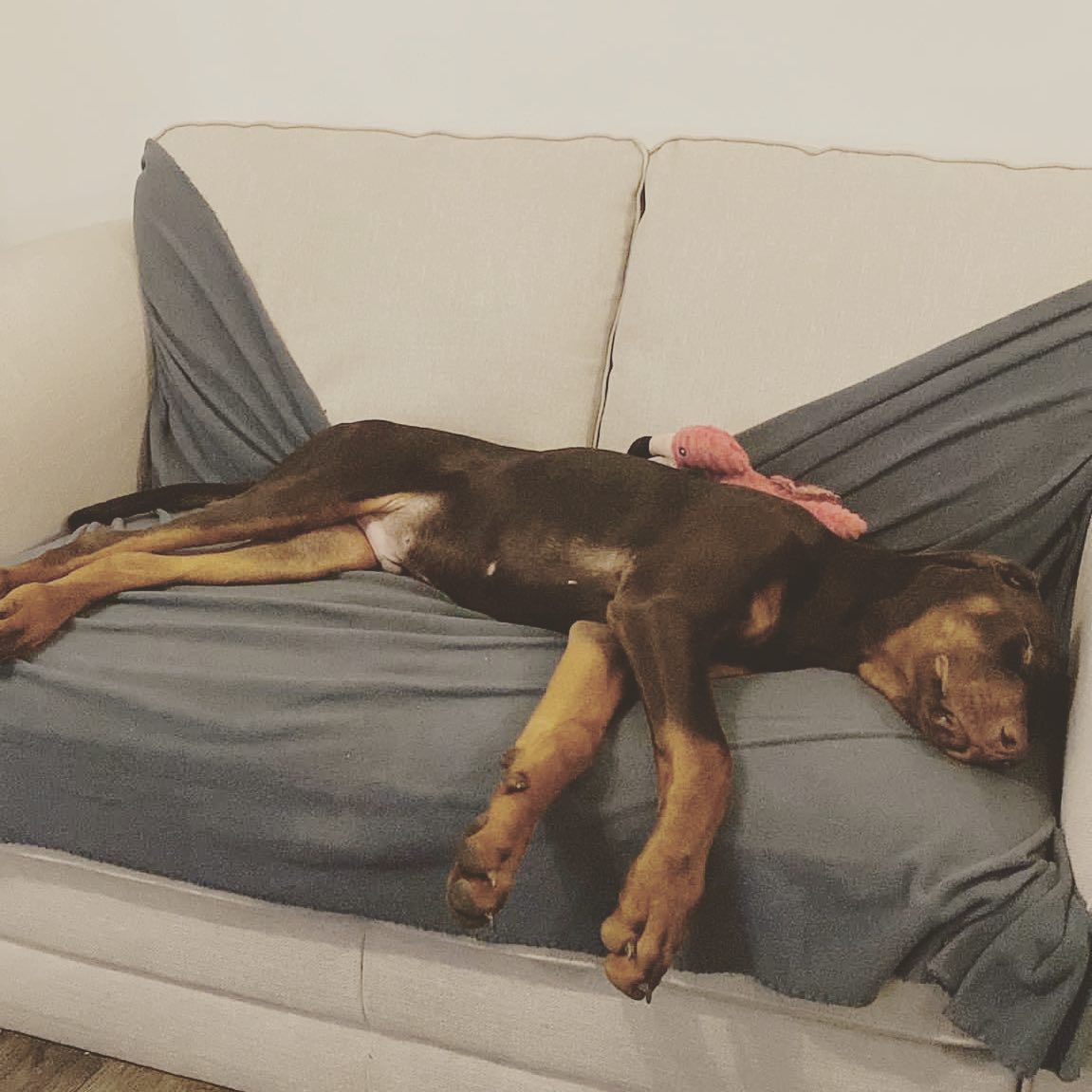
For an anxious dog, anxiety can manifest in different ways. Stress stacking, or trigger stacking can result in a dog feeling more scared in different situations if the experiences build up and occur in quick succession. Anxious experiences can involve:
· Loud noises
· Being touched in a place that is painful
· Being touched in a place that is not used to being handled
· Travelling on a train/crate
· New places and smells
· Invasion of personal space – this can include being patted on the head
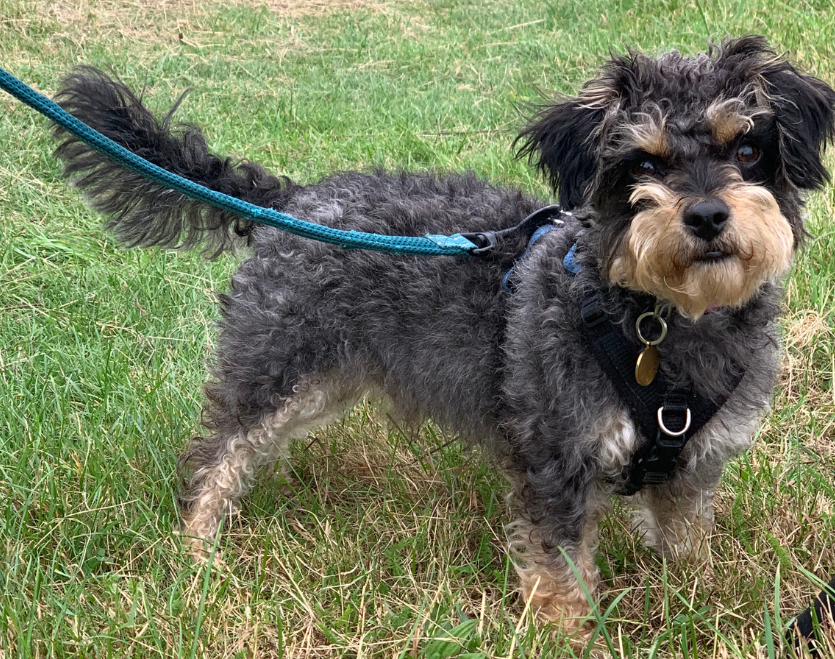
· Feeling trapped on a lead as they cannot move away
· Painful equipment that chafes or causes pain or pinching
· Being told off
Just like us, a dog can’t retain or even learn new information or alternative behaviour if they are stressed, scared or anxious. Stress can cause atrophy (shrinking) of the hippocampus which is responsible for retaining information.
Here are some things a dog trainer may suggest to help reduce your dogs anxiety so they can learn new behaviours:
Engage in a lot of self soothing behaviours such as sniffing to help reduce stress and promote calm behaviours.
Purchase a jacket or lead that says “ space needed” this can help reduce the amount of unwanted dog interactions that they experience.
Ask you beforehand, if there are any areas of tension that could be exacerbated by training, such as sore paws, heads, leg injuries. Then the trainer will adapt the training plan in light of this. The dog’s welfare should be of paramount importance and be apart of the training plan.
An area that is not too busy and intense would be more of a suitable place for a training session too.
You should always feel that you can speak up and advocate for your dog. You know them best. It is not a sensible working relationship to be with a coach that you feel is belittling you, egnoring your concerns or knows best – trainers are not, (or at least shouldn’t be) archetypes of Judge Judy! You know your dog best.
Chain or prong based collars can cause tension in the neck and thus stress. These should be avoided.
Helpful training training for an anxious dog can include:
Chin rests for being able to examine them for co-operative care behaviours such as nail trims or ear checks.
A reliable recall to get them back away from situations that may scare them.
Loose lead walking training so that a dog can stay close to you if something they perceive as scary is coming up such as a pram, or someone with a walking stick. This will help you navigate them out of the way.
Here are just some of the things a trainer should be asking you about your dog.