Meeting dogs

7 January 2026

Introducing dogs to one another


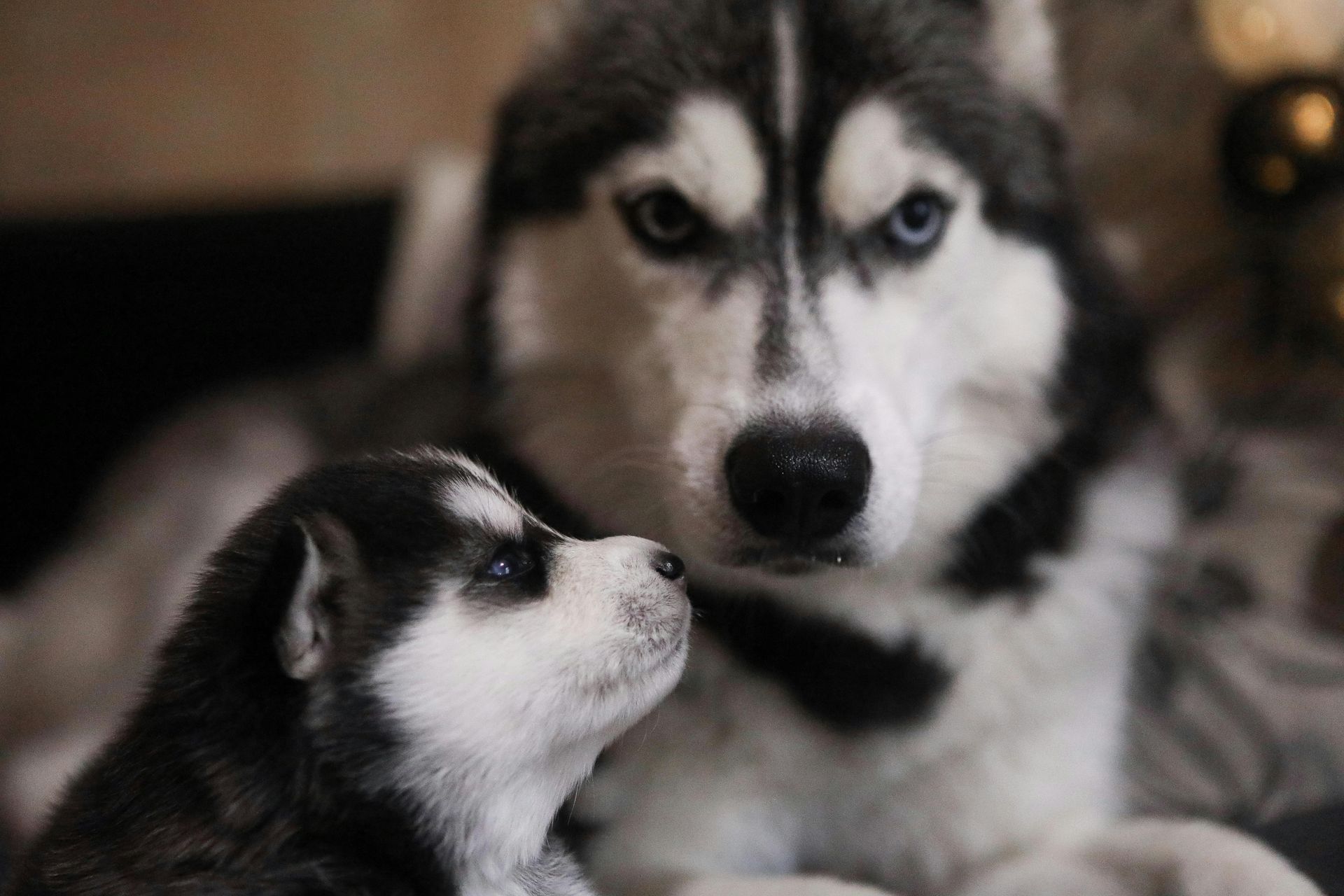
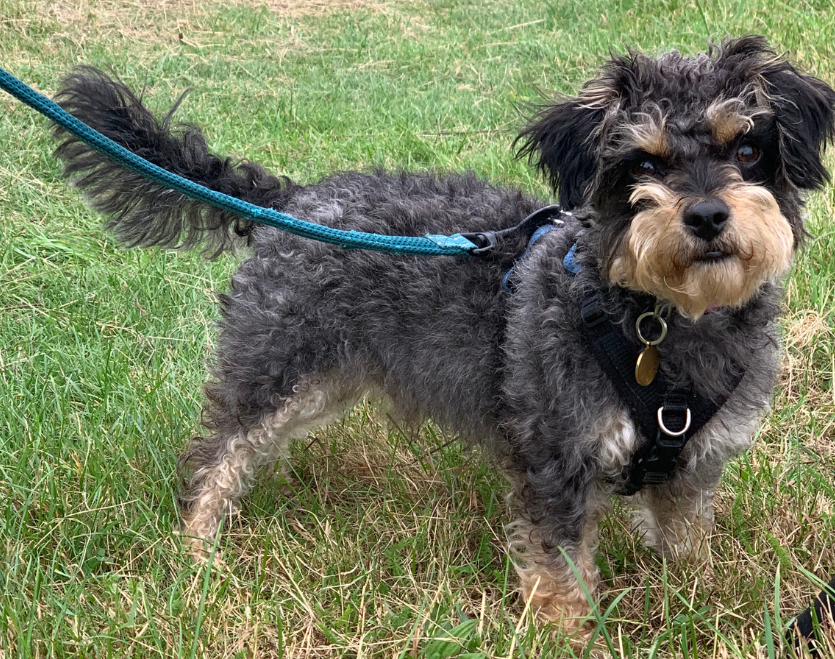
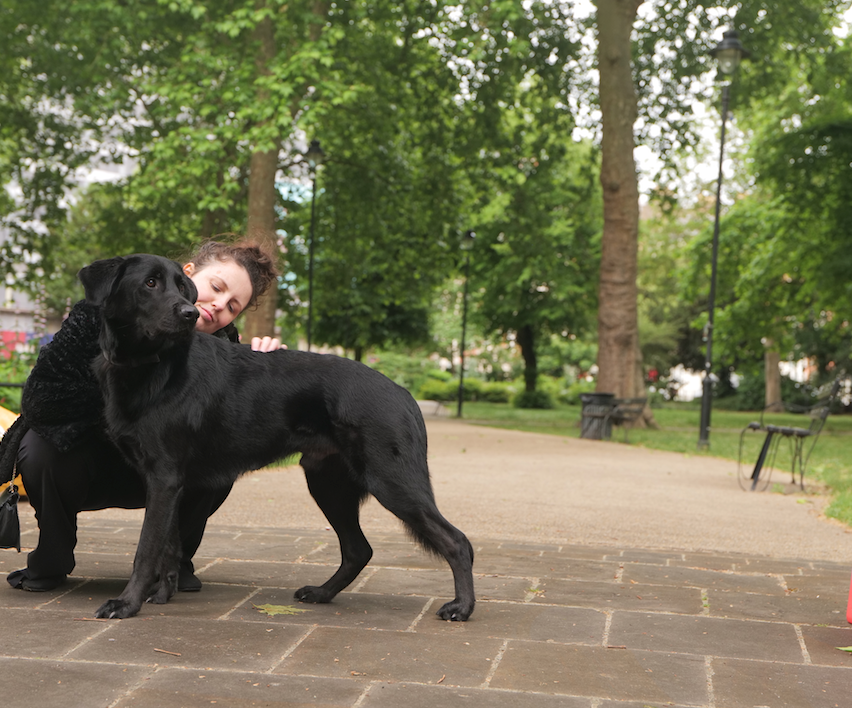
This is something that quite often can go wrong, despite our best intentions. Whenever you are meeting a new dog, it is imperative to do this in a neutral territory – not in your dog’s home or garden, where they are likely to bark, or feel protective over their resources. In the same way you would not go up to a stranger and hug them we need to remember that different dogs have different social skills. Allow them to see each other from a safe comfortable distance on lead to begin with (not a narrow path).

Remember that a dog’s body language is different to ours and they communicate with each other via this. We do not want to lead them to each other head on – this can overwhelm and worry them. Also think about the dog’s age (puppy or senior – very likely to have different play styles – and remember puppy teeth – even in play can hurt ears A LOT!), temperament and style. Also can they easily be read or is it harder for dogs to read them (for example do they have a flat face and no tail? It can be harder to read these dogs).


Location

As mentioned, no narrow spaces, and behind a barrier can be really sensible to start off with.


Body language

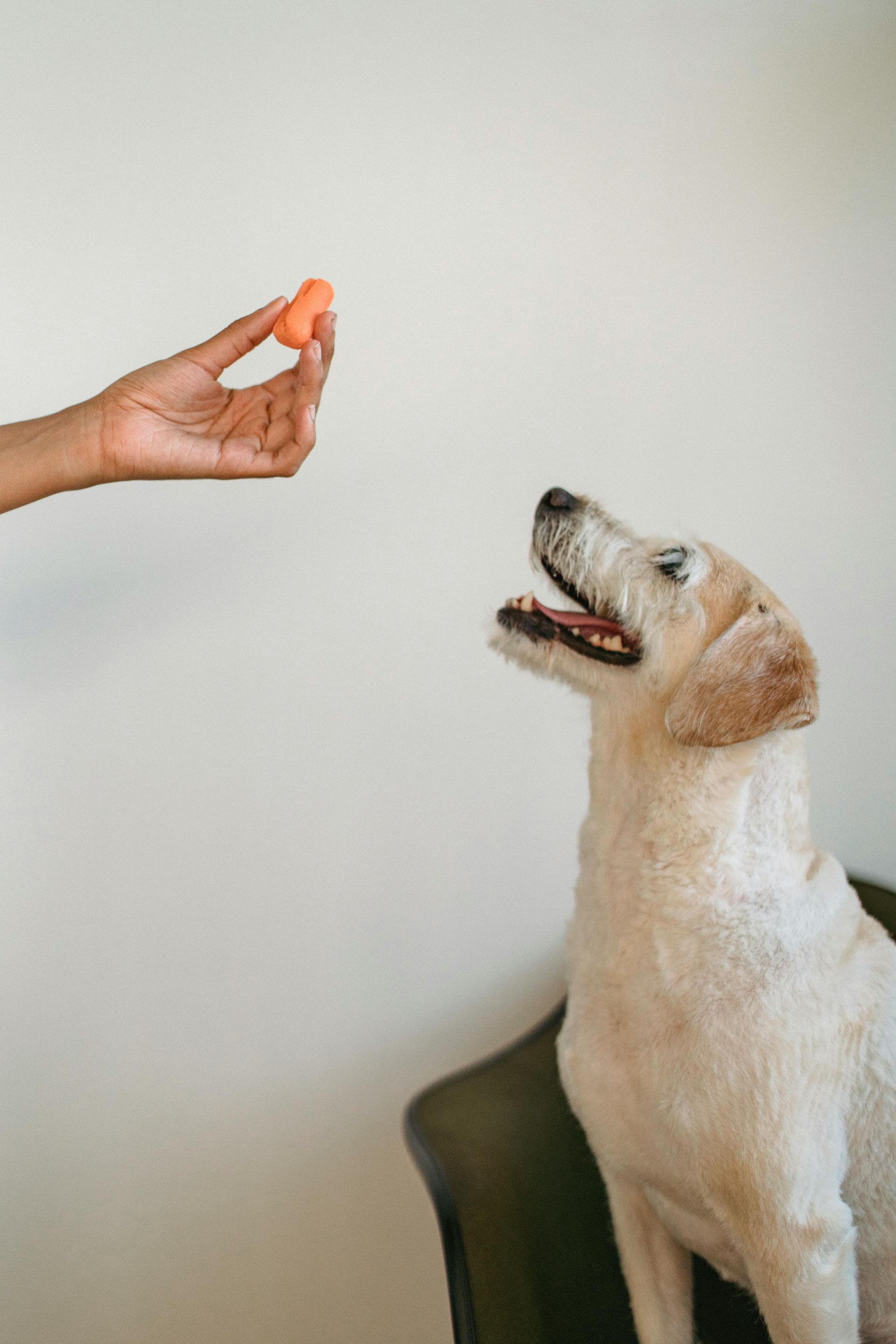
Make sure they are sniffing and reward them when they look at the dog – give them a treat. If they are lunging, barking or freezing then gather some distance to help them regulate.


Lead

Keep the lead loose as possible and if both dogs want to say hello – do it with a curved approach. Tension down the lead can cause frustration.


Next steps 


Walking along side each other on the lead can be a good way to reduce frustration and still manage the interaction. Reward for calm behaviour and always look at their body language and gather distance.


If you would like any support remember there are webinars available.


by Lisa Sinnott 30 January 2026
Some dogs do it for hormonal reasons others due to behavioural. Reasons behind humping can include hormones, anxiety, tension attention seeking, frustration, eliciting play or displacement behaviour when stressed. Filling out the diary can help pinpoint more triggers and look at what is happening.
by Lisa Sinnott 30 January 2026
Children and Dogs: A Guide to Safe and Happy Relationships Having a dog in your family is exciting and fun, but it’s important to teach children how to interact safely and kindly with their furry friend. Puppies and young dogs are still learning, and we need to help them grow into happy, well-behaved companions.
by Lisa Sinnott 30 January 2026
You may have heard that you have made a 'rod for your own back' with your dog, or 'spoiling' them has caused separation anxiety. I am here to tell you, that this is not the case. Dogs from breeders and rescued dogs can experience it. Separation distress can be caused for lots of different reasons. These can include:
by Lisa Sinnott 30 January 2026
Understanding Pica in Dogs: Why They Eat Non-Food Items
by Lisa Sinnott 29 January 2026
Sound sensitivities can be distressing for us to watch.
by Lisa Sinnott 27 January 2026
Many trees can be dangerous if a dog eats them which many dogs can do.
by Lisa Sinnott 19 January 2026
Sometimes management at home can be tricky if you have more than one dog, with this in mind I wanted to break down some options for you.
by Lisa Sinnott 12 January 2026
It is thought that in chronic stress that the part of the brain responsible for learning and memory – the hippocampus – has shrunk.
by Lisa Sinnott 15 December 2025
Not all muzzles are made the same. Fabric one’s can inhibit panting, and can easily be torn on branches and some hold a dog’s mouth shut – uncomfortable and mean they cannot pant.
by Lisa Sinnott 1 December 2025
Are you feeling confused about when your dog may react?