Managing multi dog homes

19 January 2026

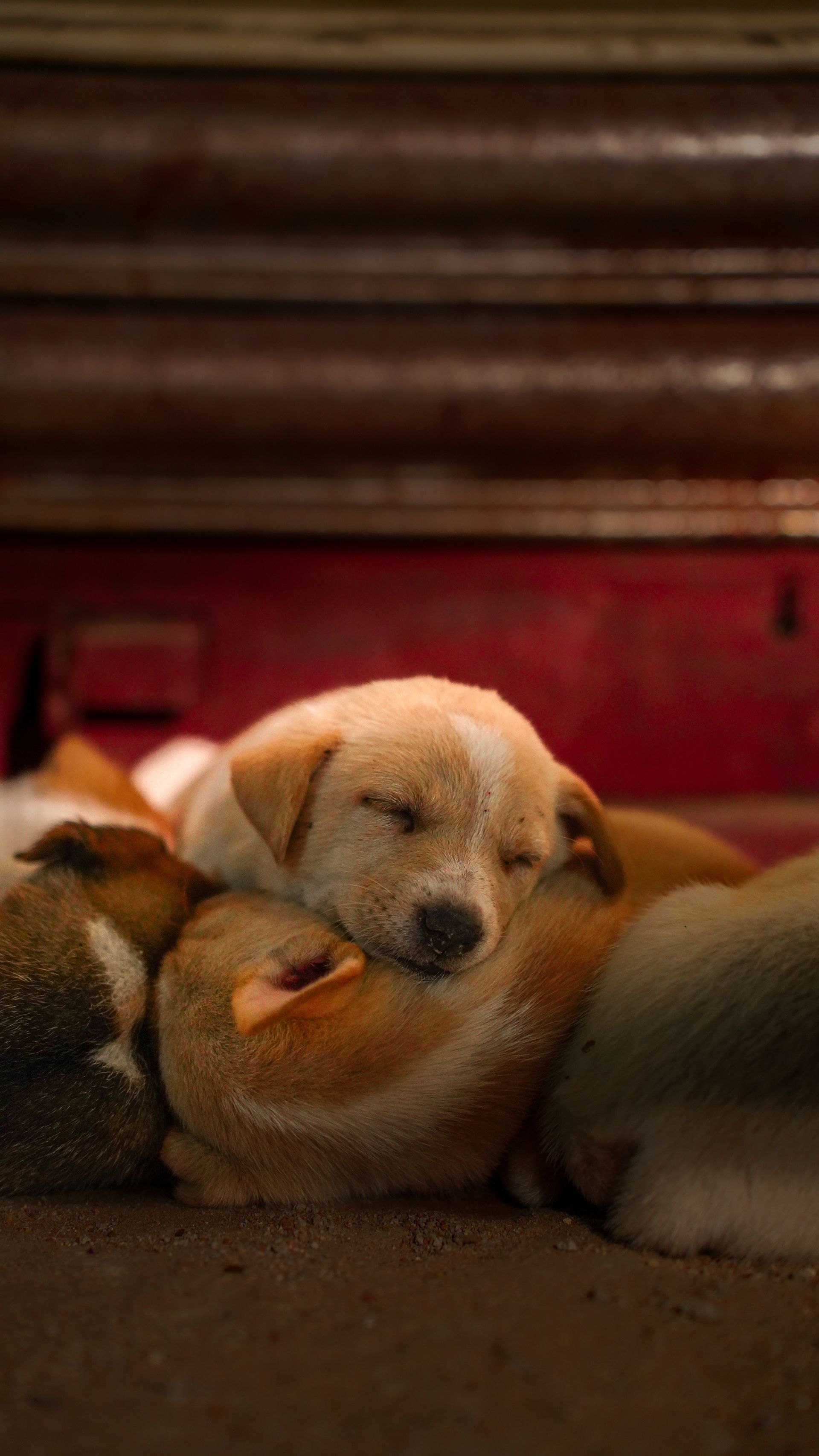
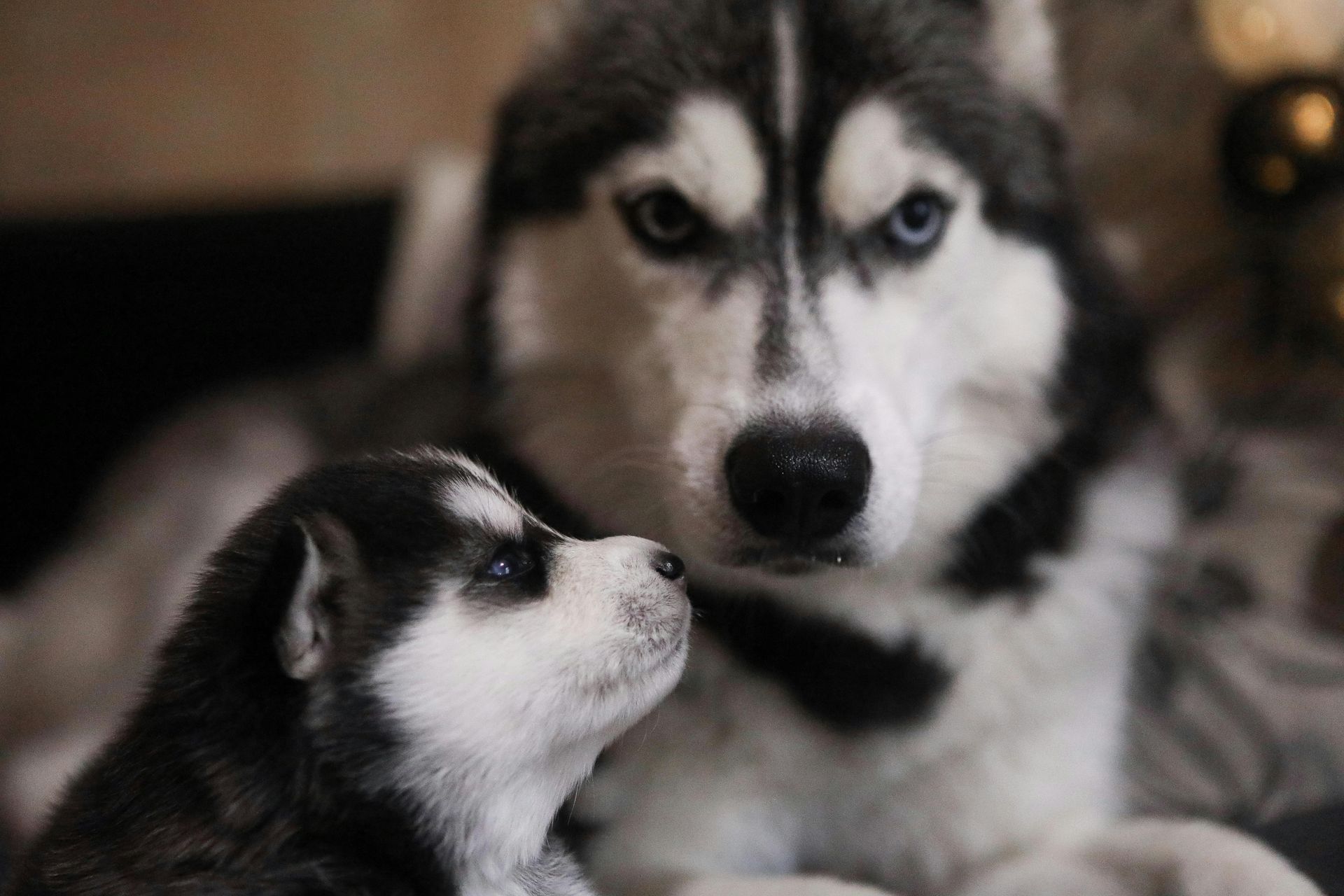
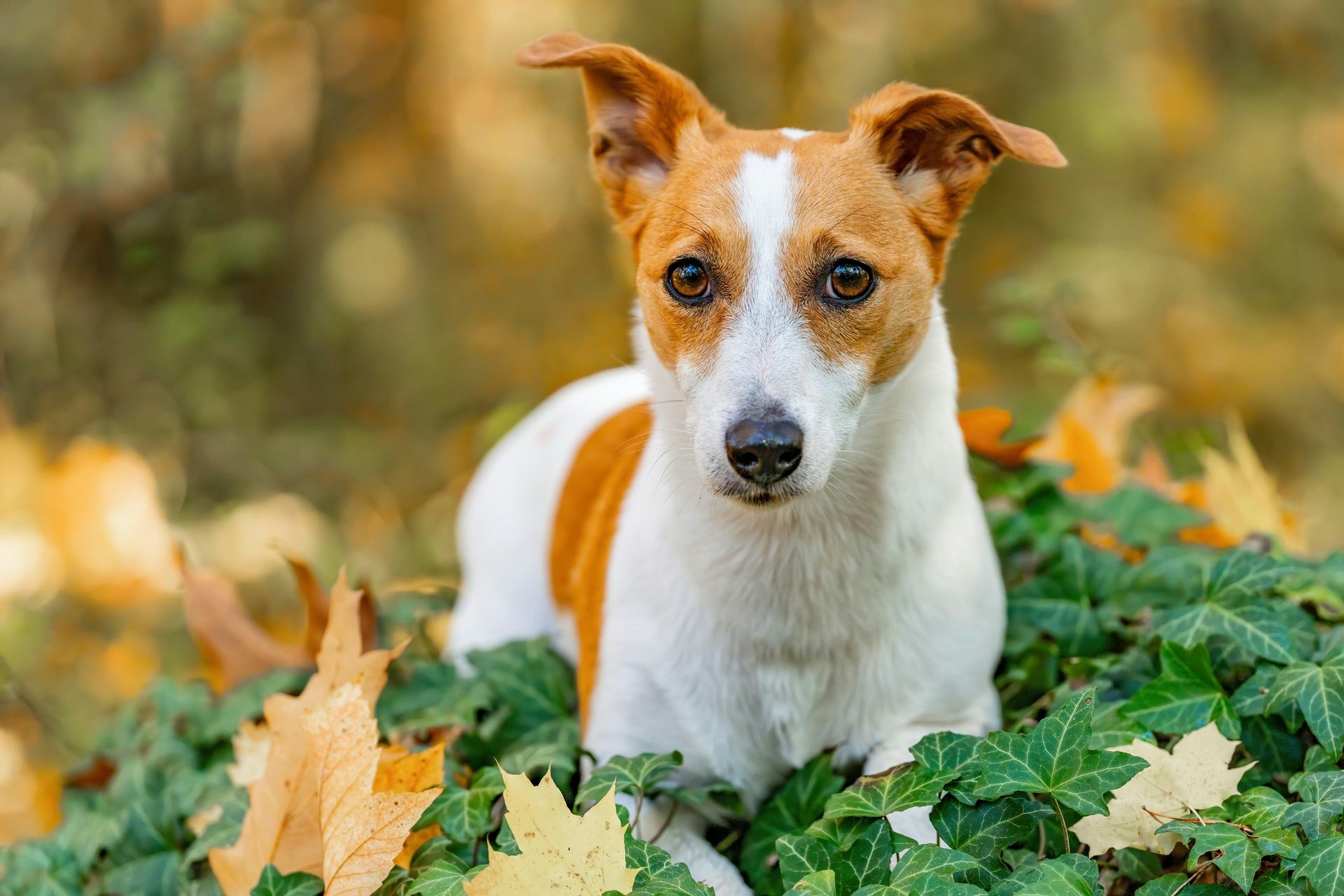
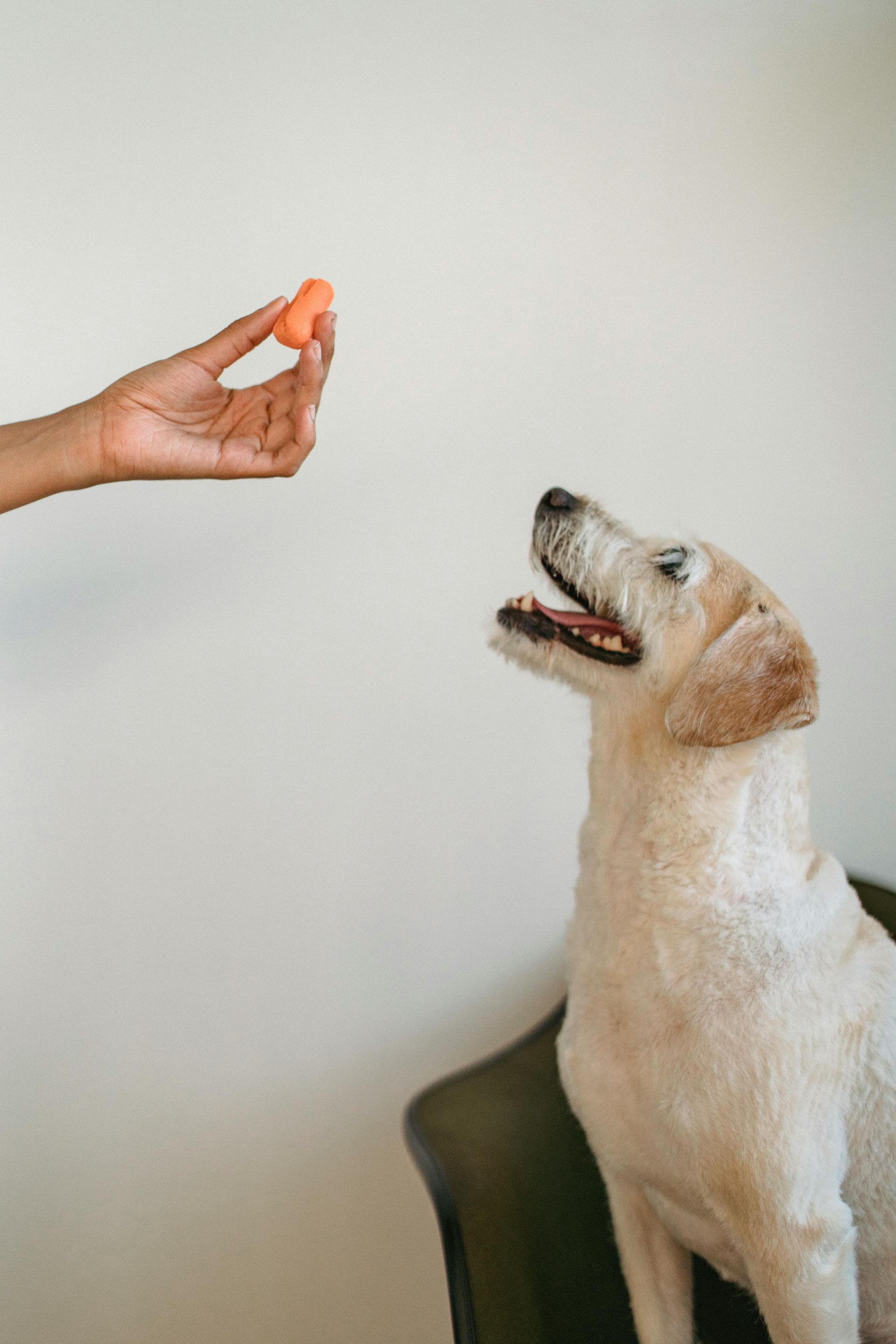
Sometimes management at home can be tricky if you have more than one dog, with this in mind I wanted to break down some options for you.


Over stimulation

Watch out for arousal spikes – this could be at meal times or going out, or being towel dried. Preparing dinner if your dogs have kibble, in small boxes can help reduce this over stimulation.

Sometimes a dog will bark and it can set the other dog off. Making a list of when your dog barks (i.e when post comes through the door), can be helpful so you can put management tips into place. For example, in some cases a postbox outside the door can work well.

Narrow spaces can be a place where issues occur.


Active training


Teaching a dog their name and a release cue which means you go out of the door now, can help rushing out of the door.


Resources at home


Having multiple separate resources (including water bowls) is key to reduce competition.


Thinking about your dogs ages and temperament


If you have a dog who is adolescent this can be a time they push boundaries and remember that even if a dog wants to play, an older dog may not want to. An older dog can be sore, less tolerant and experience sight and hearing changes.


If you are experiencing challenges, reach out and see how I can support you.


Reference: Roz Pooley, APBC Webinar, Management in Multi Dog Households


by Lisa Sinnott 8 September 2026
Is your dog regularly barking and lunging at other dogs on a walk? There could be a number of reasons this occurs including frustration at not being able to access a dog or if they are worried and saying move away
by Lisa Sinnott 1 September 2026
Reasons behind repetitive behaviour in dogs such as licking of surfaces can be due to a host of reasons. As a behaviourist it is my job to work out why it’s occuring!
by Lisa Sinnott 3 August 2026
Everyone Has an Opinion, But Confidence Doesn't Always Mean Competence
by Lisa Sinnott 27 July 2026
Information on mounting/humping
by Lisa Sinnott 7 July 2026
This is when a dog ingests non - food items such as rocks, stones, dirt, fabric.
by Lisa Sinnott 24 June 2026
A dog barking at night can feel frustrating and annoying – you know they need sleep and you need it too.
by Lisa Sinnott 15 June 2026
Here is some information about aggression.
by Lisa Sinnott 12 June 2026
If your dog barks, lunges, growls, or becomes overwhelmed around other dogs, people, or situations, you're not alone. Reactivity is one of the most common challenges dog owners face, and understanding why it happens is the first step towards helping your dog feel calmer and more confident.
by Lisa Sinnott 3 June 2026
Initia l meetings are like first impressions.= they count. Make sure the interaction is away from the house and in a neutral space. When they initially see each other have a treat ready to give but allow them to just watch each other too. Having toys on the floor (if your older dog does not guard can help take the social pressure off. Walking parallel with each other with both dogs on lead can help reduce frustration. If they engage in play, it should be mirrored and matched - always avoid any teeth on body parts. Coming home Dogs shouldn't be right next to each other on the way home. Just like we like personal space on a tube dogs's want this too! Here are some ideas that I got from Canine Arthritis Management for older dogs: If there is a back seat cover for mud an anti not slippy cover is important. Bolsters and cushions can help prevent moving around Harnesses to keep still when you go around any roundabouts can help too. Ramps and steps to get out of the car to prevent lots of pressure on joints ie caravan steps can help too At home Having a safe space for your older dog that your puppy cannot access is key. Feeding times can be over exciting. Just like, us all, older dogs need some tlc. Here are some home adaptations that can help:
by Lisa Sinnott 18 May 2026
Often people describe resource guarding and possessiveness over items when a dog has snapped or bitten.