Reasons not to use positive reinforcement in dog training
Bribery and more
· Your dog can have a lot of treats and obviously there is an obesity crisis happening for people and animals at the moment. Obesity is a new welfare concern listed by vets. One way around this is to treat your dog with food from their daily allowance such as their kibble.
· If you use a clicker or marker word during training and click/use your marker at the wrong moment you can mark the wrong thing. For example if you ask your dog to leave an item and then they do, and you give them a treat then click while they are eating the treat they may associate the click with eating rather than leaving. Therefore guidance on timing is really important.
· For dogs who have not learned impulse control they can jump up in anticipation of the treats. You can adjust your hand position to overcome this if you’re training loose lead walking. Rather than rewarding out of your hand when your dog walks politely you can put the treat on the floor. That way they are not jumping up in anticipation of the treat.
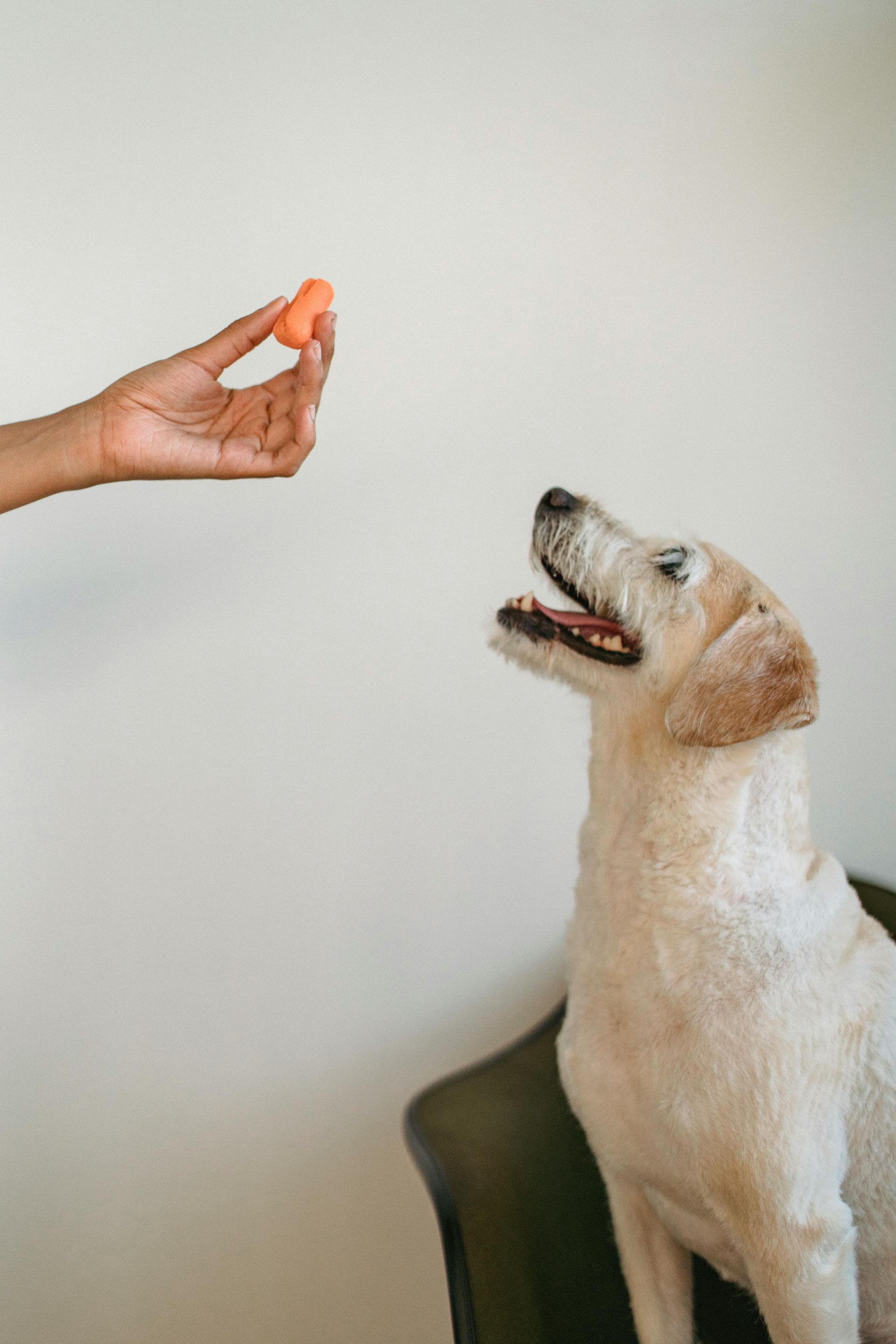
· If used incorrectly you can bribe your pet. If you show your pet the treat and lure them then this can be a form of bribery. You can fade out the lure however if it is needed in early stages. However if you reward them after they’ve done the behaviour (place treats in a bag so they can't see them) then this is reinforcement: they are getting paid after completing the task.
· If you treat the dog every single time then it can become very predictable and thus boring. It’s better to move on to a variable reward schedule – not giving a treat everytime – when you can.
· You need to generalise the pet to different areas for it to work. It is harder to come away from 6 dogs than two. That’s why shaping (rewarding for small approximations) is important.
Positive reinforcement works, is kind and safer than alternatives. It's been used with zoo animals successfully but above are some things to watch out for and consider. I'm studying animal behaviour at university and have been informed about all of the different training methods. I use positive reinforcement alot in my training.
Here are definitions of the different forms of training.
Positive reinforcement – adding something to make a behaviour more likely such as food.
Positive punishment – adding something to make a behaviour less likely such as yanking on the lead or a loud noise.
Negative reinforcement – taking something away that is unpleasant when a dog adheres. Such as a choke chain loosening when a dog walks without pulling.
Negative punishment – no longer giving treats or stopping attention.
For something to be rewarding – it has to be thought of as rewarding by the individual. If a dog is given food but they find play more rewarding they may egnore food, therefore higher value food may be needed/ or a toy that they love. Similarly for something to be punishing it needs to be thought as punishing by the individual. You may have to escalate punishment which is a huge welfare concern as you could really hurt an animal using it and lead to physical and emotional damage.
Read more here.