If you had a difficult Christmas
Christmas can be a difficult time for many reasons: lack of routine, new visitors coming into the home, lack of sleep, more noise.
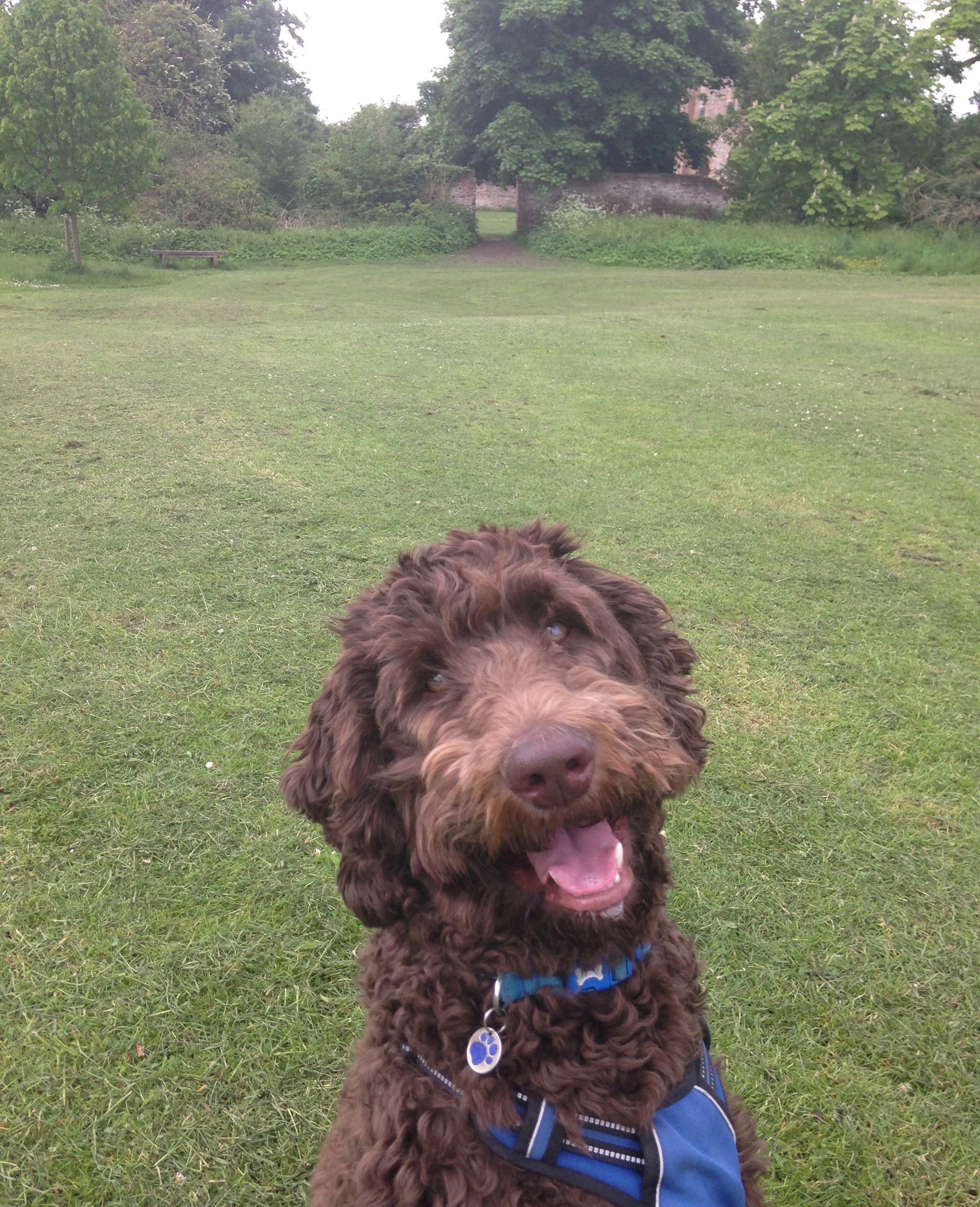
If you had a difficult Christmas with your dog
Dogs can be affected by these changes and quite often stress/trigger stacking can occur. This is when little stressors stack up and lead a dog to react in a way that they may not normally do, hadn’t the other stressors occurred. This behaviour could look like barking, growling or snapping.
Here are 4 things to remember about stress in dogs
Others can’t decide what is stressful for a dog
Stress is subjective, what another person thinks a dog ‘shouldn’t find’ stressful isn’t fair or just. This is the same as something stressful happening to us and someone telling us to just get over it! A dogs temperament can affect how things land on them, so for one dog, a busy place such as a garden centre where Father Christmas is can be really scary, while for another it’s perfectly fine.
Decompression is key
It is fine to have a day off from walks if your dog has found them particularly stressful. Walks can be unpredictable – lots of people and encounters with dogs. Scentwork in the garden and the home stimulates sniffing which can be relaxing for so mant dogs. Be mindful that for some dogs who are brachycephalic, sniffing can be harder to do, so tailor this activity to their needs.
A growl is a warning sign
A growl can be a dogs way of communicating that they want space or are feeling uncomfortable. It is a body language sign that is helpful – otherwise the next step could be a snap or bite.
Body language signs can sometimes be missed by people
A dog can show signs that they are uncomfortable by yawning, licking their lip, raised hackles and moving their head away. Respecting these signs can mean a dog learns that they work and are more likely to use them next time.
Christmas can be hard. Make sure you are looking after yourself too.. you can’t pour from an empty cup.
If you’d like to find out about how I can support you, please reach out to book a call hello@stpawstrainingacademy.co.uk