You will want to read this if you are struggling to get your dog out of water
Water is very appealing for dogs and can be oodles of fun! It's tricky when we need to get home for that meeting though!
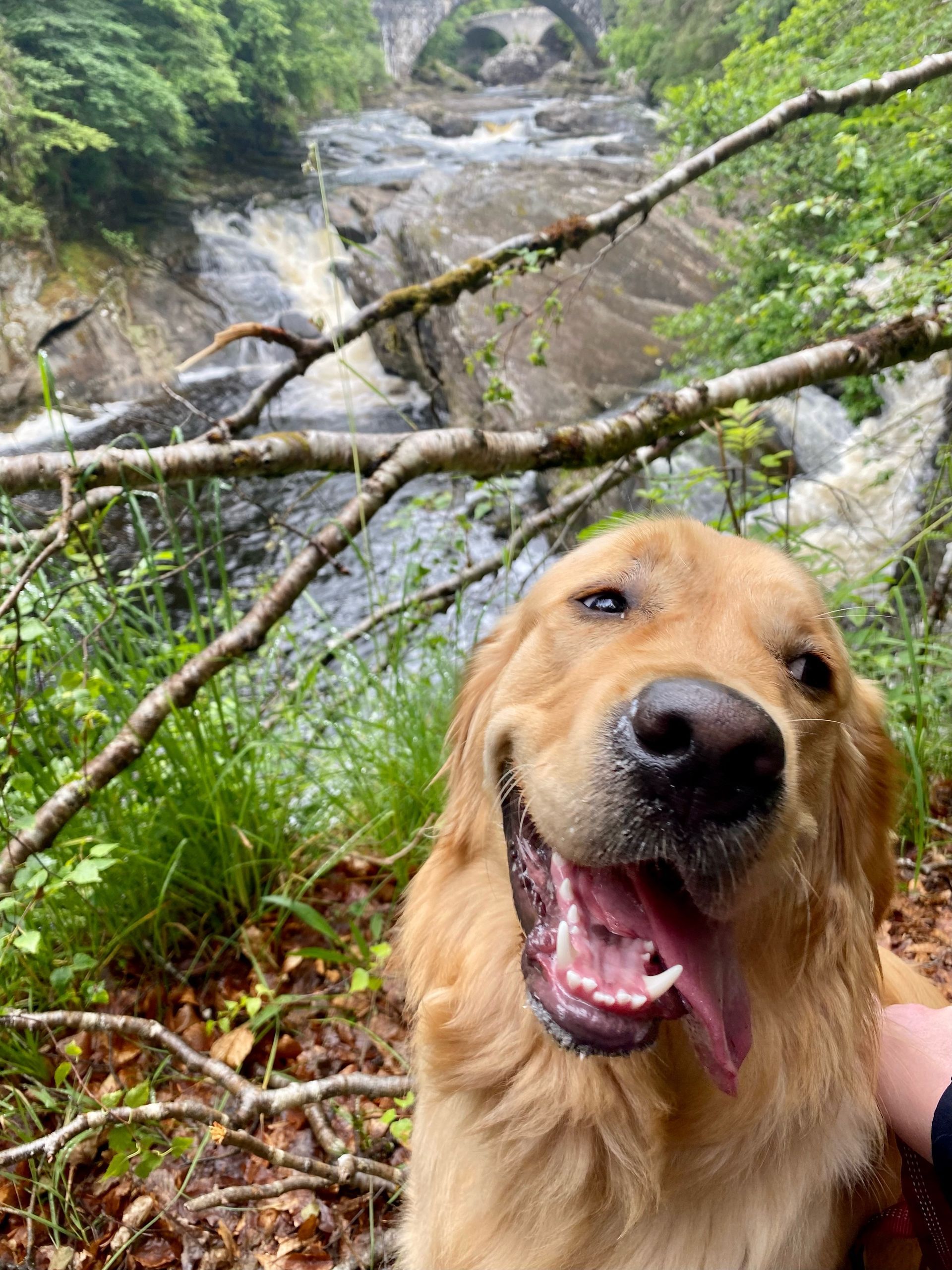
Obviously, anyone who is walking your dog needs to be mindful of water based risks such as blue -green algae – keep your dogs away from water that has this as it can be life threatening.
Here is a guide to water, recall and your dog.
Start by training your dog to respond to a whistle.
To do this you blow the whistle for 3-5 pips and then immediately feed your dog their dinner. Do this inside every day for a few weeks. Then test it out: when your dog is in another room blow your whistle and see if your dog comes to you. If so you have built an association with the whistle.. inside anyway! This needs to be proofed outside too.
Firstly, as with all training, don’t rush into the deep end! Start with shallow water. Recall your dog with your recall word that you have already established. If you haven’t done this, stop reading and download the guide here. Run a few yards away and call your dog (movement can make it fun for them and encourage them that it is fun being around you).
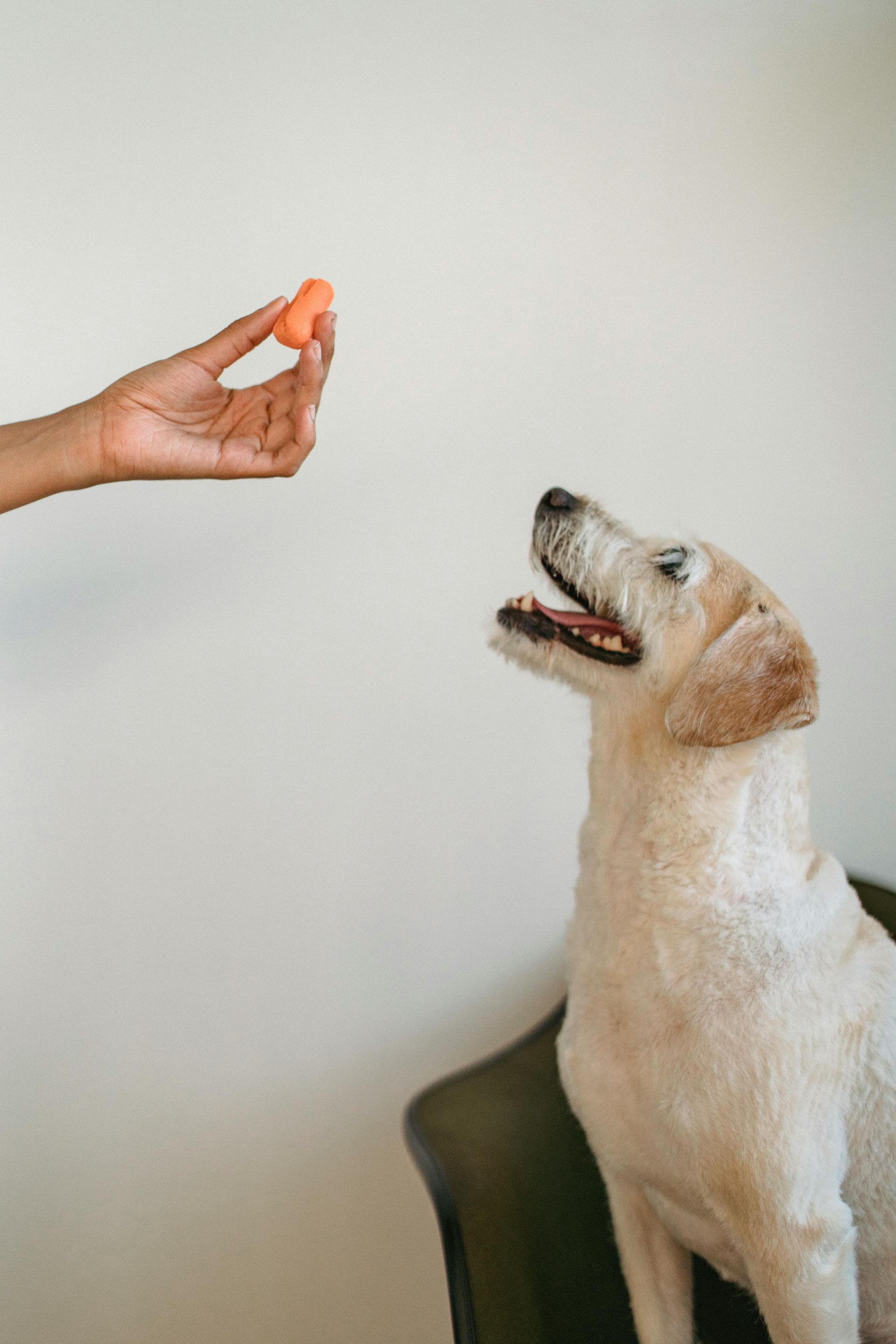
When your dog comes out of the water give them a big reward – liver paste or warm chicken are often very popular! Utilising a biothane long lead can be helpful too as it doesn’t get all wet and soggy. However you don’t want to use this with deep water as it could get tangled.
Start with super short recalls (i.e when they’re not shoulder deep in water).
Mistakes to avoid
· Don’t use a long lead in deep water (it could get caught)
· Don’t have a buckle collar as this could get caught too
· Don’t go home straight after recalling your dog from the water (this can result in the end of the fun)
· Don’t blow your whistle unless you have built up a solid association with it
· Don’t keep blowing it if your dog is not responding – remember the whistle results in a good outcome – food!
Adapted from Total Recall by Pippa Mattison