Why fear and compliance is not the same as training dogs

24 August 2023

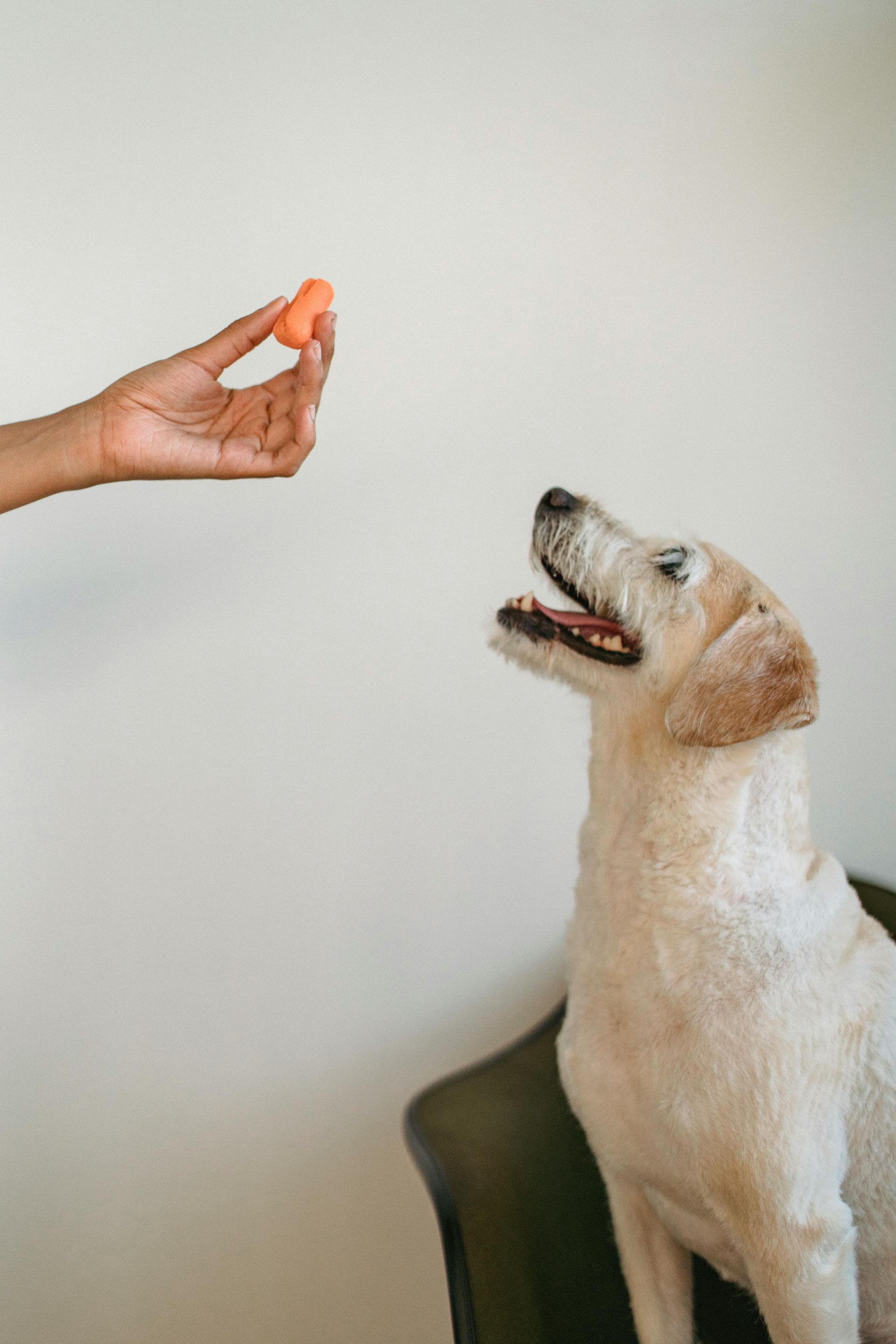
I sometimes hear people say that dogs are being stubborn, dominant and trying to get one over on us.

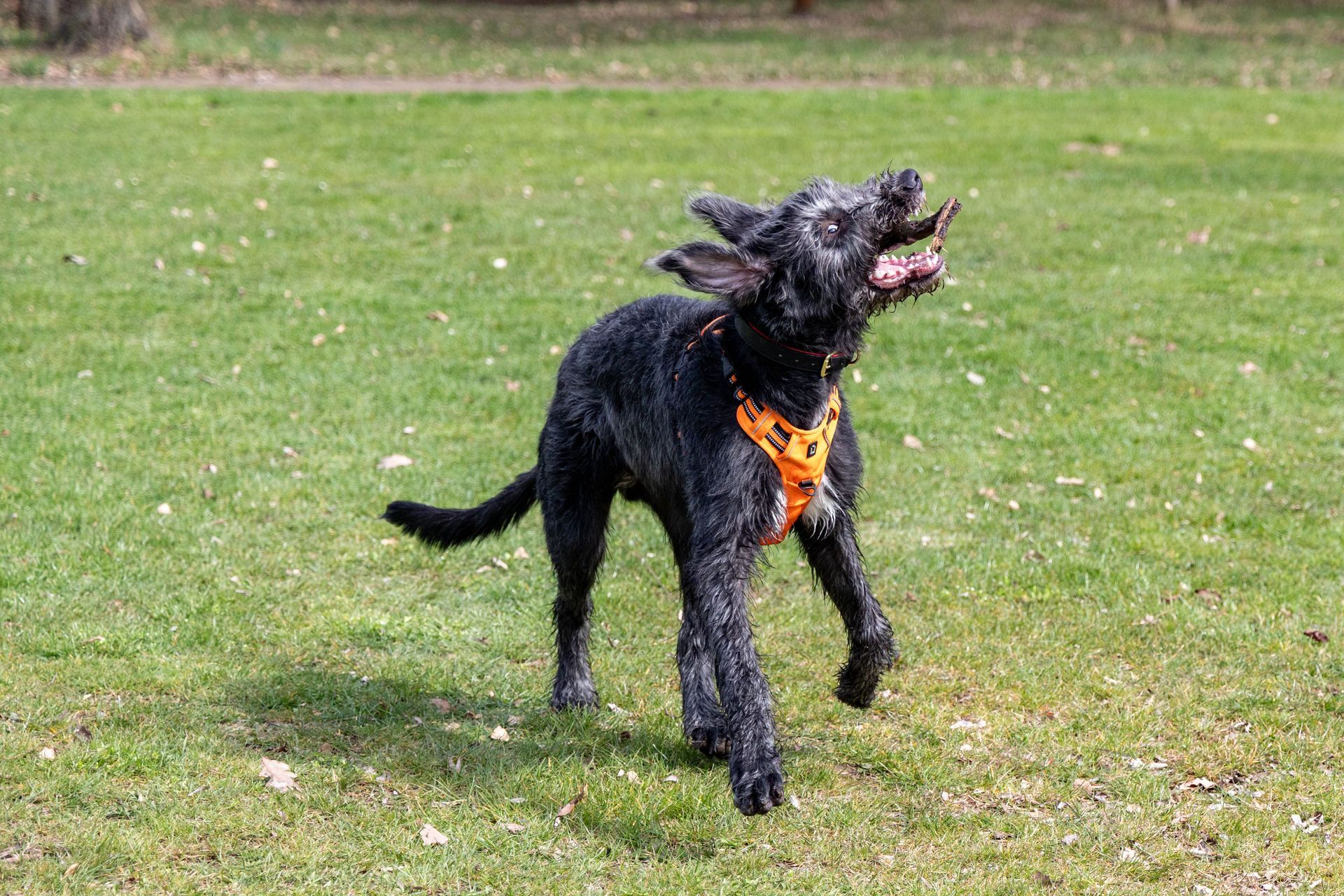
When dogs are puppies we may tolerate their behaviour and state that they’re just a puppy and still have time to learn. However when a dog hits about 5 months old our tolerance towards their behaviour is often shorter. The selective deafness, jumping up, chewing items, not coming back when called is sometimes deemed as refusal to listen. The adolescent period, is sadly, the time when most dogs get relinquished to a shelter as people cannot cope with their behaviour any more. People may tell you you need to give them a firm hand and show them who’s boss. This is wrong.


During the adolescent period there are massive brain changes. This makes everything so much more exciting than ever before. Dogs at this age really lack impulse control. They are not trying to punish you, and their behaviour  is not pre-meditated. This time, although hard, needs to be a time of understanding. Helping dogs by going to a calmer environment and setting them up to succeed doesn’t mean we are ‘making a rod for our own back’ or ‘being soft’. It shows that we understand dogs and their behaviour and want to help them and keep them safe. Punishing them by tapping them on the nose can lead to aggressive behaviour. Time out’s can build frustration. We also cannot communicate to them why we are doing this, so a hand punishing them can be intimidating and scary and lead them to fear hands.  This can damage the relationship and sever bonds.


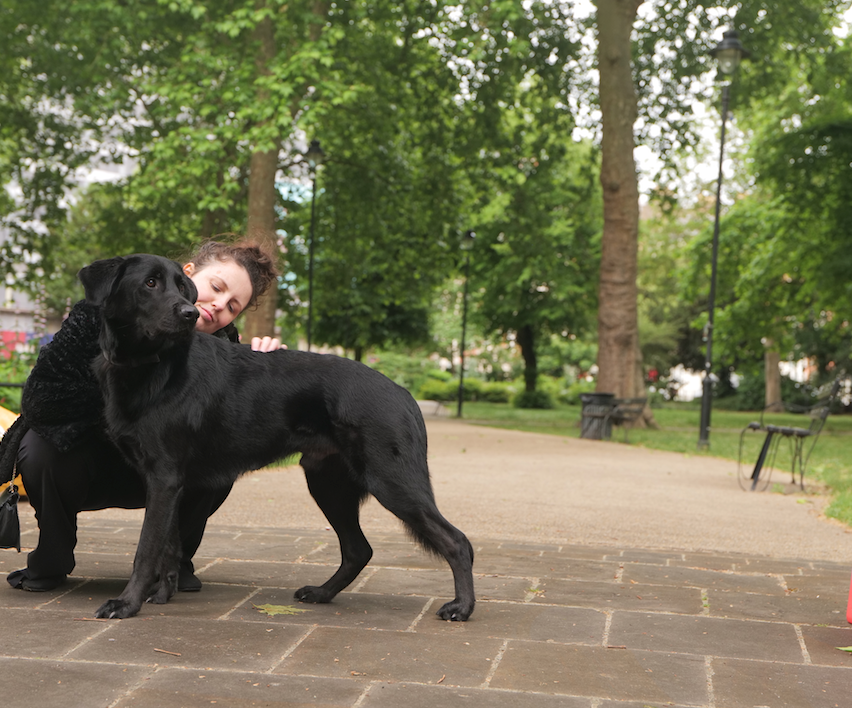
Connection not correction is so vital at this stage. Compliance through fear can lead to dogs who are more unpredictable as they shut down. Allowing a dog to rehearse a behaviour during adolescence may result in an engrained behaviour.


by Lisa Sinnott 30 January 2026
Some dogs do it for hormonal reasons others due to behavioural. Reasons behind humping can include hormones, anxiety, tension attention seeking, frustration, eliciting play or displacement behaviour when stressed. Filling out the diary can help pinpoint more triggers and look at what is happening.
by Lisa Sinnott 30 January 2026
Children and Dogs: A Guide to Safe and Happy Relationships Having a dog in your family is exciting and fun, but it’s important to teach children how to interact safely and kindly with their furry friend. Puppies and young dogs are still learning, and we need to help them grow into happy, well-behaved companions.
by Lisa Sinnott 30 January 2026
You may have heard that you have made a 'rod for your own back' with your dog, or 'spoiling' them has caused separation anxiety. I am here to tell you, that this is not the case. Dogs from breeders and rescued dogs can experience it. Separation distress can be caused for lots of different reasons. These can include:
by Lisa Sinnott 30 January 2026
Understanding Pica in Dogs: Why They Eat Non-Food Items
by Lisa Sinnott 29 January 2026
Sound sensitivities can be distressing for us to watch.
by Lisa Sinnott 27 January 2026
Many trees can be dangerous if a dog eats them which many dogs can do.
by Lisa Sinnott 19 January 2026
Sometimes management at home can be tricky if you have more than one dog, with this in mind I wanted to break down some options for you.
by Lisa Sinnott 12 January 2026
It is thought that in chronic stress that the part of the brain responsible for learning and memory – the hippocampus – has shrunk.
by Lisa Sinnott 7 January 2026
Introducing dogs to one another
by Lisa Sinnott 15 December 2025
Not all muzzles are made the same. Fabric one’s can inhibit panting, and can easily be torn on branches and some hold a dog’s mouth shut – uncomfortable and mean they cannot pant.