Why is my puppy not walking when we go outside?
There can be lots of different reasons why a puppy may not be walking. I’ve had this question quite a few times. Many puppies won’t walk outside but will run home when they reach their street.

People have described it to me as “their puppy being stubborn” or “their puppy feeling overwhelmed” and just not knowing what to do when they won’t walk.
When you are outside with your puppy it may feel overwhelming to know what to do: you may coax them with treats, pick them up or just stand there – you may worry that they are not getting the exercise they need.
Here are 3 considerations when your puppy is not walking
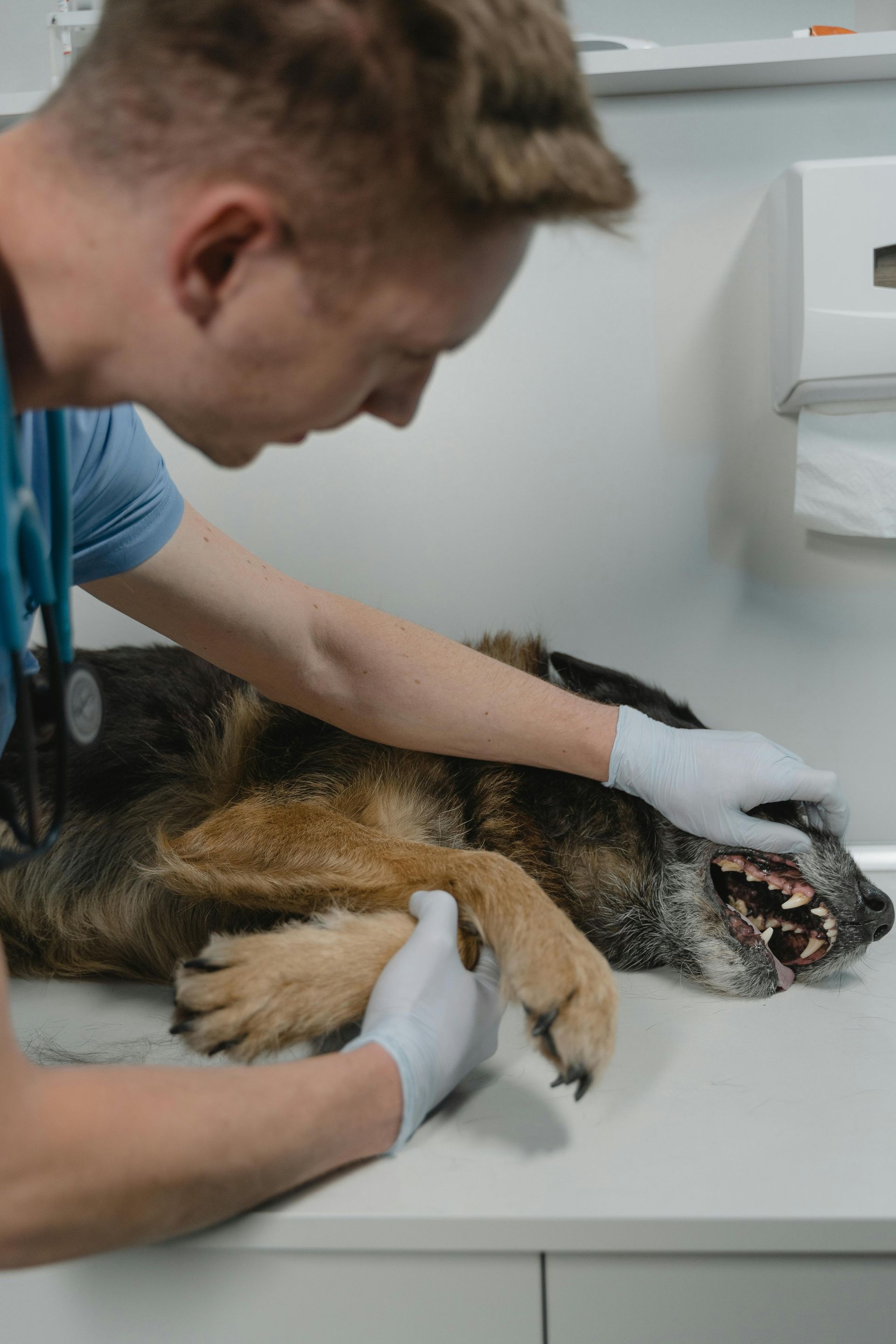
Your puppy may be in pain – some smaller breeds can suffer with luxating patella’s and some bigger breeds with hip dysplasia.
Your puppy may feel overwhelmed – there are a lot of sights, sounds, and surfaces outside. Wheels are right next to their ears – dogs have incredible hearing! Traffic can be loud and people may be rushing past. They may be going into freeze mode – this is when they are feeling fearful and therefore immobile.
Your puppy may not be used to the different surface beneath their sensitive paws. It’s really important to build confidence around shiny, stony, sand and carpet and other textures and surfaces.
The socialisation window
A puppy’s socialisation window is small – the critical window is thought to be 3-12 weeks long. This doesn’t mean that socialisation does not happen after this window but if a puppy has not experienced certain elements during this time then they may be more fearful of them later on. Socialisation experiences matter – it’s not about exposing a puppy to as many things all at once for long periods – this can sensitise them (make them more sensitive). Short and positive experiences are what matter. A garden centre can be a good way of seeing other dogs, people and sights, in a calm way.
Free for all situations where a puppy is pinned down and bundled with other puppies of different sizes and play styles can be scary and emotionally damaging.
In my puppy class, myself and colleagues are trained in dog body language and can help you spot signs that a puppy is feeling happy or needs some support.
You can book 5 weeks of puppy class with toilet training content for £130 here.
What socialisation experiences to think about
Try and envisage what your puppy will do with you in the future.
If they may travel to London with you to work then do a short stint on the train to Radlett and back from St Albans (or the next stop wherever you may live).
Remember that there are socialisation sounds that you can get online. If your puppy is scared, give them space and let them explore in their own time. Shyness is very normal.
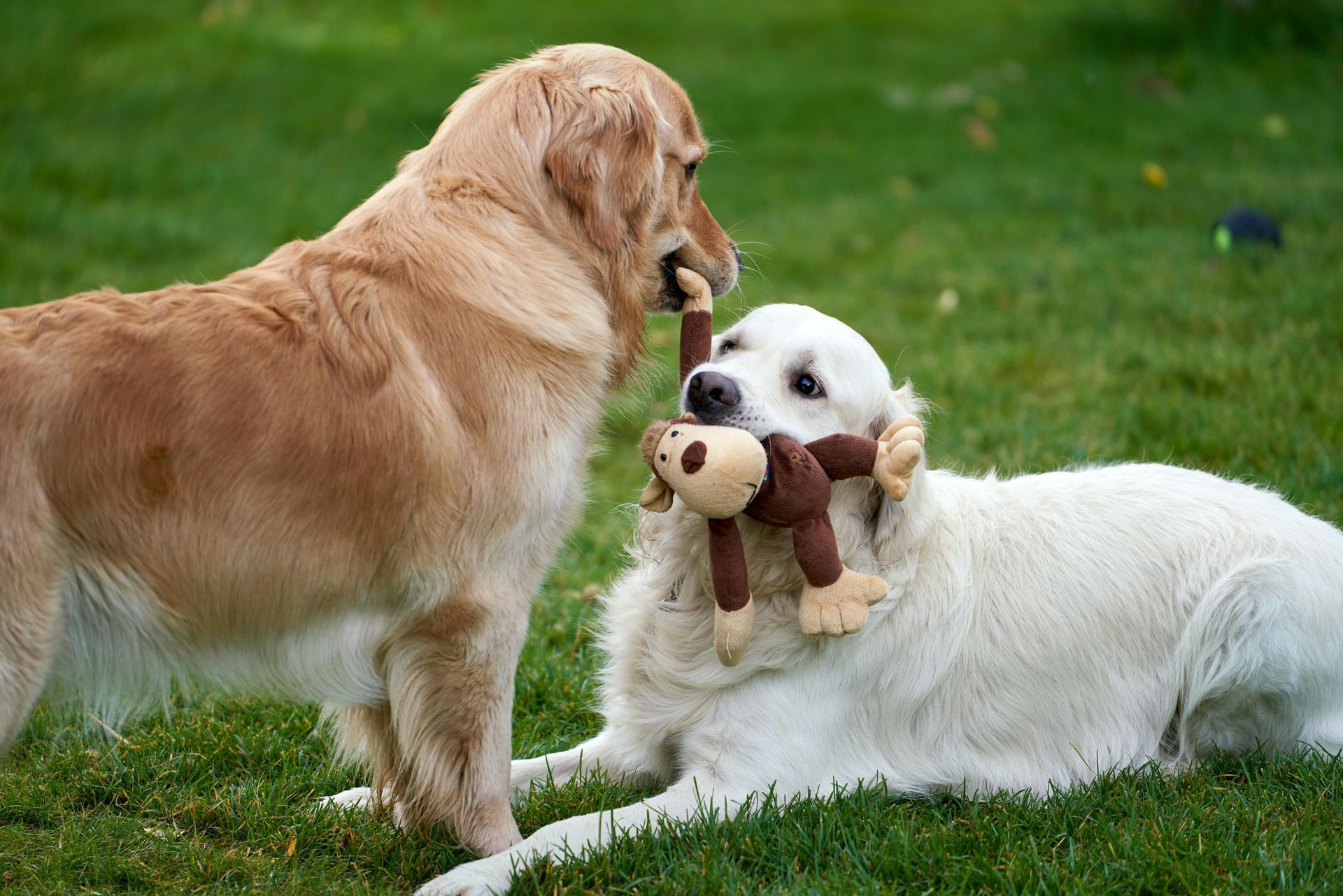
Even though your puppy has been with their brothers and sisters this does not equate to being around other dogs.. it’s really important that they get the chance to do this safely.
It’s been wonderful to see the puppies in my puppy class grow in confidence.