Why do smaller dogs have a reputation for being reactive?

5 March 2024

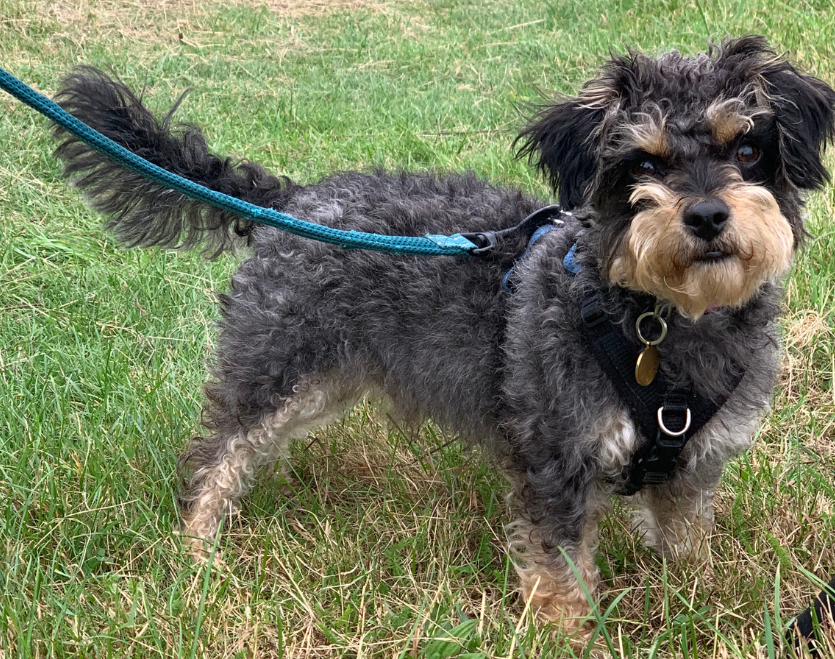
Smaller dogs are often described as having ‘little man syndrome’. If they snap or growl some people will often state that they are ‘sassy’ and laugh it off. I have some adorable smaller dogs that have attended puppy class and the first time I met them my instant desire was to pick them up and cuddle them. However, they don’t know me and I know it’s not sensible so I resist the desire to do so!
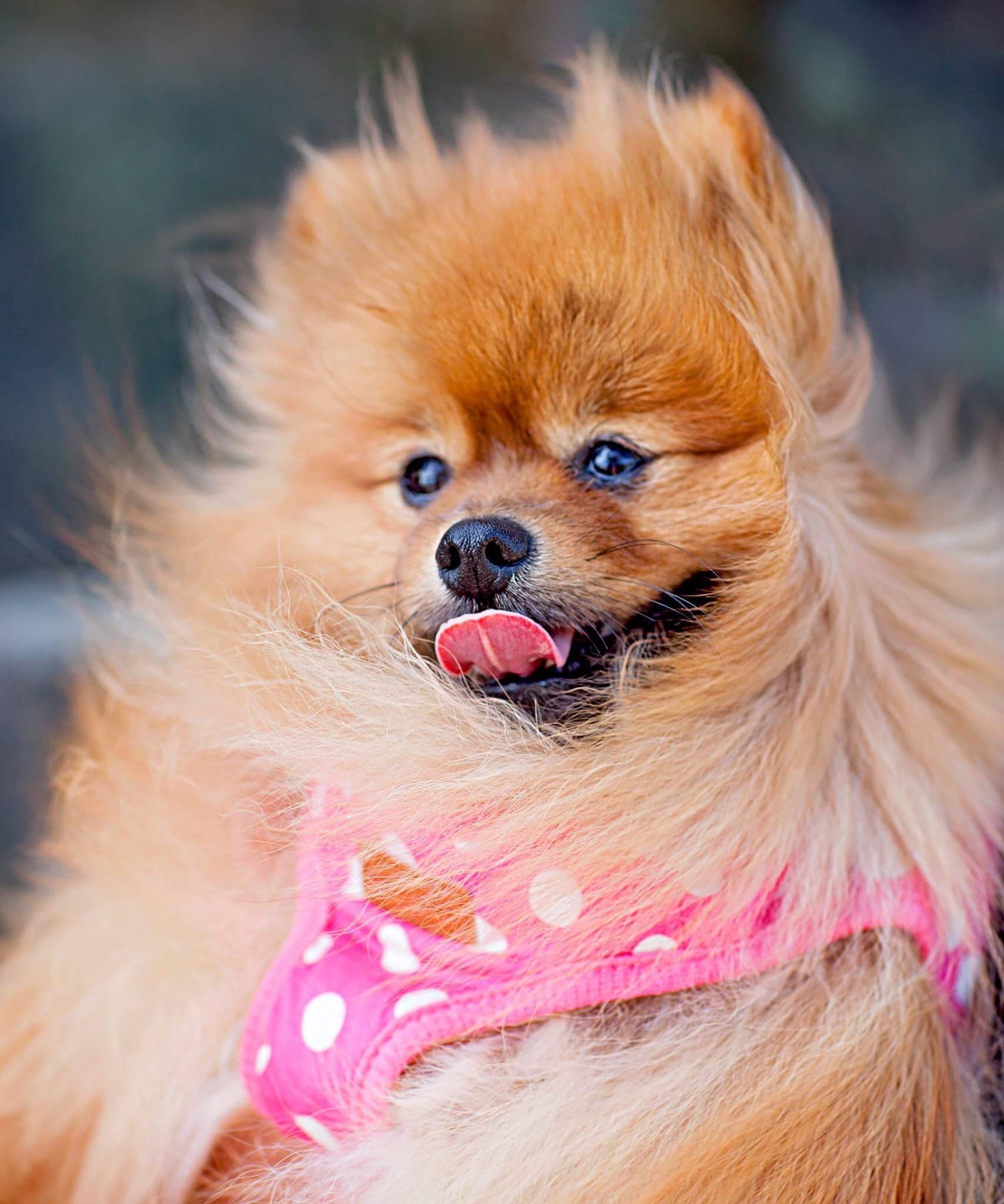
Quite often because of their miniature appearance smaller dogs have to put up with strangers picking them up, grabbing them or stroking them without permission. This is not ideal for a number of reasons – a dog may be scared of people, they may be in pain, and having a stranger pick you up is very different to someone you know lifting you in their arms. Without a strong reinforcement history of good experiences with that person (such as treats, praise, or touch that is enjoyable), it is not surprising why many dogs do not enjoy it. If attempts at space are routinely ignored, such as moving away looking away, showing the whites of the eyes or other body language on the ladder of communication it is likely that a dog will resort to higher levels of behaviour such as growling, snapping or even biting.


It’s important that smaller dogs are able to assess and make a choice in regards to interacting with people in the park. There are things that can be done to build confidence around people but picking up a dog and stroking it when they’re scared will not magically cure them of their fear – it is likely to reinforce it.


What can be done to build confidence instead?


·     Remembering that dogs have an incredible sense of smell is important and that sniffing is information gathering – it does not mean they instantly want to be petted. Allow a dog to sniff and explore and retreat if they want to.


·     See if the dog wants to interact by allowing a person to pat their knees to see if the dog wants to come over.


·     Use consent petting with new people so that the dog is not feeling overwhelmed and can move away if they want to.  With consent petting you stroke a dog for three strokes then take the hand away to  see if they want the interaction to continue – if they don’t then you stop the stroking. It’s important that the dog is not on a short lead and can easily move away.


·     Watch out for body language signs that they are feeling uncomfortable and assess it.


If you'd like to find out how I can help you, you can book a consultation.


by Lisa Sinnott 21 April 2026
Having a dog who shows reactive behaviour can leave you feeling tired, on edge and emotionally exhausting experience at times. It is really important to look after yourself. I hope these ideas help you.
by Lisa Sinnott 18 April 2026
Helping dogs who are nervous of sounds It can be really tricky and feel hard when your dog is feeling nervous of sounds that you do not have control over. They may freeze, startle, growl, try to flee, shake, drool or more. Here are some considerations if your dog is nervous of sounds. As well as the noise, there is the physical vibration too.
by Lisa Sinnott 15 April 2026
Have you ever wondered that even if scared why a dog will run towards something? If a dog is barking and lunging at something that they are scared of then surely they would avoid it... right? This isn't always the case!
by Lisa Sinnott 6 April 2026
Why Emotional Wellbeing Matters at the Vet When it comes to veterinary care, the focus is often on physical health—but a pet’s emotional experiences important If stress and fear are overlooked, it can shape how an animal feels about vet visits in the future. Negative experiences may lead to increased anxiety, defensive behaviour, or even the need for sedation during routine examinations. By considering how our pets feel, we can help create calmer, safer, and more positive veterinary visits. Chat to your vets about how they can support your dog.
by Lisa Sinnott 1 April 2026
Dog play what’s okay? You may have heard that you can be over zealous and you should leave dogs to work it out themselves but this is poor advice. Sometimes play can turn into something else so it’s important to be mindful of play signals. When a dog goes rushing over to another head on it can feel threatening – even if the intention is play. It can be hard to assess intention as the dog is likely to be moving very fast.
by Lisa Sinnott 4 March 2026
I know of many family members who have small children and dog and they live in harmony.
by Lisa Sinnott 30 January 2026
Some dogs do it for hormonal reasons others due to behavioural. Reasons behind humping can include hormones, anxiety, tension attention seeking, frustration, eliciting play or displacement behaviour when stressed. Filling out the diary can help pinpoint more triggers and look at what is happening.
by Lisa Sinnott 30 January 2026
Children and Dogs: A Guide to Safe and Happy Relationships Having a dog in your family is exciting and fun, but it’s important to teach children how to interact safely and kindly with their furry friend. Puppies and young dogs are still learning, and we need to help them grow into happy, well-behaved companions.
by Lisa Sinnott 30 January 2026
Understanding Pica in Dogs: Why They Eat Non-Food Items
by Lisa Sinnott 29 January 2026
Sound sensitivities can be distressing for us to watch.