What Dog Breed Is Right For Us?
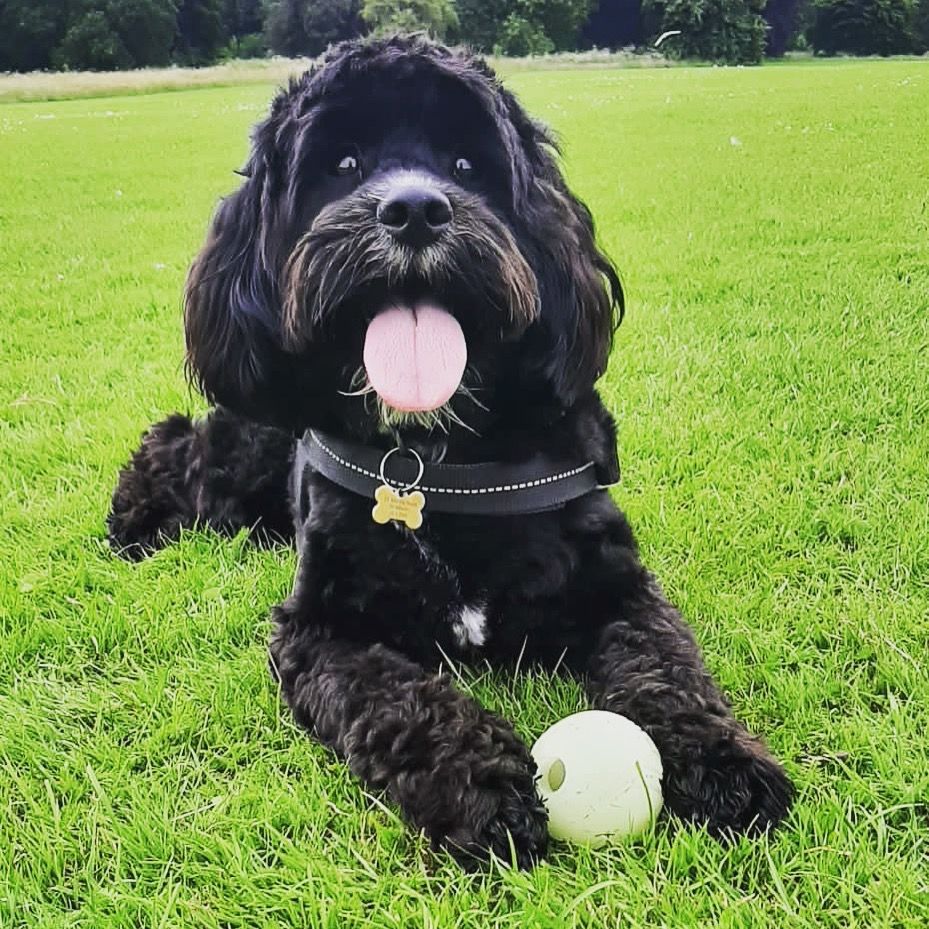
This will depend a lot on your circumstances and the time you have, as you'll know that will be the case for any breed of dog. You want to get things right.
PUPPY OR OLDER DOG: WHAT TO THINK ABOUT WHEN THINKING OF WELCOMING A NEW DOG HOME
Would a puppy or older dog be better suited to your family and what you can offer. This is a question that I think I should answer fairly for the considerations for each. Now, I need to be careful as a dog is not a robot and has emotions, feelings and temperament. Behaviour can change/develop based on experience, health and genetics but there are certainly factors with this in minds, that we can explore.
My pre – puppy and dog support service provides a service which involves asking questions to the breeder and rescue centre about different behaviours. You can learn more about different breeds over on the Polite Pup Club and how you can channel behaviours.
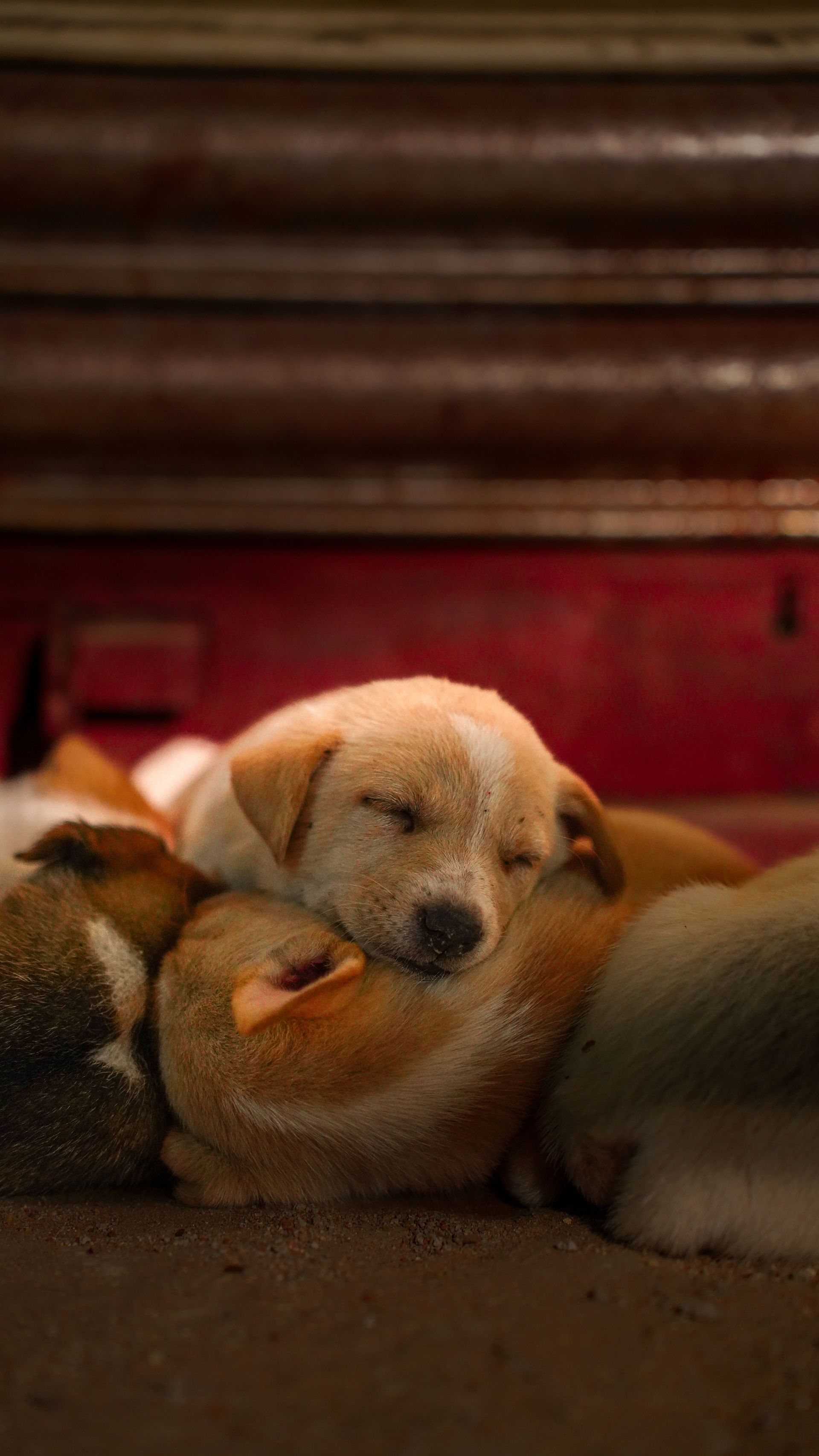
Puppies are special and many people make lots of plans to socialise them and habituate them to different elements they will experience. As they are so young they believe they have a window to socialise them so they are not reactive to things later on in life. This is true, however puppies are not blank slates and their genetics and early experiences can have an effect on their behaviour.
A puppy can:
· Nip because they are excited and teething. This can be very painful.
· Go to the bathroom inside because they have a small bladder. They will need to be toilet trained.
· Cry at night as they have been separated from their litter mates and mother.
· Pull on the lead, pick items up and not come back when called.
· Grab and pull on clothes.
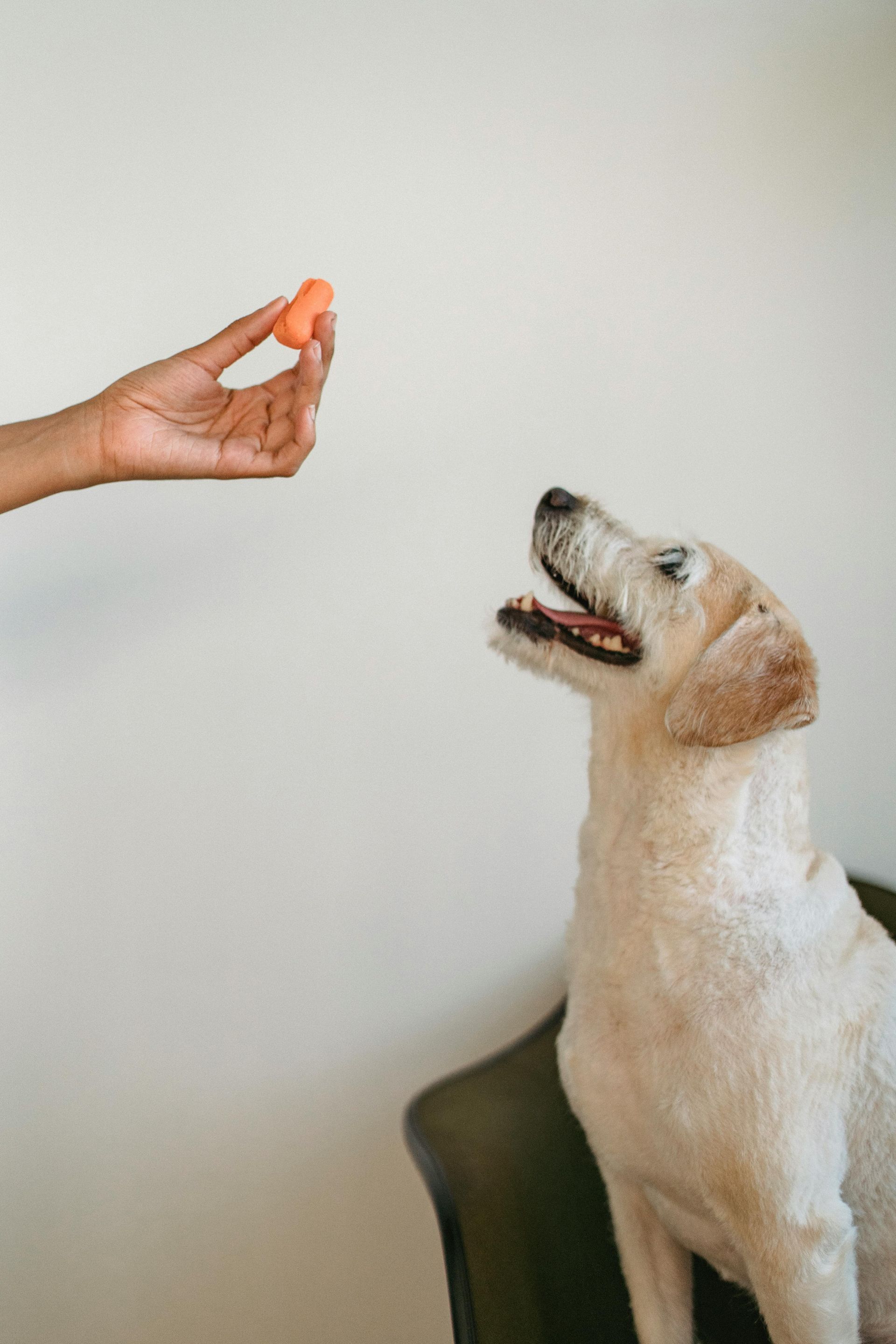
An older dog will often be toilet trained, have had obedience training and any challenges around dogs or nerves around noises or certain circumstances will have been identified.
It is hard to say whether a dog or puppy is right for you and your family as it all comes down to what your circumstances are and the individual dog. I would say to always consider what you want and what you don’t and make a plan for things that may arise in the future such as welcoming a baby home. For example you may want to train your dog to only come on the sofa when invited as you may be feeding your baby there.
My goal is to ensure I can help you make you aware of all the things to consider when welcoming a dog home. I can help you prevent or solve problems by passing on what I have learnt at university and with working with dogs so you and your dog have a happy life and relationship together. To view my services and how I can help you, check them out here.