What Different Breeds Of Dogs Are There And What Are Their Traits?

14 December 2023

Different breeds: different needs


Some of the breeds of dogs we have, have very different characteristics that they did hundreds of years ago. For example, pugs look very different compared to the way some of them look today. Sadly, they have been bred for extreme features that have caused all sorts of health challenges such as brachycephalic obstructive airway syndrome. Some find it very difficult to breathe and need operations on their stenotic nares (narrow nostrils). Artificial selection based on looks alone can have an effect on behaviour and health.  


There are different breeds of dogs that have been placed into different groups. Some of them have similar characteristics and behaviours. They are:


Hounds – Sight hounds hunt by sight and are capable of great speed! Recall is a big consideration here. Scent hounds hunt with their nose and track scent – a garden that is enclosed is imperative.


Hounds include the Saluki, Beagle, Afgan, Whippet and Daschund.


Gundogs


Gundogs have been bred to assist with hunting. They tend to use their sense of smell to locate game. They often freeze and lift their paw when they see game. They have floppy ears as hearing is not their prominent skill.

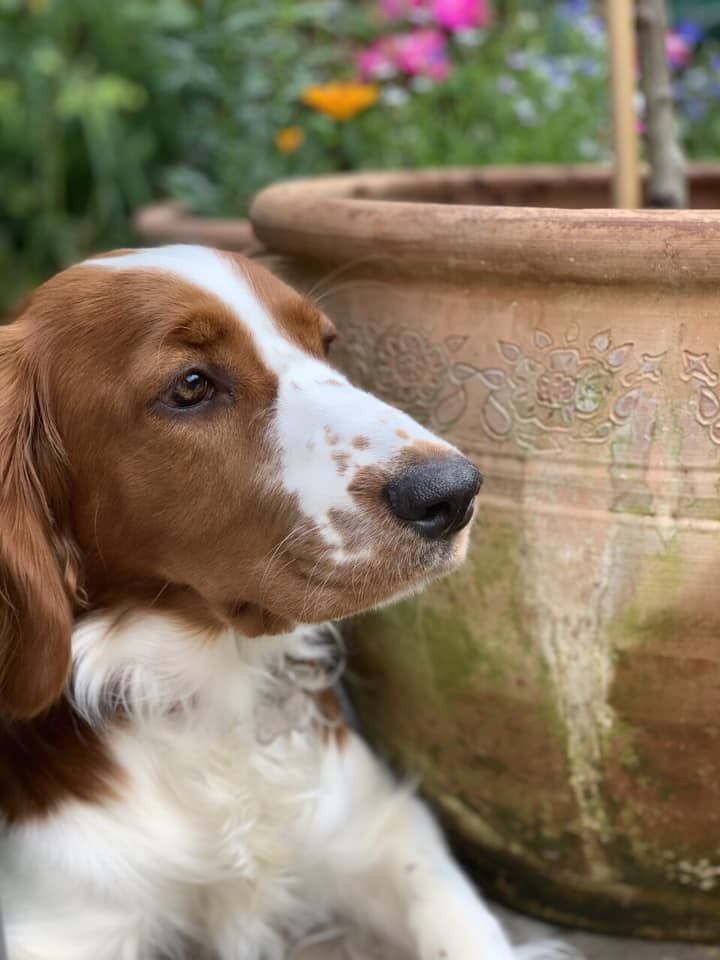
Gundogs include the Golden Retriever, Hungarian Vizsla's and the Welsh Springer.


Utility


The breeds have been designed without a specific task in mind. This includes the Dalmatian (which was a carriage dog – they run beside a carriage), Japanese Spitz and Keeshond.


Working


These are dogs who have a particular task. They include the Bermese mountain dog – these dogs rescued people in avalanches.


Pastoral


A pastoral dog such as the Shetland sheepdog or collie was used for herding sheep. Pet dogs should be kept away from sheep as a farmer can legally shoot a dog that is worrying their sheep.


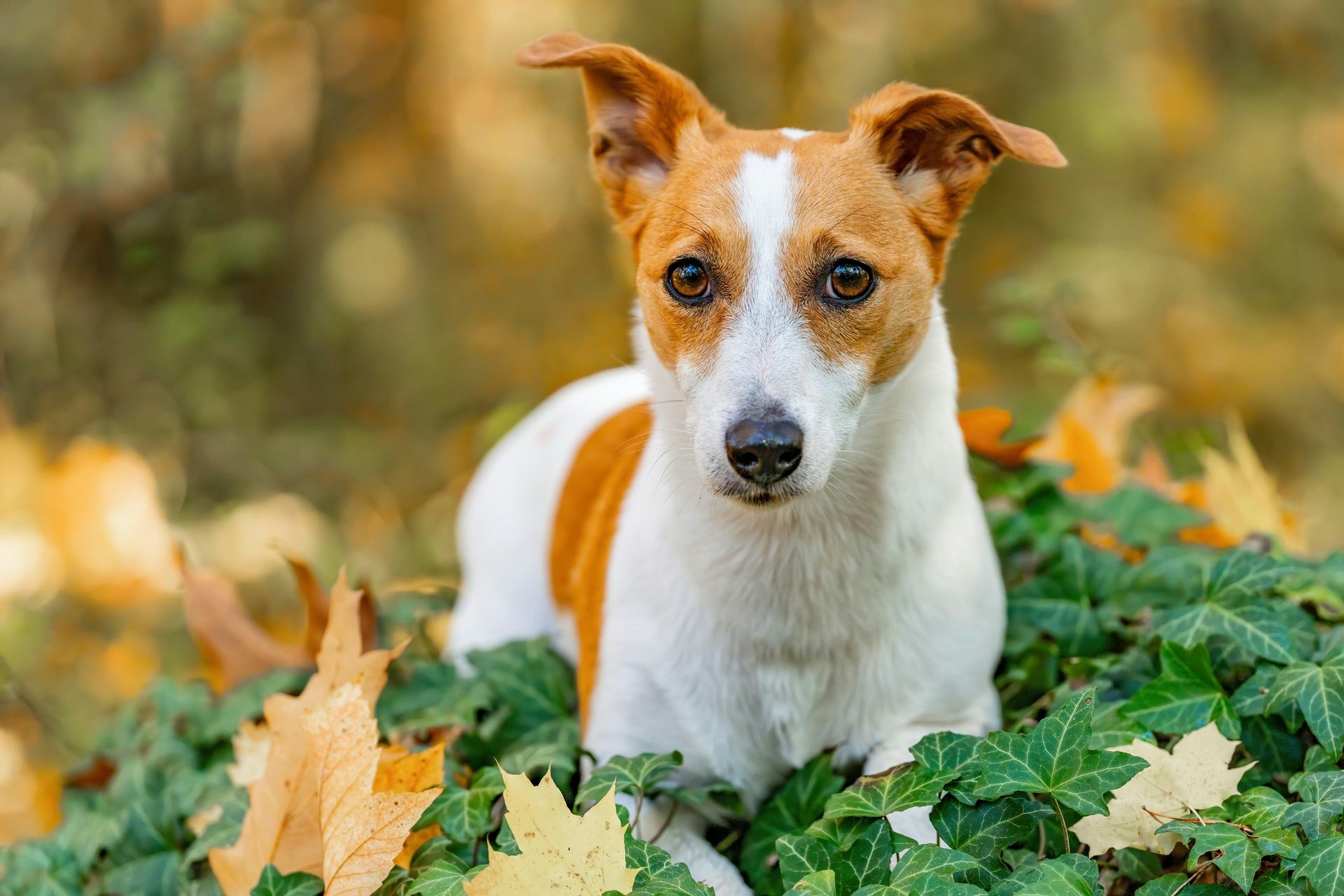
Terriers – They have been trained to hunt things such as rats, and enjoy digging. They can be very active dogs. Terriers include the Cairn, Bedlington and Parson.


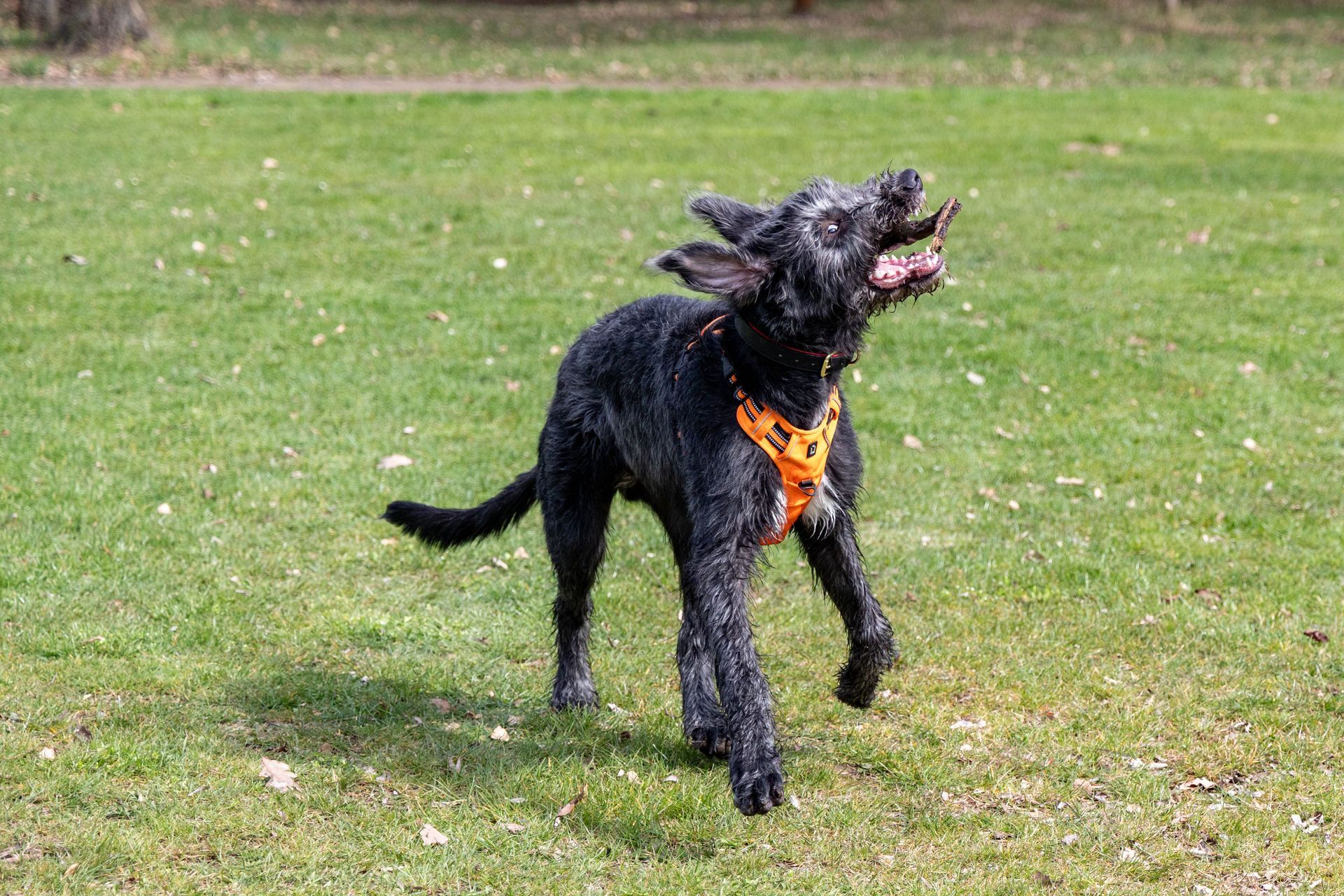
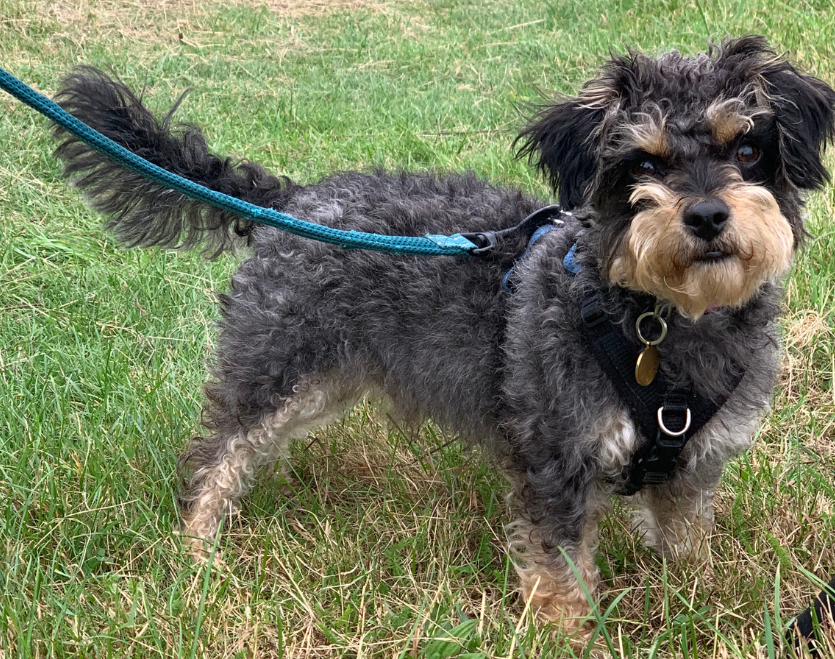
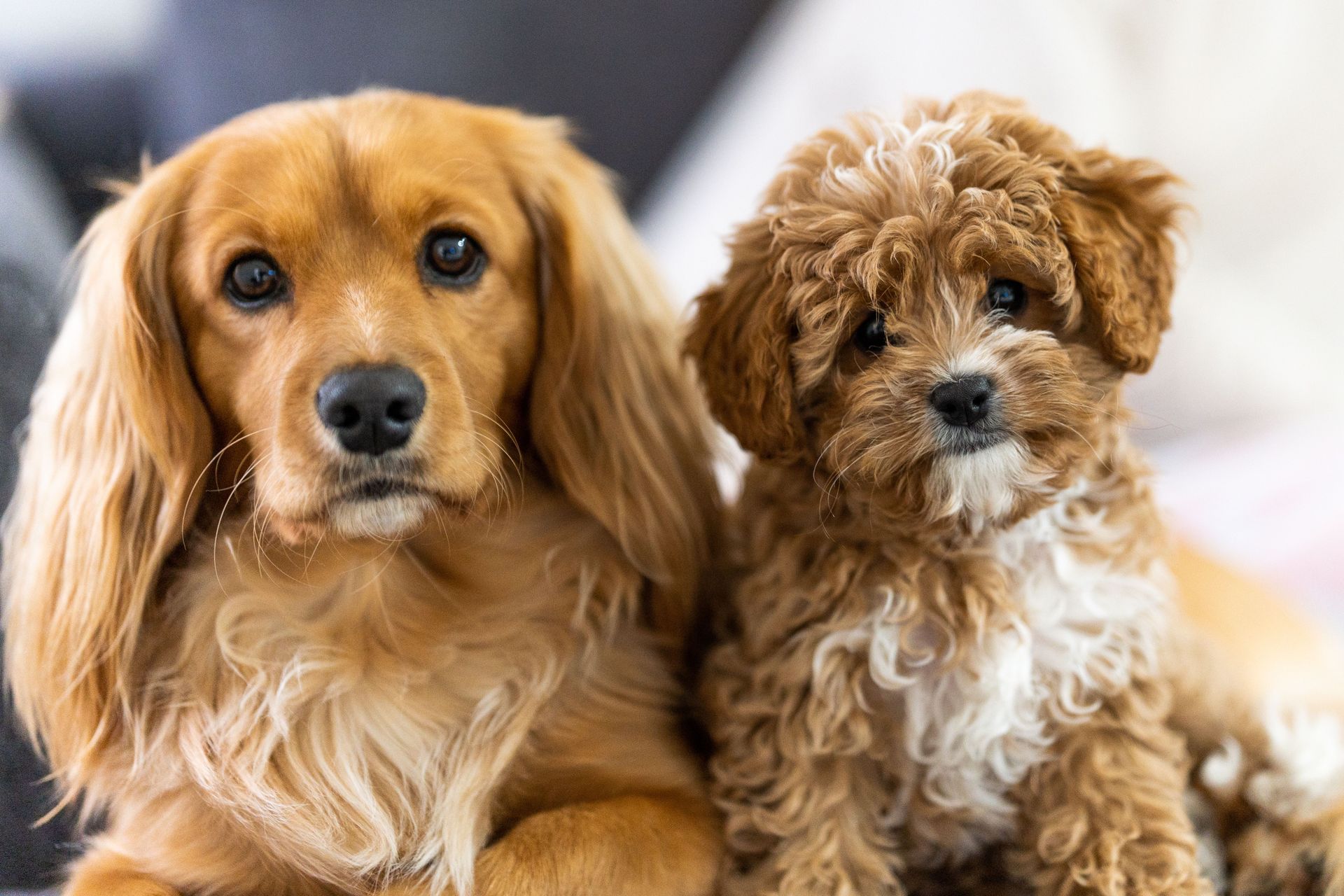
There are also dogs that have been bred together such as the cockapoo – a cocker spaniel and poodle. You will want to think about the different breed traits that can occur when these dogs are mixed together. The Polite Pup Club gives guidance on different breeds and easy games to channel their breed specific traits.

by Lisa Sinnott 21 April 2026
Having a dog who shows reactive behaviour can leave you feeling tired, on edge and emotionally exhausting experience at times. It is really important to look after yourself. I hope these ideas help you.
by Lisa Sinnott 18 April 2026
Helping dogs who are nervous of sounds It can be really tricky and feel hard when your dog is feeling nervous of sounds that you do not have control over. They may freeze, startle, growl, try to flee, shake, drool or more. Here are some considerations if your dog is nervous of sounds. As well as the noise, there is the physical vibration too.
by Lisa Sinnott 15 April 2026
Have you ever wondered that even if scared why a dog will run towards something? If a dog is barking and lunging at something that they are scared of then surely they would avoid it... right? This isn't always the case!
by Lisa Sinnott 6 April 2026
Why Emotional Wellbeing Matters at the Vet When it comes to veterinary care, the focus is often on physical health—but a pet’s emotional experiences important If stress and fear are overlooked, it can shape how an animal feels about vet visits in the future. Negative experiences may lead to increased anxiety, defensive behaviour, or even the need for sedation during routine examinations. By considering how our pets feel, we can help create calmer, safer, and more positive veterinary visits. Chat to your vets about how they can support your dog.
by Lisa Sinnott 1 April 2026
Dog play what’s okay? You may have heard that you can be over zealous and you should leave dogs to work it out themselves but this is poor advice. Sometimes play can turn into something else so it’s important to be mindful of play signals. When a dog goes rushing over to another head on it can feel threatening – even if the intention is play. It can be hard to assess intention as the dog is likely to be moving very fast.
by Lisa Sinnott 4 March 2026
I know of many family members who have small children and dog and they live in harmony.
by Lisa Sinnott 30 January 2026
Some dogs do it for hormonal reasons others due to behavioural. Reasons behind humping can include hormones, anxiety, tension attention seeking, frustration, eliciting play or displacement behaviour when stressed. Filling out the diary can help pinpoint more triggers and look at what is happening.
by Lisa Sinnott 30 January 2026
Children and Dogs: A Guide to Safe and Happy Relationships Having a dog in your family is exciting and fun, but it’s important to teach children how to interact safely and kindly with their furry friend. Puppies and young dogs are still learning, and we need to help them grow into happy, well-behaved companions.
by Lisa Sinnott 30 January 2026
Understanding Pica in Dogs: Why They Eat Non-Food Items
by Lisa Sinnott 29 January 2026
Sound sensitivities can be distressing for us to watch.