Top tips on toilet training your puppy and avoiding wet socks
Toilet training your puppy
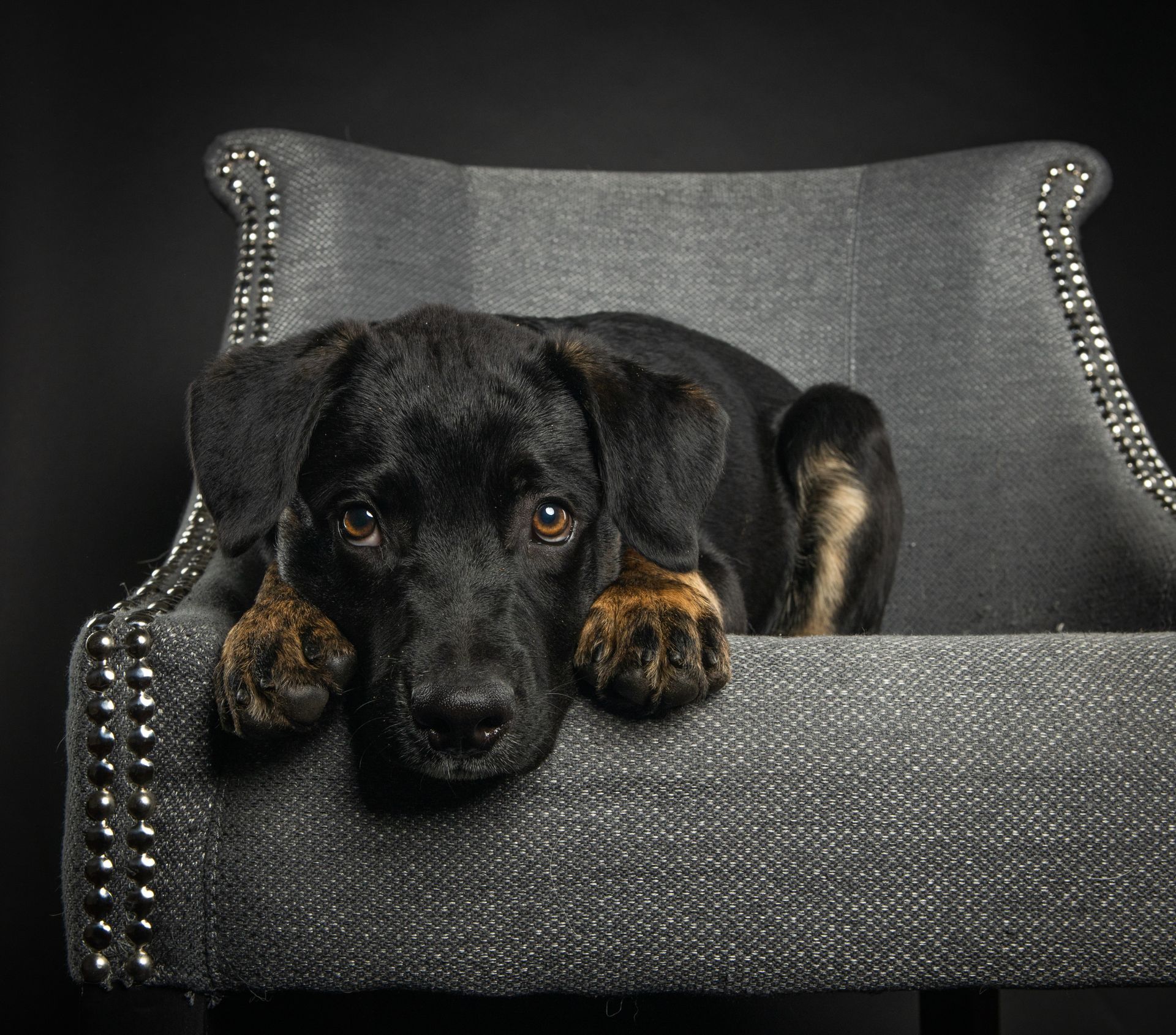
Physiologically, puppies have very small bladders they cannot hold in their pee for too long. They will need to go to the bathroom regularly to prevent them from going to the bathroom indoors. Please note this blog relates to basic toilet training and not to separation related challenges that can lead a puppy to defecate/urinate inside - if you are concerned about this speak to your vet and a FAB Clinicians behaviourist.
Setting your puppy up for success with their toilet training
Set timers to remind you that they need to go out. It’s easy to miss that toilet break.
Have treats ready to reward your puppy after they have gone in the right place. Don’t reward them during as they may stop mid pee!
Utilise baby gates so your puppy cannot head off and go in the wrong place.
When will puppies need to go to the bathroom?
As a rule they will need to go after:
Waking up
Before bed
When a visitor arrives
After a plays session
After eating
Generally they will need to go every 40 mins.
A note on puppy training pads
While they may seem helpful for us, toilet pads can mean it takes longer to toilet train your puppy. A lot of puppies get used to the sensation beneath their paws, and then find it harder to go on wet grass. For those of you who have been to festival toilets you may find yourself in a similar experience!
If your puppy has an accident
If a puppy has an accident there is no point in telling them off. They won’t know why you are telling them off leading to confusion. They may start hiding where they go to the bathroom too as they are scared. It’s best to just clear it up and set your timer so you don’t miss it next time. They do not do anything to spite us, or upset us. Guilt is a subjective experience and there is no evidence that suggests they have this intention.
Coprophagia
Some puppies will eat their own poo.. it’s important to clear it up so they don’t practice the behaviour and mention to your vet.