Reactivity and Aggression
What is reactivity/aggression?
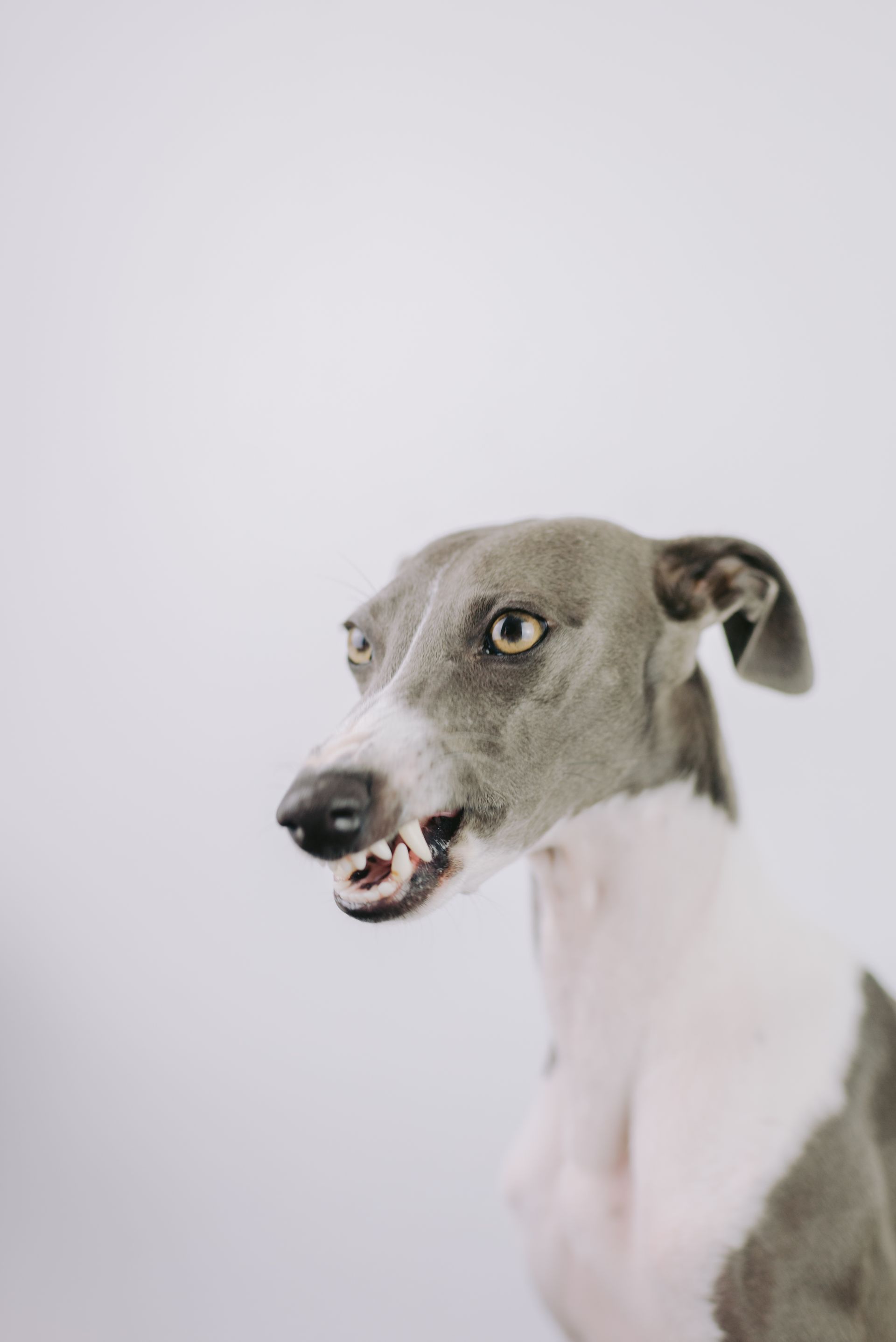
Aggression is a response that any dog is capable of. Aggressive behaviour exists to have some effect on what a dog is experiencing in a given moment. If an aggressive /reactive display results in the trigger (which could be a dog, person), to move away and retreat and that is what the dog is looking for/needs then they are likely to repeat this behaviour as it works. If you feel scared, it feels very reinforcing to feel safe and if aggression helps you feel safe you’re likely to opt for that behaviour. Think about what the functional reinforcer is for your dog’s behaviour i.e what do they get for behaving in this way and what are they trying to achieve? Have you ever said “leave me alone” and your partner stopped what they were doing? Then this behaviour worked. Our dogs can’t speak to us but as Sarah Heath says, we can learn to listen with our eyes.
Sometimes aggression and reactivity can occur because of pain or fear of pain (anticipating pain) so it's always important to go to the vet to rule out anything overtly medical.
What signs can I look for that suggest my dog is uncomfortable.
Please note that some dogs may skip some of these steps if they are particularly scared or if previous body language signs have been egnored or punished.
Signs of discomfort can include lip licking, yawning, moving away.
More higher level signs can include laying down with their leg up (I know this one can be surprising!), tucking their tail under their body, showing the white’s of their eyes.
Then finally a dog can start to growl, snap or bite.
Looking out for, making a note of when they occur and respecting the signs of discomfort is an amazing way to advocate for your dog and take steps to help them feel safer.
What areas can I avoid if my dog reacts?
Avoid very narrow spaces and alley ways because if you have a dog coming towards you it is very hard to move away from them. A dog can feel threatened and trapped because they are likely to be on a lead (a physical barrier) and they cannot move away from a dog coming near them. Sometimes a dog can engage in redirected aggression and react towards something that is closer to him than the intended target - this can sometimes result in bites on the leg. If a dog’s choice to move away is prevented then this is when aggressive behaviour can occur. Look at if the reactivity occurs on lead or not.
A note on tail wagging
A wagging tail doesn’t always mean a happy dog. It depends on the intensity of the wag and the position of the wag too. A wag that is fast and high, often in combination with hard stares or raised hackles (fur on the back of the body that is raised) can be a sign a dog is feeling uncomfortable.