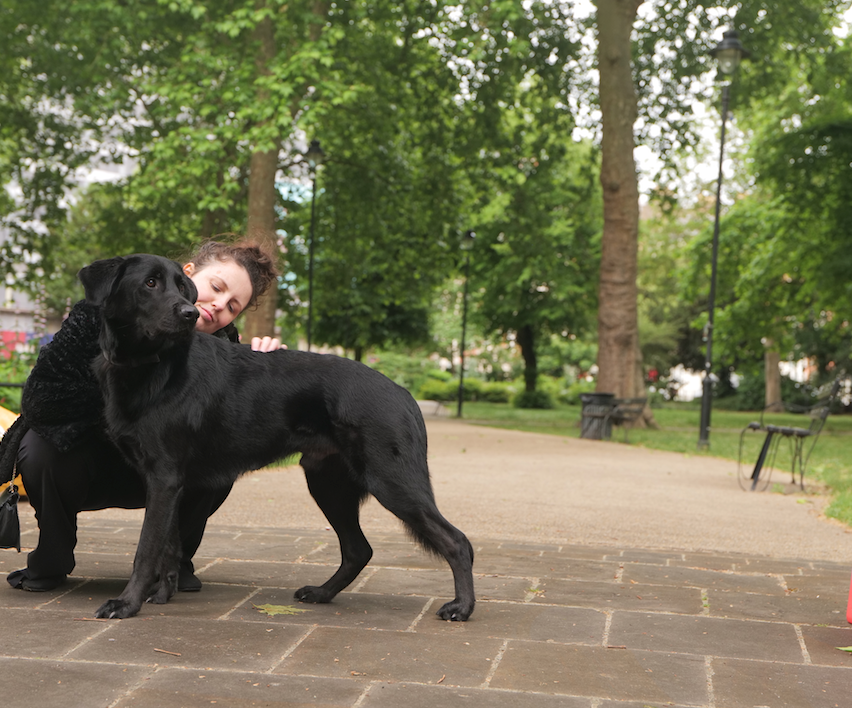
My dog is doing a runner when I take out their equipment.. why?

13 September 2024

My dog is doing a runner when I get their walking equipment out – why?
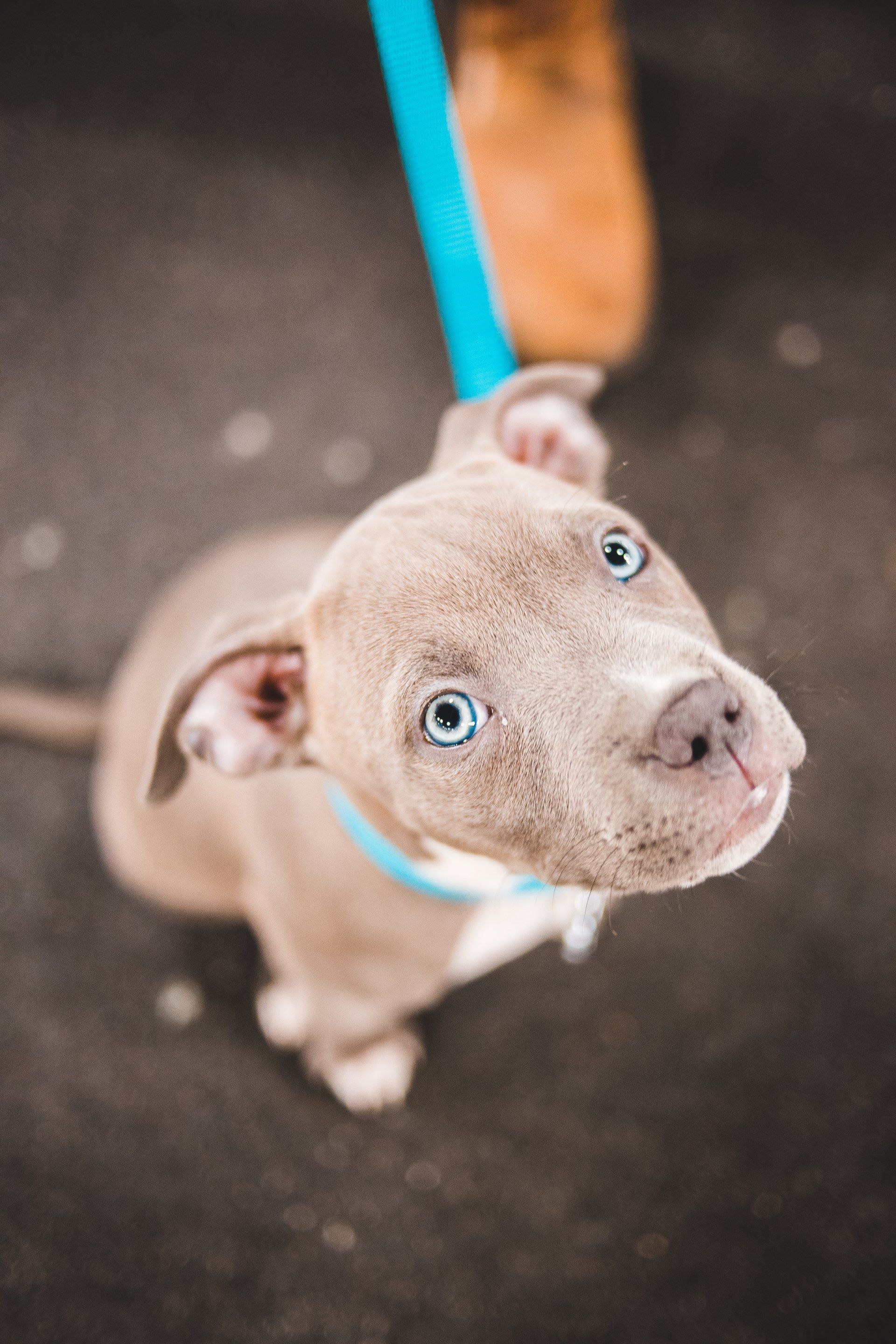
 

It can be confusing when a dog runs off when you take out their walking equipment! Here are some considerations..


Harnesses


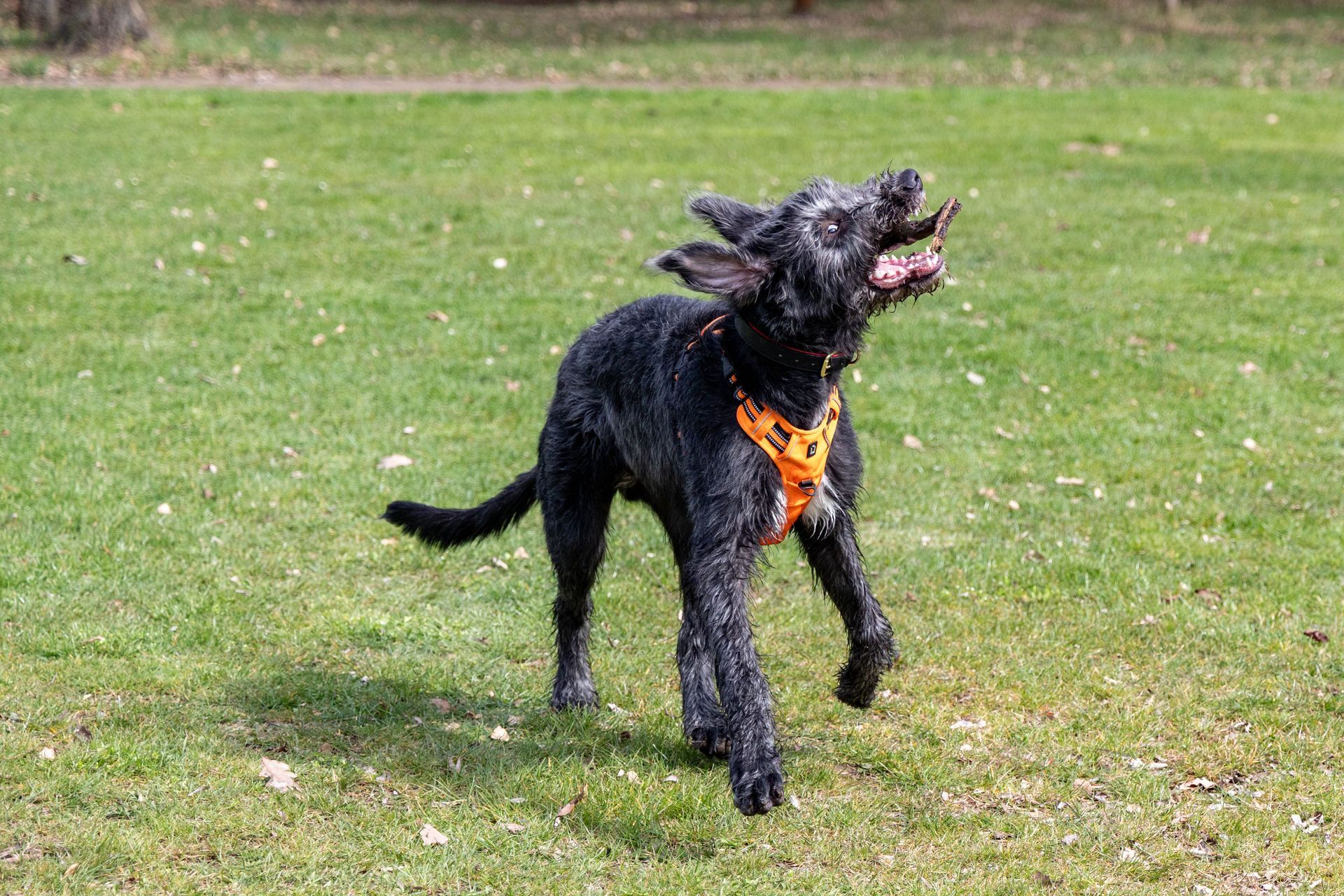
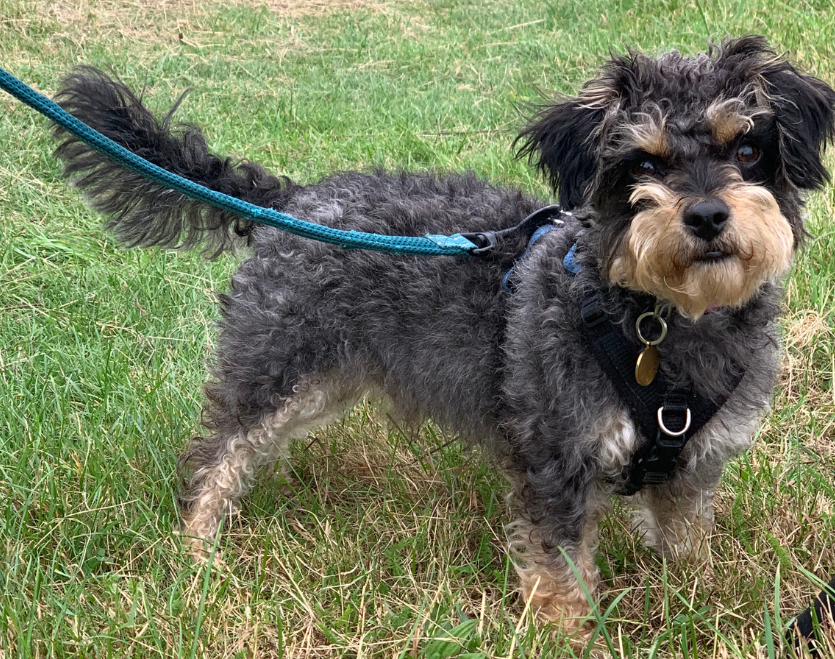
Sometimes for some dogs, a harness that goes over their head (and ears – which can be a bit painful if they have big pointy ears), can be a trigger and involve a dog running to hide. Thinking about the shape of the harness in relation to your dogs body (do they have a deep rib cage) and weight (is it too clunky or nice and lightweight) and if it can easily be escaped from is really important.

Sometimes the clip of the harness or collar or lead can be aversive to some dogs – it can startle them (it’s close to their ears). Dogs  have very sensitive hearing and dogs with floppy ears can be more prone to ear infections, so that is a consideration. You wouldn’t start desensitisation to noise until pain was under control.


Some dogs again, don't like the sensation of something around their neck and can run when you bring out the collar and lead.


Possible pain


Dogs can be masters at hiding pain. They will still often hop skip and jump, they can enjoy going on walks but still be in pain. As it’s pain awareness month this month, think about taking a video of your dog and slowing it down so you can spot anything that seems unusual and speak to your vet.

Gait challenges may be indicated by:


·      Back legs turned out when sitting.

·      Stopping on walks (this could be due to pain/ an aversion to a location where something scary has happened and when a dog goes into freeze mode - not stubbornness!)

·      Bunny hopping

·      Lameness

·      A reluctance to sit


Equally, if your dog is avoiding the towel and being rubbed down, again lifting their paws and legs may be due to underlying pain, as there weight is being shifted and they are potentially over compensating on one limb.


Changing the association


Some dogs have not been introduced to the collar and harness in small steps and find the experience a bit overwhelming.


Outside


On the way to a walk are there/have there been builders or something that could potentially have scared your dog?

by Lisa Sinnott 7 July 2026
This is when a dog ingests non - food items such as rocks, stones, dirt, fabric.
by Lisa Sinnott 24 June 2026
A dog barking at night can feel frustrating and annoying – you know they need sleep and you need it too.
by Lisa Sinnott 15 June 2026
Here is some information about aggression.
by Lisa Sinnott 12 June 2026
If your dog barks, lunges, growls, or becomes overwhelmed around other dogs, people, or situations, you're not alone. Reactivity is one of the most common challenges dog owners face, and understanding why it happens is the first step towards helping your dog feel calmer and more confident.
by Lisa Sinnott 3 June 2026
Initia l meetings are like first impressions.= they count. Make sure the interaction is away from the house and in a neutral space. When they initially see each other have a treat ready to give but allow them to just watch each other too. Having toys on the floor (if your older dog does not guard can help take the social pressure off. Walking parallel with each other with both dogs on lead can help reduce frustration. If they engage in play, it should be mirrored and matched - always avoid any teeth on body parts. Coming home Dogs shouldn't be right next to each other on the way home. Just like we like personal space on a tube dogs's want this too! Here are some ideas that I got from Canine Arthritis Management for older dogs: If there is a back seat cover for mud an anti not slippy cover is important. Bolsters and cushions can help prevent moving around Harnesses to keep still when you go around any roundabouts can help too. Ramps and steps to get out of the car to prevent lots of pressure on joints ie caravan steps can help too At home Having a safe space for your older dog that your puppy cannot access is key. Feeding times can be over exciting. Just like, us all, older dogs need some tlc. Here are some home adaptations that can help:
by Lisa Sinnott 18 May 2026
Often people describe resource guarding and possessiveness over items when a dog has snapped or bitten.
by Lisa Sinnott 14 May 2026
When we live with an anxious dog, it is natural to want to reassure them.
by Lisa Sinnott 7 May 2026
There can be many great reasons to muzzle train every dog , just in case they ever needed it. These include: 🐾Accidents and emergencies – if a dog is in pain they can be unpredictable sore and aggressive in an attempt to protect themselves. Placing a muzzle on them without any training before hand can stress them out even more and could mean treatment is delayed. This can happen with ANY dog even if they have never shown aggressive behaviour before. 🐾Summer – As you may have seen in the news, very sadly a dog attended a tulip festival and after eating some passed away. More people will be having picnics due to the lovely weather and we don’t want a stressful and expensive vet trip if your dog eats something. 🐾A change in behaviour – a muzzle keeps your dog, people and other dogs safe. 🐾Travel – Many ferries and countries have rules that dog’s must wear muzzles. There is also a good website here , that takes you through steps. I am going to host a muzzle training workshop - you can find out more here. Adapted from the Muzzle Up Movement.
by Lisa Sinnott 21 April 2026
Having a dog who shows reactive behaviour can leave you feeling tired, on edge and emotionally exhausting experience at times. It is really important to look after yourself. I hope these ideas help you.
by Lisa Sinnott 18 April 2026
Helping dogs who are nervous of sounds It can be really tricky and feel hard when your dog is feeling nervous of sounds that you do not have control over. They may freeze, startle, growl, try to flee, shake, drool or more. Here are some considerations if your dog is nervous of sounds. As well as the noise, there is the physical vibration too.