A puppy’s mum's life experiences can have an effect on a puppies temperament
A puppy’s mum's life experiences can have an effect on a puppies temperament

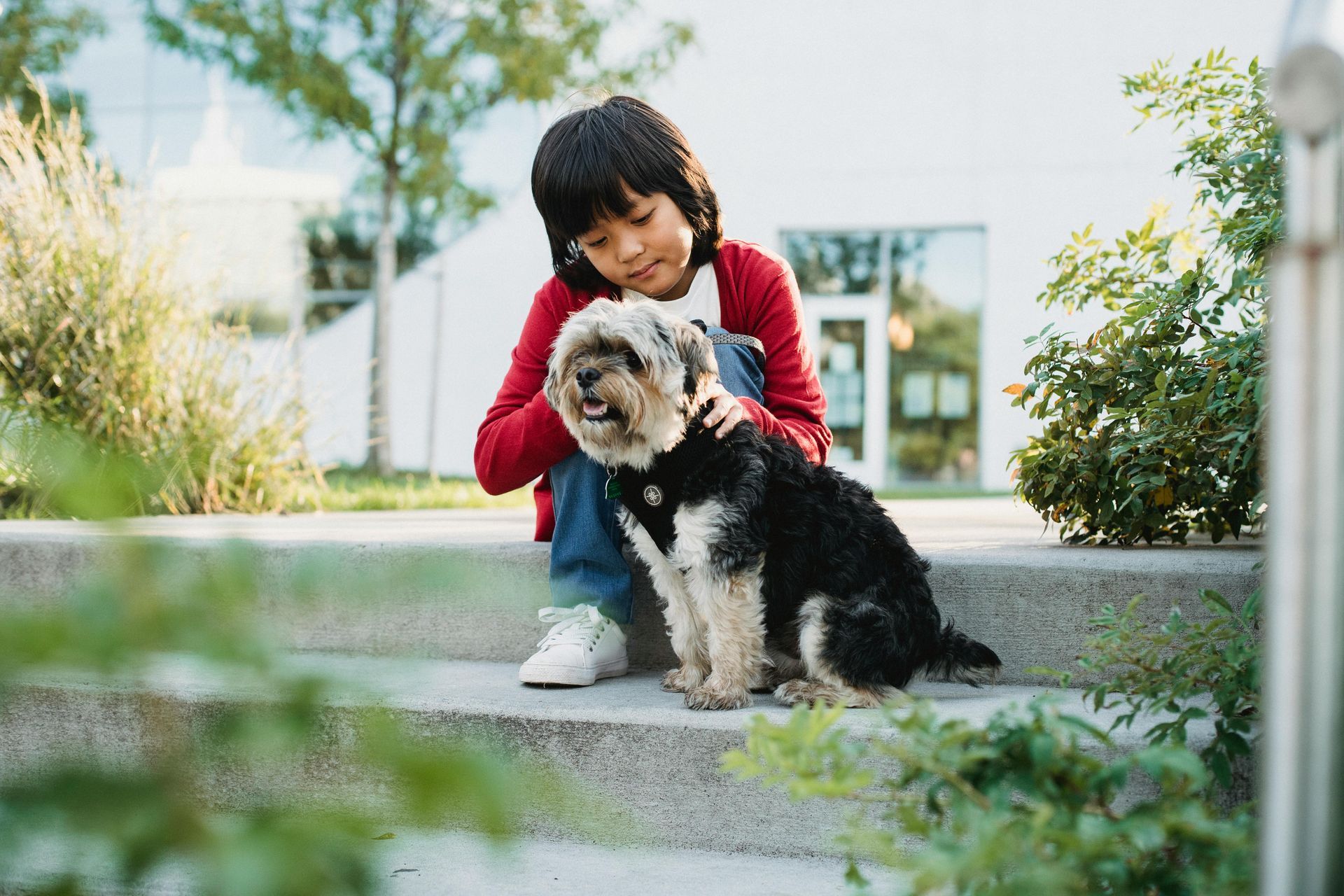
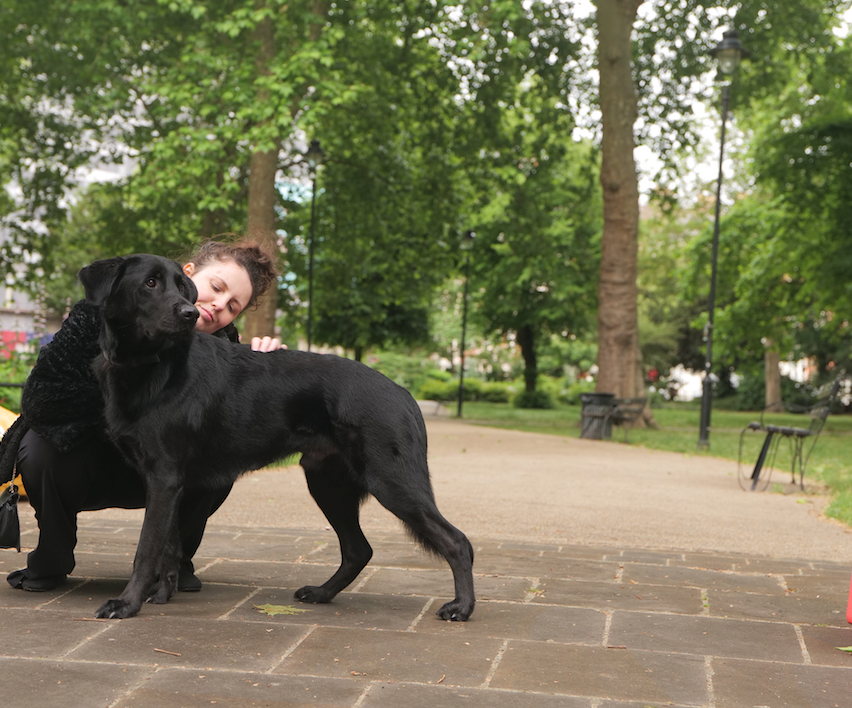
I once was walking a reactive dog. He was very cute and had big minstrel eyes and big ears to match. He had a lead sleeve that was bright yellow that said space needed, despite this a man went down to pet him. “Don’t I said, he’s nervous”, the man looked very annoyed with me and said “did you make him this way?” and huffed off. Not all dogs like being petted. I mean imagine having a big stranger coming to touch your head (that may be sore) or imagine if you’ve had a bad experience with someone who looked like that person, maybe they’ve hit you – you’re likely to try and run away or react. The dog was on the lead so it would have been hard for him to move away therefore offence is the best defence. Although as humans we love to touch and pet and are very tactile – not all dogs want this. They may be in pain, not socialised to humans, or nervous. Blaming the owner for a dogs behaviour isn’t fair. A dog can be a product of their genes and environment and early life experiences can have a huge impact on their temperament and behaviour.
In the womb
A mother (dam) who is in a stressful, noisy and barren environment such as a puppy farm can be extremely stressed. This stress can be passed onto puppies in the womb (a term called epigenetic's).
Early life experiences for your puppy
A puppy is with a breeder for the first few weeks of their life. It is important that the puppy is having experiences being handled, with noises, different surfaces and sights too. Having experiences being gently handled by different people and seeing different items such as boxes, toys, blankets, paper bags and hats will help set them up for success.
If your puppy is in a sling and a big hand comes towards them they have nowhere to move to. This can be scary for them. We want them to associate hands with positive experiences. It’s important that a puppy can move away from things and investigate them.
Socialising and habituating your puppy
The critical socialisation period is thought to be 3-12 weeks. There is guidance on my blog.
Too much stress is thought to hinder a dog’s ability to learn. Stress can also cause shrinking of the hippocampus which is responsible for memory formation and learning. If a puppy is stressed they will find it hard or even impossible to learn. However small amounts of stress and experiences are important too so the puppy can be more emotionally resilient.
Body language
Being aware of how your dog is feeling in a given situation is one of the greatest gifts you can give them.
Respecting signs that they want space and noting to work on this is key. Signs such as lip licking, moving away and hiding behind suggest the puppy would like some space.
References
Inspired by an article in Sarah Whitehead's Inner circle.
Dr. Carmelo l. battaglia using early experiences, nutrition and the maternal influence to develop puppies and gain a training advantage
Sundman A-S, Pértille F, Lehmann Coutinho L, Jazin E, Guerrero-Bosagna C, Jensen P (2020) DNA methylation in canine brains is related to domestication and dog-breed formation. PLoS ONE 15(10): e0240787. https://doi.org/10.1371/journal.pone.0240787