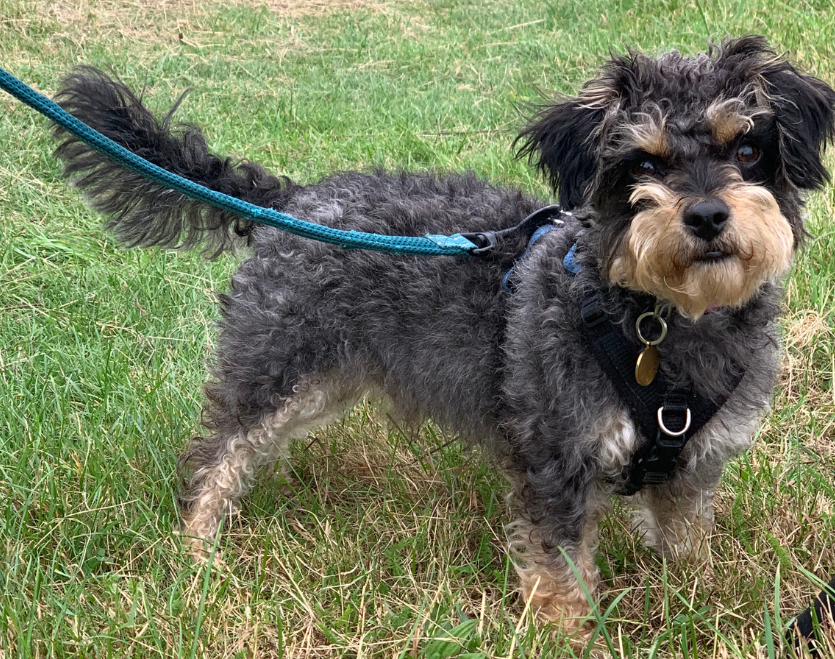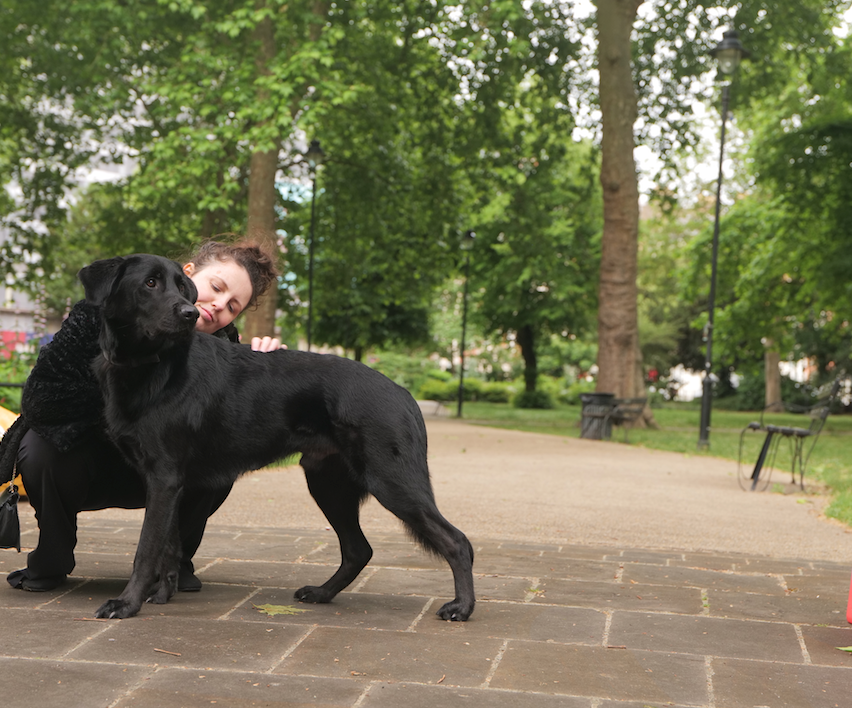
Does a wagging tail always mean a happy dog?
It can be easy to assume that a wagging tail means a happy dog but just like times you have smiled to diffuse tension and not smiled through happiness, tails can tell us a tale! A wagging tail does not mean a dog is always happy. There are some considerations that I will run through now:
The purpose of a tail
A tail and it’s movement can be important in social interactions – with other dogs and with us mere mortals too!
The intensity of the wag
A wagging tail can occur in a number of emotional states including happiness, anxiety, confidence, and aggressiveness (Serpell, 1995).
High tail wags that move very fast as if it was a ticking clock that had stopped can be a sign of a dog who is reactive or confident in a situation.
If a tail is tucked underneath a dog’s body this can be a sign that they are feeling insecure. In the same way that we may fold our arms if we feel insecure about a situation.
If a tail is moving round and round like a windmill then this is a sign a dog is very happy. You may see this when a dog is let off the lead!
On lead interactions
Some dogs can feel threatened on the lead as they are trapped. They cannot move away so observing their body language is important. Especially if this is down a narrow space where they have no where to go!
Breed considerations
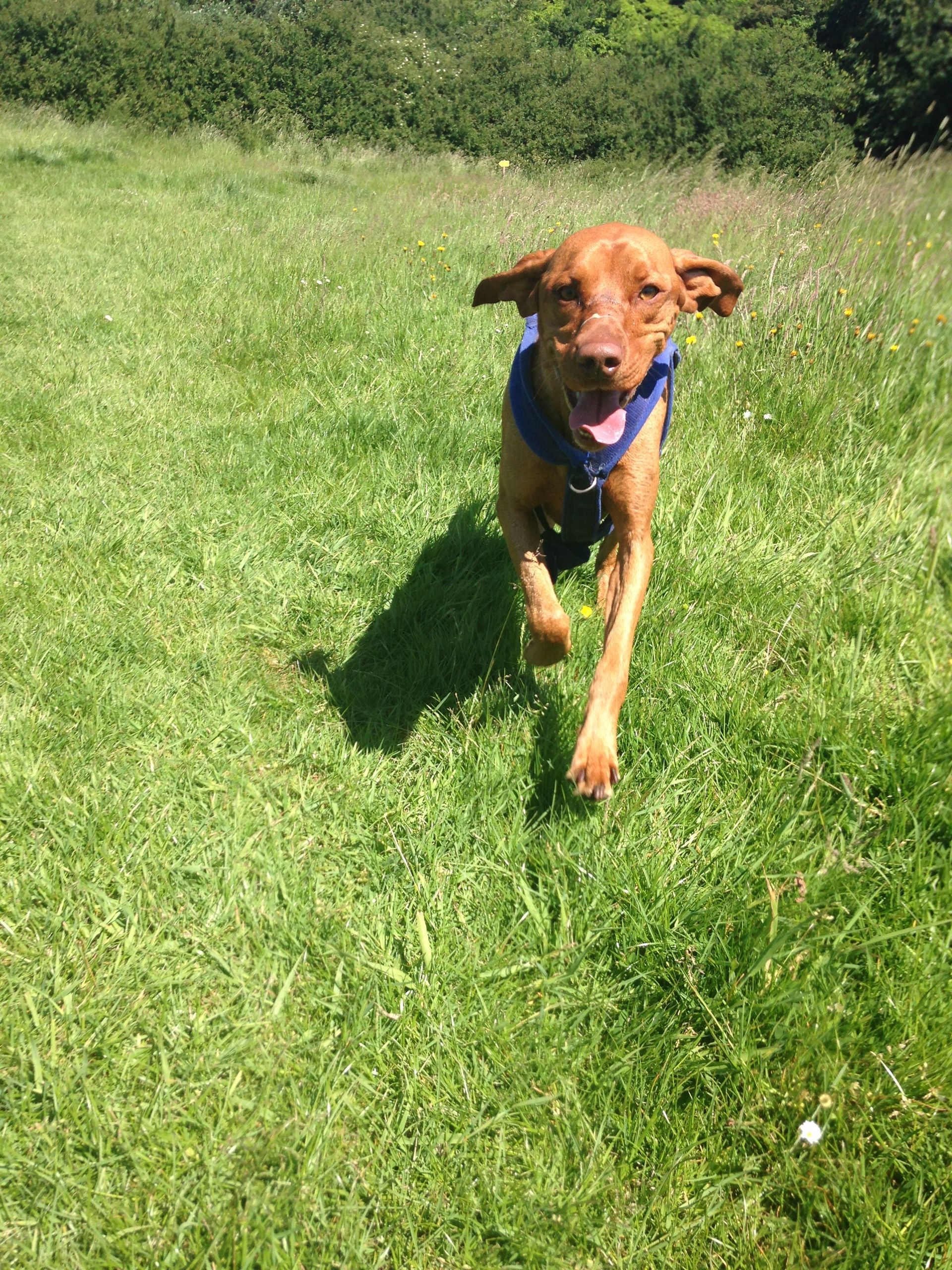
Some dogs cannot ‘wag’ their tail very easily. A pug or French bull dog have very short and curly tails and therefore cannot wag their tail in the same way as say a Hungarian Vizsla can.
Right or left wags
A study by Wei and colleagues found that dogs wagged their tails more to the right when they were around a familiar person. Dogs who were around an unfamiliar person wagged more to the left.
Stress thresholds
A dog can show different thresholds depending on the environment they are in and the triggers around them. This traffic light system provides a good indicator of green, yellow and red signs that a dog may feel stressed and overwhelmed.
Stress stacking
Just like us, if a stressful amount of experiences happen in quick succession these experiences can add up. Stress gets dumped in the body and can take it’s toll. A dog may react in a way that it would not normally if those things had not have happened previously. Decompression is key so lots of sniffing activities and not overloading the stress bucket so it overflows is imperative.
References
Ren, W., Wei, P., Yu, S., & Zhang, Y. Q. (2022). Left-right asymmetry and attractor-like dynamics of dog's tail wagging during dog-human interactions. iScience, 25(8), 104747. https://doi.org/10.1016/j.isci.2022.104747
Serpell, J. ed., 2017. The domestic dog. Cambridge University Press.