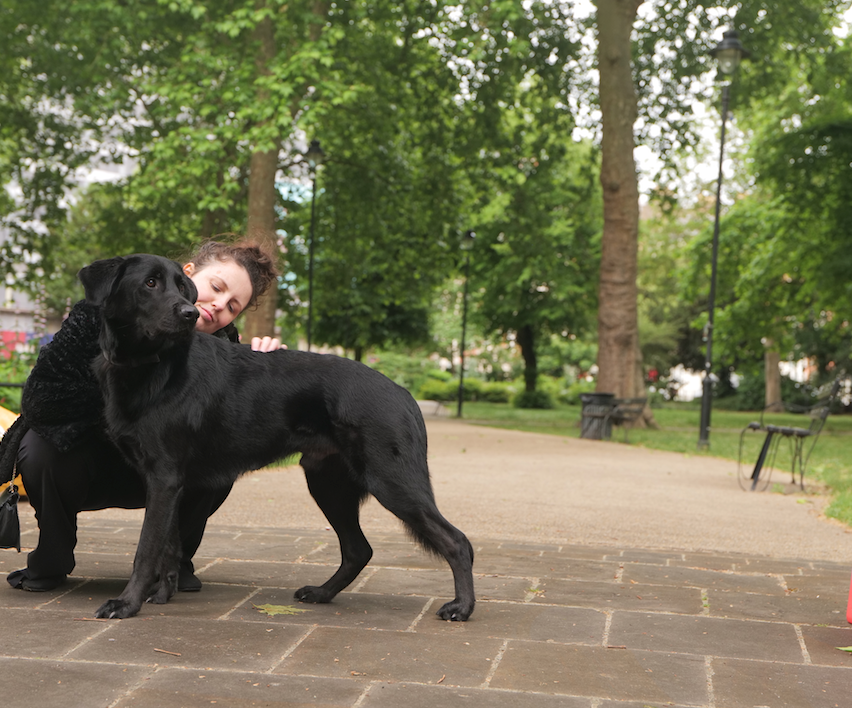
How to train your dog to come back when you call them
Please come back! Have you ever stood exasperated, leash in hand, while you see your dogs little white backside running off into the distance? It can be upsetting and stressful and downright dangerous when your dog doesn’t come back when you call them. Here are some tips – only use if they are right for your dog .
Why do dogs run off?
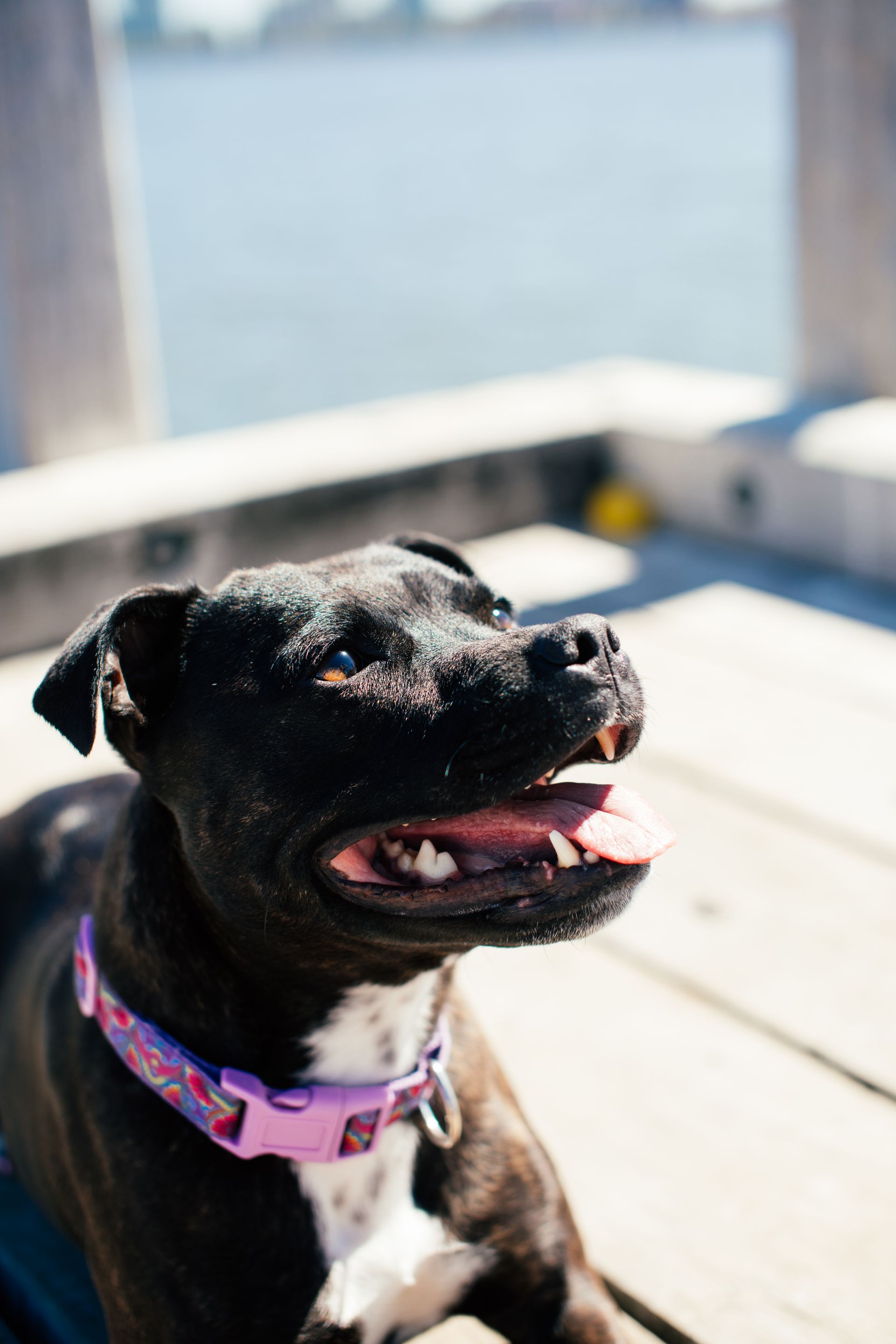
A dog can run off because a recall word hasn’t been established with something rewarding.
They can find other things in the environment more exciting.
We may have overused the recall word without reinforcing it enough.
What to do
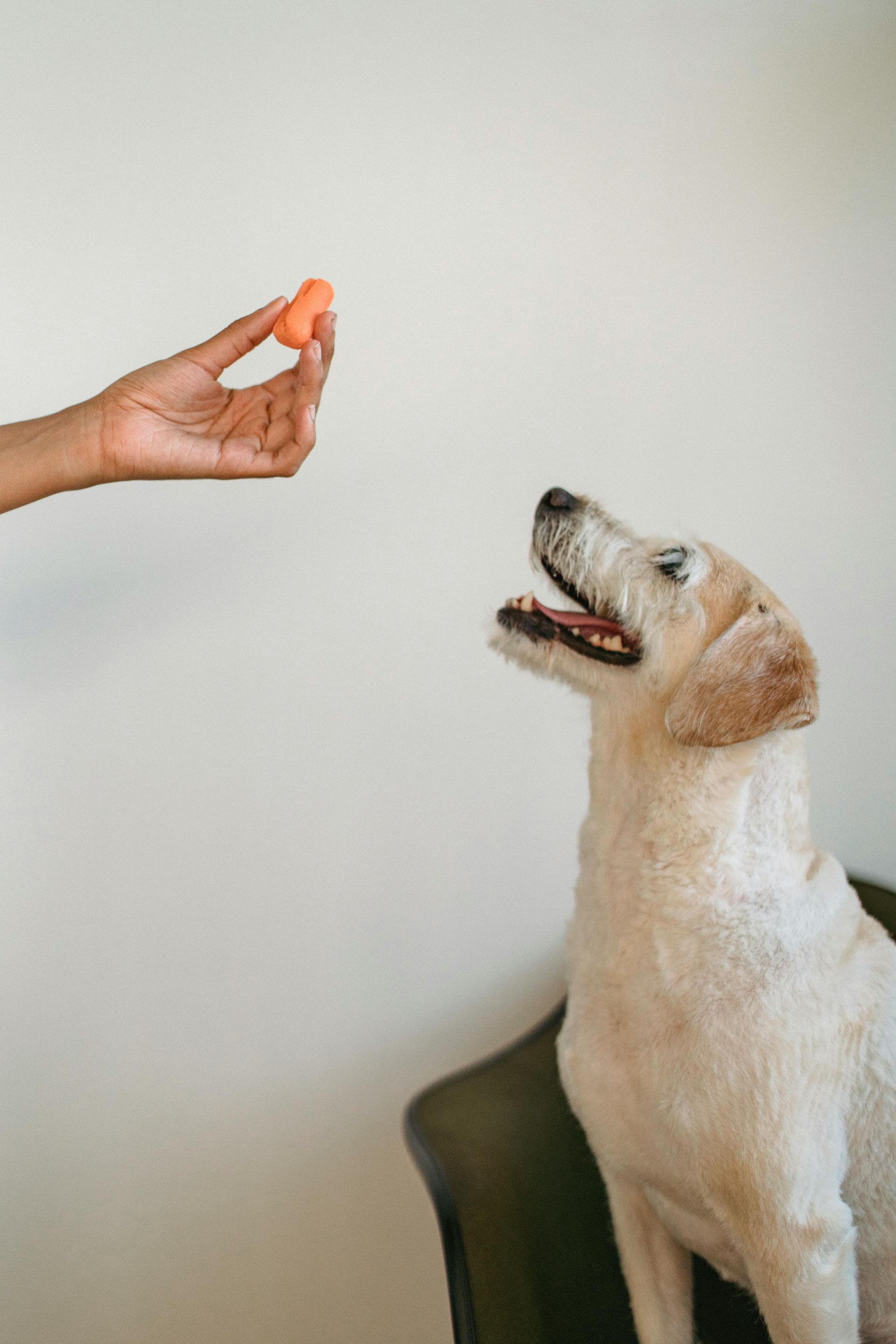
Establish as solid recall word with your dog. Calling “Darcie, Darcie” isn’t enough. Think of the amount of times you say your dogs name a day, make sure you create a recall word that has been associated with coming to you. This could be “come” or “here” then pair this word with a tasty treat. Then throw a treat out and then say your recall word and see if your dog comes back. Keep repeating this. Then practice in different environments too (using a lead for safety).
Top tips
Reward your dog for just coming to you (even when you don’t ask them).
Use high value rewards. What does your dog love? Play or treats?
Incorporate games into your training.
What to avoid
Don’t tell your dog off for wandering off and coming back to you. They will be completely confused as to why you’re telling them off.
Remember that chasing something such as a squirrel is very enticing and rewarding to a dog - it can become a habit and is self reinforcing.
Proofing
Proofing is in the pudding! It’s important to proof recall in different environments and use equipment to keep your dog safe while you are practicing such as a long lead.
Books I recommend
There is a great book by Pippa Mattison called Total Recall.
If you would like support in training your dog to come back when you call them and enjoy stress free walks why not join one of my classes or reach out for one to one support.