Why should we be concerned about our pets nervous system?

17 April 2025

What is a nervous system?

What is a nervous system?
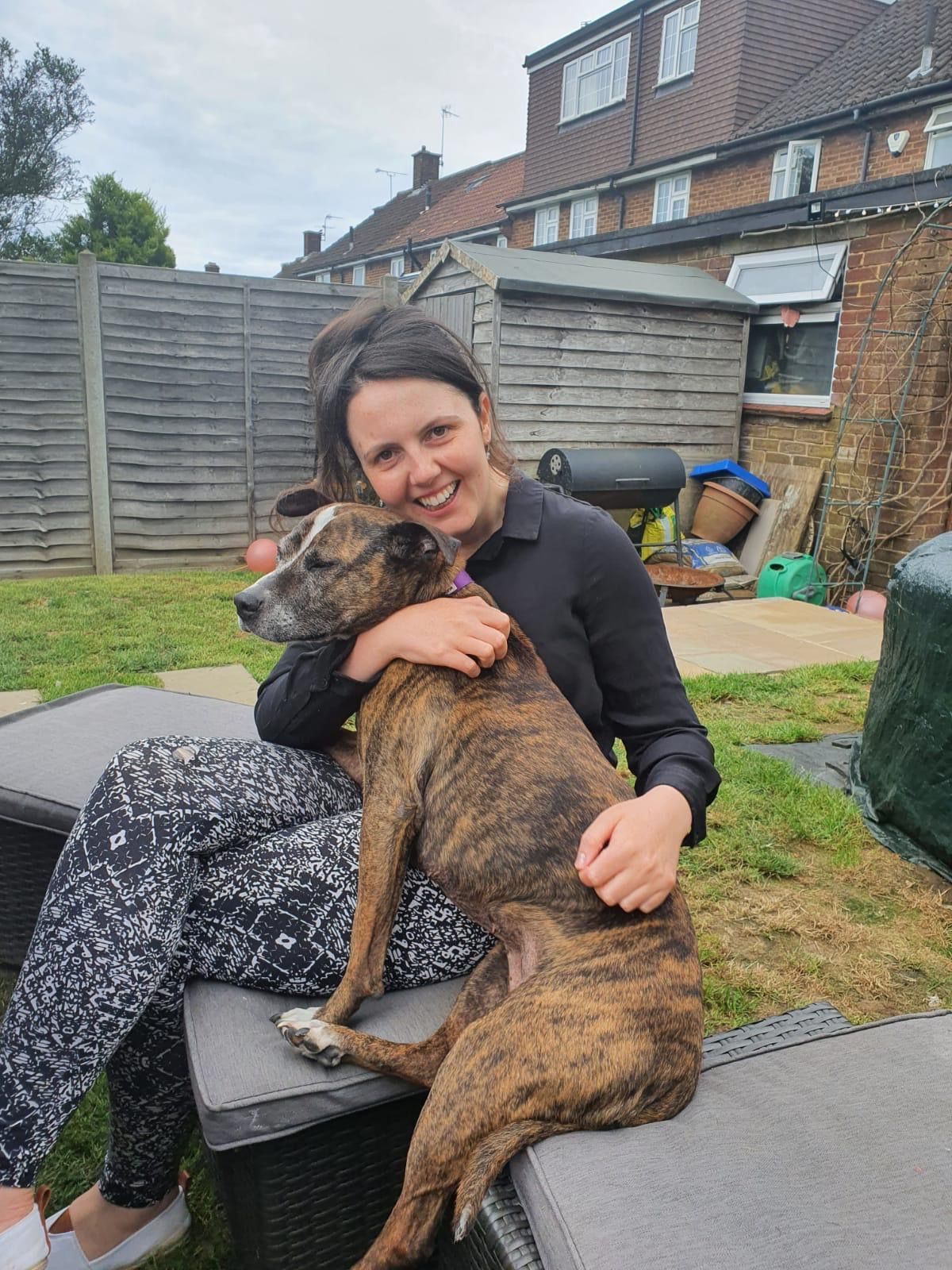

It’s responsible for receiving and processing information inside and outside the body.


A dogs ability to cope and current nervous system status can depend on a variety of factors such as prior learning experience, genetics, overall resilience and current or undiagnosed pain.


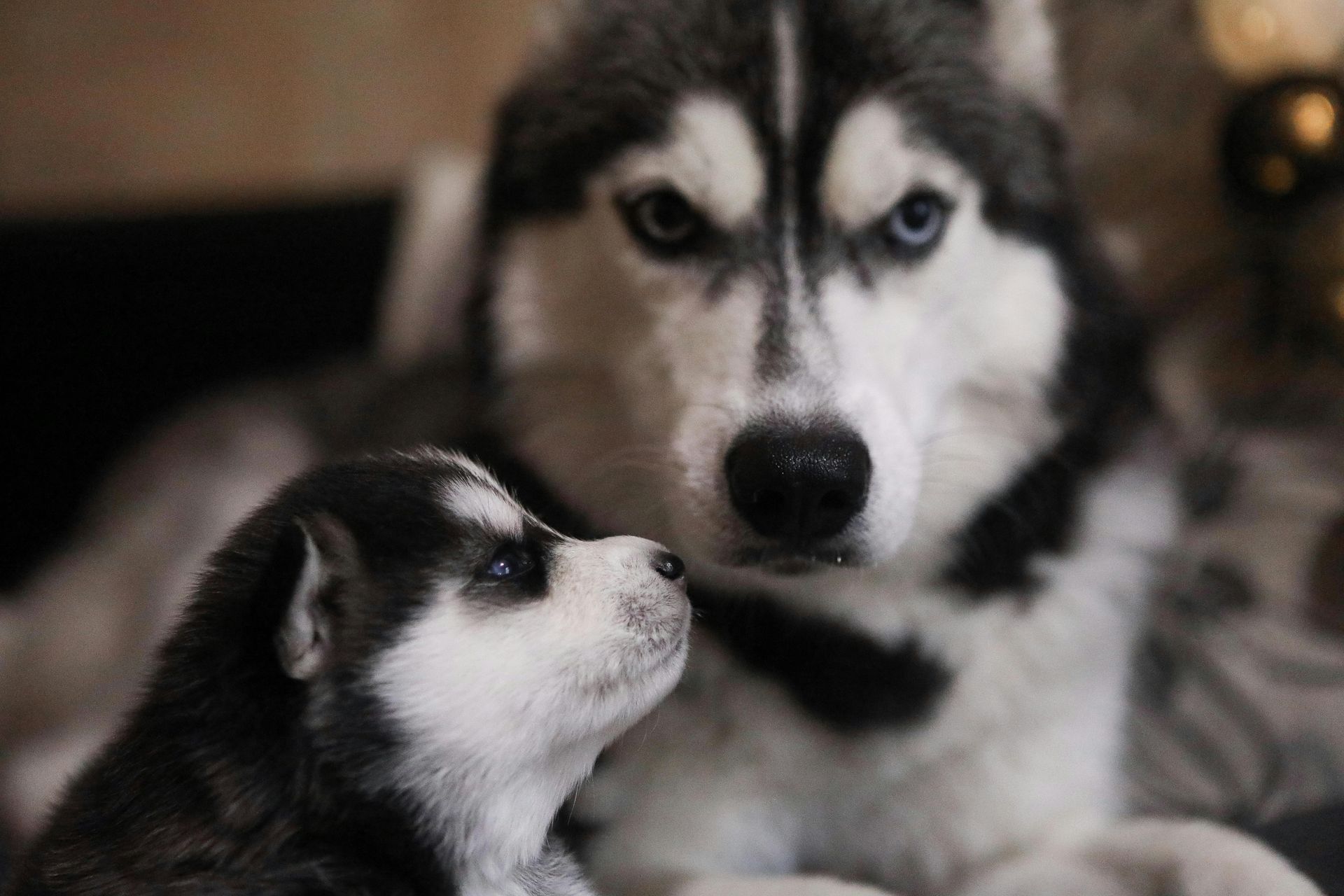
A dog may show reactive behaviours towards another dog that look like barking and lunging.


The red zone


A dog may be going into the red zone when they show signs such as hackles raised, freezing, stopping and not taking treats. You may also hear a growl.


Are we making a ‘rod for our own backs’ if we don’t punish this behaviour?


I hear this one quite a lot. While I understand that we need to feel in control and that behaviour must be responded to, shouting or other methods can make the behaviour worse. It does not tell the dog what to do instead. Also, it doesn’t get to the root cause of the behaviour – and look at the environment the dog is in and what is causing this behaviour to start, so it will pop up elsewhere or in a different way. I always think of the nail pot that girls in school used to buy to put their nails in to prevent them from biting them.. it made them taste horrible with the idea this would prevent them from biting their nails. Fine in theory, some may argue, but if they are biting nails because of anxiety reasons that anxiety isn’t going to magically disappear and a new behaviour could take it’s place.


What does the green zone look like?


This can look like behaviours such as sniffing, engaging with the environment, relaxed tails and ears, loose body posture and mouth open.


How can we ensure needs are met – what are a dog’s needs to begin with?


Our pet dogs are often so very lucky. They have food, shelter a comfy bed and walks. When thinking about a dogs needs, thinking about ethology can be helpful. If we think of street dogs, they spend a large portion of their day asleep. The recommended sleeping amount is 16 hours plus for dogs but there are many things that may interfere with sleep – the postman, the cleaner or gardener arriving, knocks at the door, cats and wildlife outside tempting them, people walking past the house. Over tiredness can affect dogs behaviour detrimentally. Just like people dogs need opportunities to switch off. Just like us, if we are constantly on the phone, IPAD, or screen until late in the night we can become wired and find it harder to relax and sleep. Similarly, if dogs are not given an opportunity to rest and sleep, this can affect their behaviour.


Diet, before making any diet changes this is the vets realm. It’s important to discuss any nutrient needs. Take a look at your dog’s current diet – remember that Kettle Chips and Wotsits are both crisps but their ingredients vary massively.  The same can go with food. Animal derivatives and by - products are not pure meat and veg.


Chewing is relaxing and satisfying. Having ample chews to enjoy that are rotated is important for a dogs mental health.


Sniffing – the chance to amble and sniff is so important. High octane activities such as repetitive  ball throwing can be bad on joints and lead to a wired dog, which has surges of adrenalin.


There are more blogs and info  here.

by Lisa Sinnott 24 June 2026
A dog barking at night can feel frustrating and annoying – you know they need sleep and you need it too.
by Lisa Sinnott 15 June 2026
Here is some information about aggression.
by Lisa Sinnott 12 June 2026
If your dog barks, lunges, growls, or becomes overwhelmed around other dogs, people, or situations, you're not alone. Reactivity is one of the most common challenges dog owners face, and understanding why it happens is the first step towards helping your dog feel calmer and more confident.
by Lisa Sinnott 3 June 2026
Initia l meetings are like first impressions.= they count. Make sure the interaction is away from the house and in a neutral space. When they initially see each other have a treat ready to give but allow them to just watch each other too. Having toys on the floor (if your older dog does not guard can help take the social pressure off. Walking parallel with each other with both dogs on lead can help reduce frustration. If they engage in play, it should be mirrored and matched - always avoid any teeth on body parts. Coming home Dogs shouldn't be right next to each other on the way home. Just like we like personal space on a tube dogs's want this too! Here are some ideas that I got from Canine Arthritis Management for older dogs: If there is a back seat cover for mud an anti not slippy cover is important. Bolsters and cushions can help prevent moving around Harnesses to keep still when you go around any roundabouts can help too. Ramps and steps to get out of the car to prevent lots of pressure on joints ie caravan steps can help too At home Having a safe space for your older dog that your puppy cannot access is key. Feeding times can be over exciting. Just like, us all, older dogs need some tlc. Here are some home adaptations that can help:
by Lisa Sinnott 18 May 2026
Often people describe resource guarding and possessiveness over items when a dog has snapped or bitten.
by Lisa Sinnott 14 May 2026
When we live with an anxious dog, it is natural to want to reassure them.
by Lisa Sinnott 7 May 2026
There can be many great reasons to muzzle train every dog , just in case they ever needed it. These include: 🐾Accidents and emergencies – if a dog is in pain they can be unpredictable sore and aggressive in an attempt to protect themselves. Placing a muzzle on them without any training before hand can stress them out even more and could mean treatment is delayed. This can happen with ANY dog even if they have never shown aggressive behaviour before. 🐾Summer – As you may have seen in the news, very sadly a dog attended a tulip festival and after eating some passed away. More people will be having picnics due to the lovely weather and we don’t want a stressful and expensive vet trip if your dog eats something. 🐾A change in behaviour – a muzzle keeps your dog, people and other dogs safe. 🐾Travel – Many ferries and countries have rules that dog’s must wear muzzles. There is also a good website here , that takes you through steps. I am going to host a muzzle training workshop - you can find out more here. Adapted from the Muzzle Up Movement.
by Lisa Sinnott 21 April 2026
Having a dog who shows reactive behaviour can leave you feeling tired, on edge and emotionally exhausting experience at times. It is really important to look after yourself. I hope these ideas help you.
by Lisa Sinnott 18 April 2026
Helping dogs who are nervous of sounds It can be really tricky and feel hard when your dog is feeling nervous of sounds that you do not have control over. They may freeze, startle, growl, try to flee, shake, drool or more. Here are some considerations if your dog is nervous of sounds. As well as the noise, there is the physical vibration too.
by Lisa Sinnott 15 April 2026
Have you ever wondered that even if scared why a dog will run towards something? If a dog is barking and lunging at something that they are scared of then surely they would avoid it... right? This isn't always the case!